Why the CDC recommends everyone get a new COVID shot this fall
Vaccine experts considered narrower recommendations for only higher-risk groups, but decided almost all Americans could benefit.
Watch CBS News
Vaccine experts considered narrower recommendations for only higher-risk groups, but decided almost all Americans could benefit.
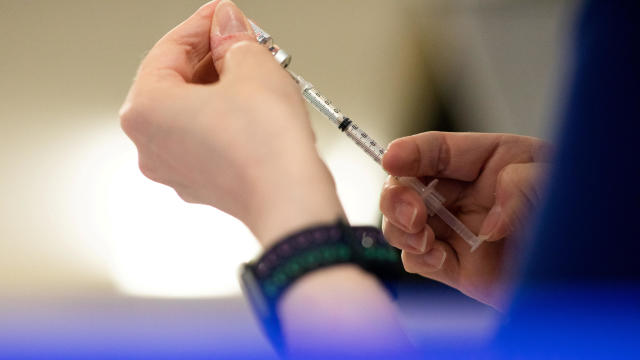
The new shots are similar to previously approved formulas but were updated to target strains of the virus descended from Omicron.
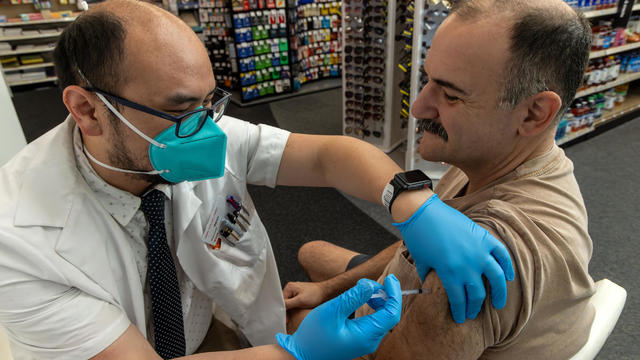
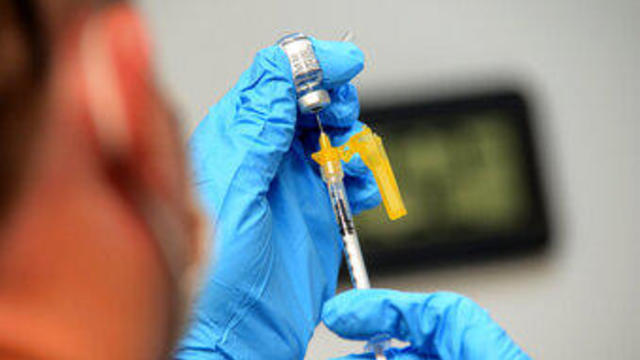
The new COVID-19 vaccines for fall 2023 started rolling out this week.
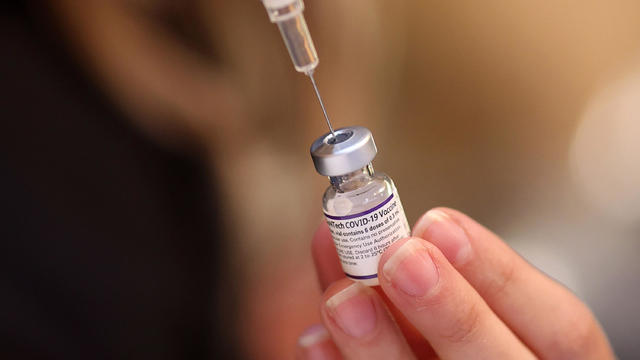
Reformulated vaccine is already available at some pharmacies and will be more widely accessible starting next week.
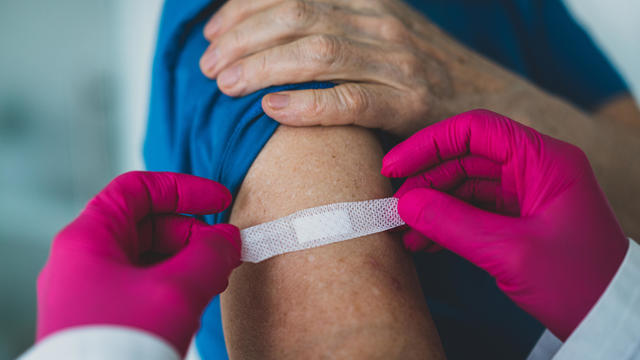
The CDC recommends a new shot, targeting more a recent variant, for virtually all Americans to reduce the risk of severe illness, hospitalization or death.

COVID-19 hospitalizations have increased significantly over the past month and are expected to continue rising, according to the latest numbers from the U.S. Centers for Disease Control and Prevention. Meanwhile, demand for in-person and at-home COVID tests is also surging. Elaine Quijano has details.
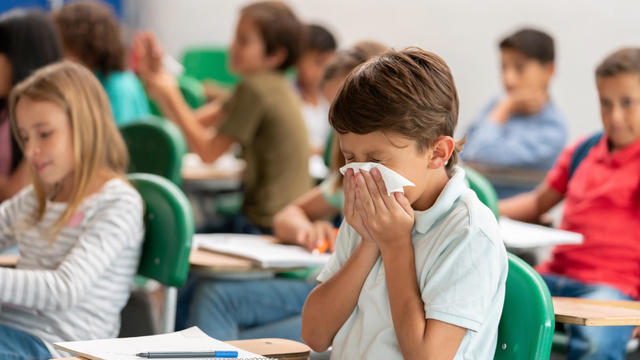
Back to school can often mean back to germs. But experts say there are ways to keep kids protected — and make vaccinations less scary, too.
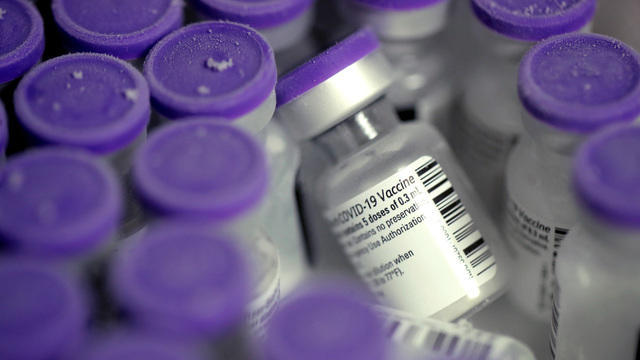
The CDC says it is tracking a newly discovered COVID-19 strain, BA.2.86. One of the cases of the highly mutated variant was confirmed in Michigan. CBS News' Errol Barnett spoke with Dr. Bernard Camins, the medical director for infection prevention at Mount Sinai in New York City, who said "everyone will likely meet the criteria to get the new booster" in the fall.
Cases of the new COVID variant BA.2.86 have been spotted in Michigan, Denmark and Israel.
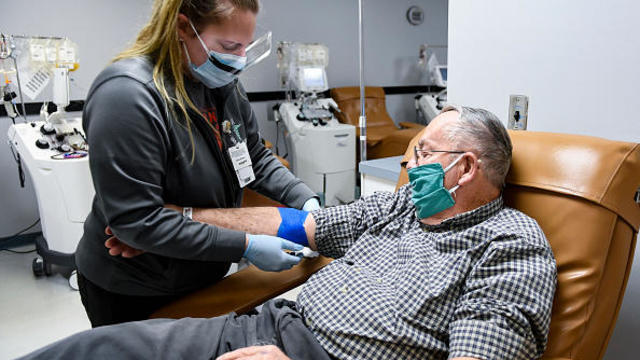
In the most recent data, 77.5% of Americans ages 16 and older have antibodies from at least one prior infection.
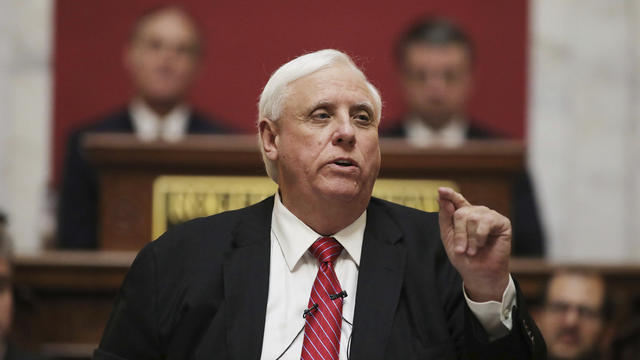
West Virginia Gov. Jim Justice acknowledged that his administration received a subpoena "to supply information" about the vaccine sweepstakes effort.
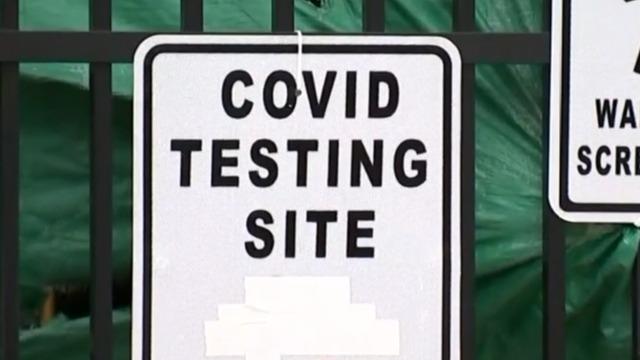
May 11 marks the end of the national COVID-19 health emergency declaration in the U.S. CBS News anchors Lana Zak and Errol Barnett spoke with Dr. Megan Ranney, deputy dean at Brown University School of Public Health, about what the end of the declaration means.
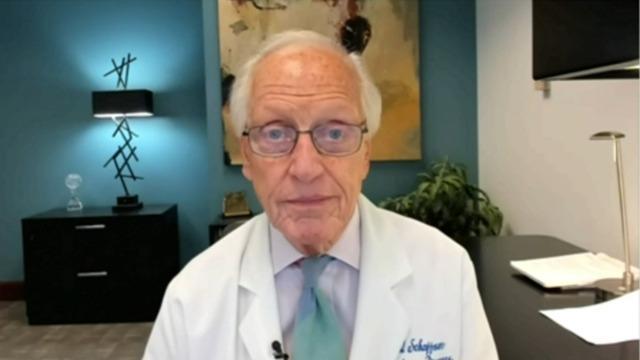
The World Health Organization has officially ended the COVID-19 global emergency. CBS News anchors Errol Barnett and Elaine Quijano spoke with Dr. William Schaffner, a professor of infectious diseases at Vanderbilt University Medical Center, about why this doesn't mean the pandemic is over.
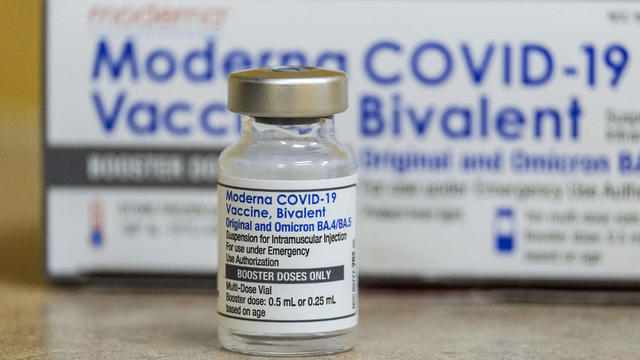
The latest round of boosters comes amid a swath of changes now greenlighted by FDA and CDC to COVID-19 vaccines.
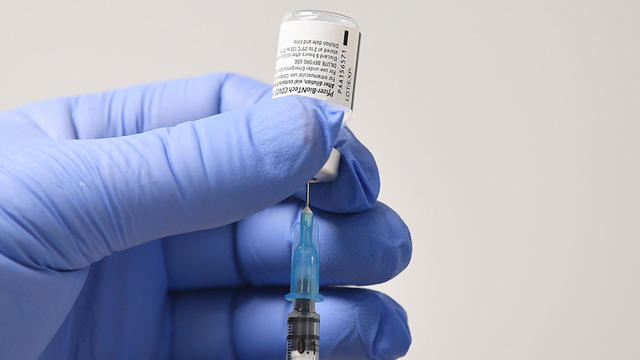
The ruling maintains the status quo, upholding a preliminary injunction blocking the mandate issued by a federal judge. The issue has drawn many conflicting judicial opinions.
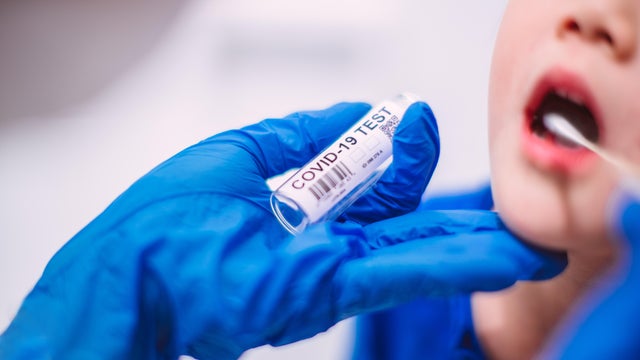
A study found that some U.S. parents were not honest about reporting coronavirus symptoms, quarantine measures and testing guidelines.
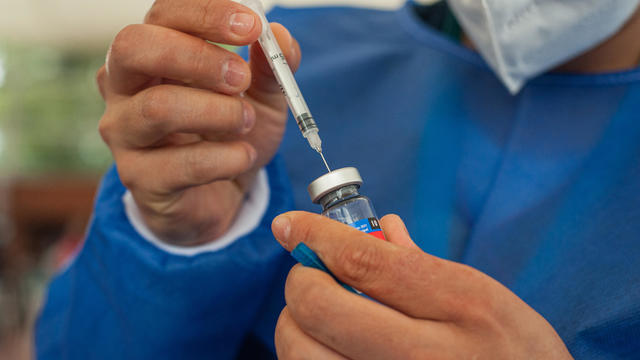
The FDA's goal is to roll out the combo option by the following flu season.
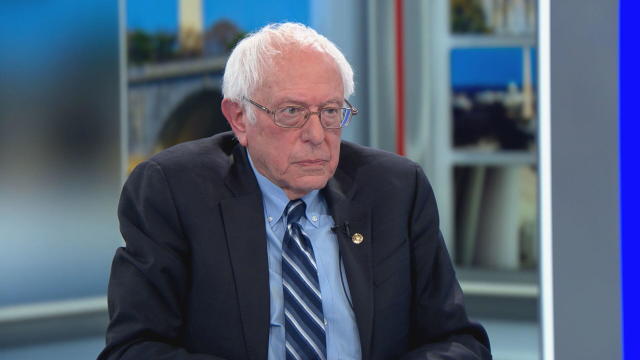
"Truth is, [the] pharmaceutical industry is enormously greedy, charging us outrageously, uncontrollably high prices," the senator told "Face the Nation."
The company announced a patient assistance program as it prepares for government-bought supplies to run out.
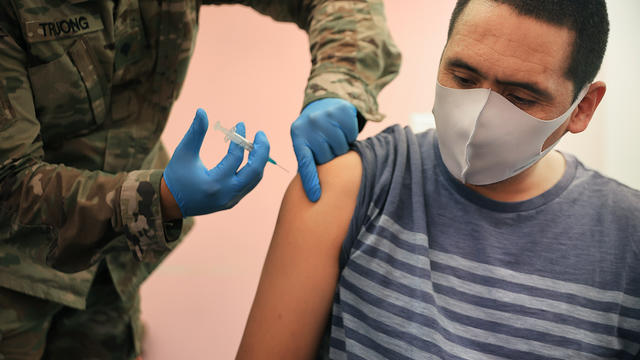
Most Americans will continue to get vaccines for free, but tests and antiviral pills could get costly later this year.
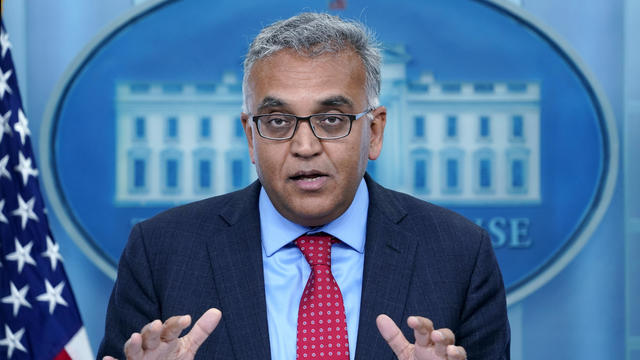
Dr. Ashish Jha said he was hopeful insurers would still cover COVID-19 tests after the official end of the public health emergency.
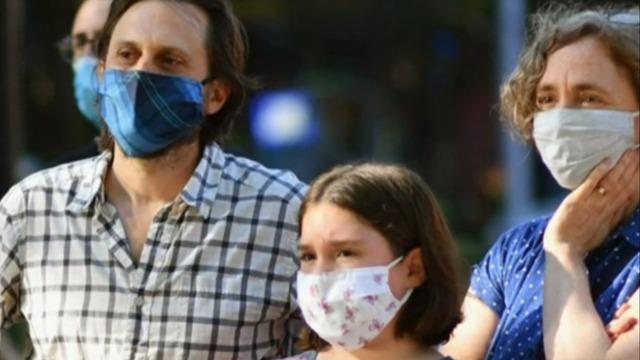
The Biden administration has announced it will official end the COVID-19 public health emergency this May. Dr. William Schaffner, a professor of infectious diseases for the Vanderbilt University Medical Center, joins CBS News' Lilia Luciano and Lana Zak to discuss what this change means and how Americans can continue to stay safe.
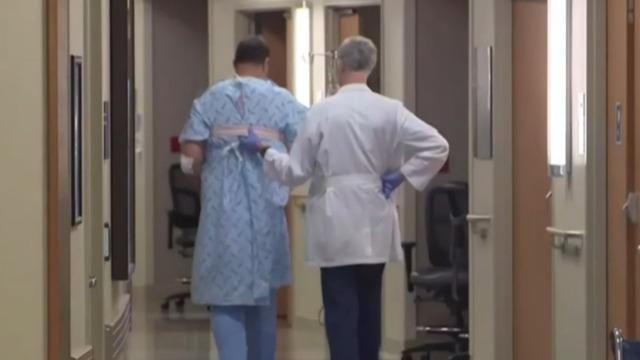
Hospitals did see an uptick in patients with flu, COVID-19 and RSV this winter, but cases are now on the decline. CBS News medical contributor Dr. Céline Gounder joined Anne-Marie Green on "CBS News Mornings" to discuss whether the threat is over. Plus she explains the latest on plans for yearly COVID vaccine shots, similar to a flu shot.
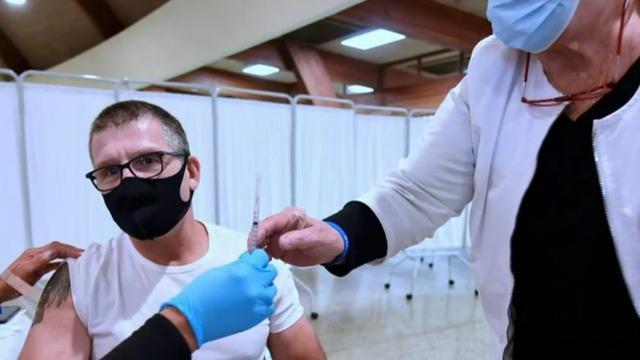
An FDA advisory panel is considering changing the COVID-19 vaccine schedule to once-a-year shots, similar to how flu vaccines are offered. CBS News medical contributor Dr. David Agus joined Anne-Marie Green and Vladimir Duthiers to discuss the potential shift in vaccine recommendations. He also answers questions about the levels of lead in baby food and staying healthy in menopause.
U.S. health officials want to make COVID-19 vaccinations more like the annual flu shot.