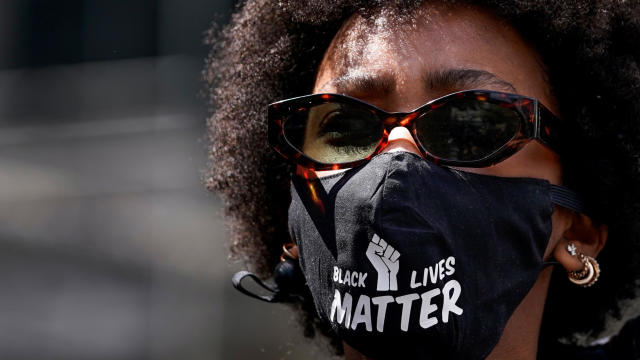
Taco Bell to let employees wear Black Lives Matter masks
One former worker said he was fired over his mask after being told not to bring "politics into the building."
Watch CBS News
One former worker said he was fired over his mask after being told not to bring "politics into the building."
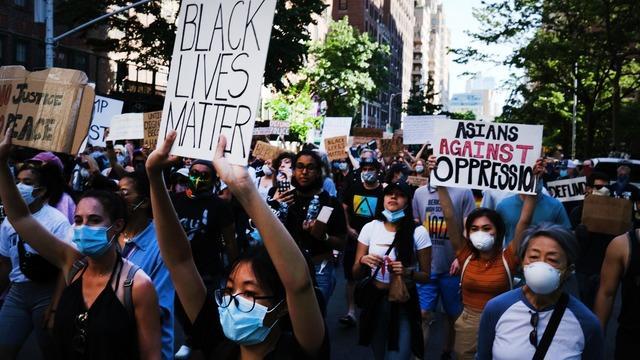
New York City has seen some of the largest protests around the country following the killing of George Floyd. Jamel Mims, one of the activists behind the protests and an organizer with Refuse Fascism, joined CBSN to talk about the the turnout and goals of the movement.
In most cases, it's OK to just say "black."
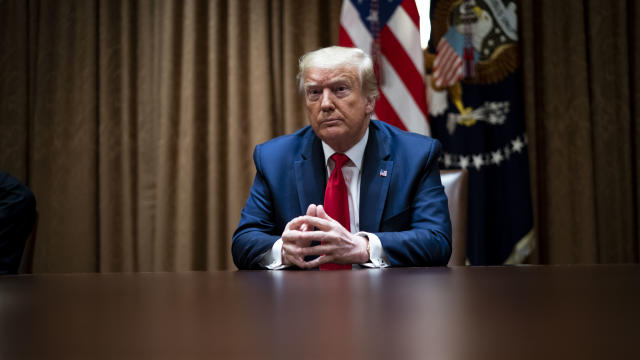
The president expressed a different view on the shooting death of Rayshard Brooks in Atlanta.
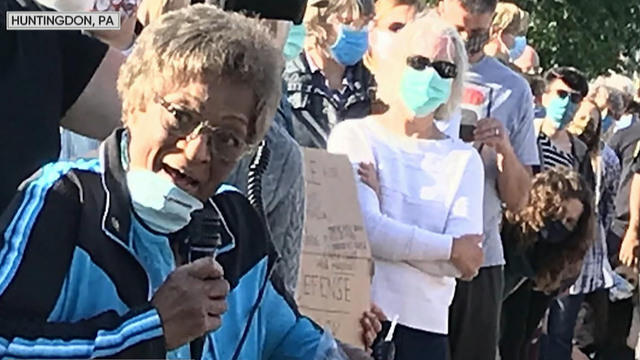
People in hundreds of small suburban and rural towns across the U.S. are marching in Black Lives Matter protests against police brutality and systemic racism. Many are in communities that are mostly white, with some in towns with a history of racism. CBS News' Caitlin Huey-Burns and Kate Smith join CBSN with a look at why these protesters are deciding to speak out.
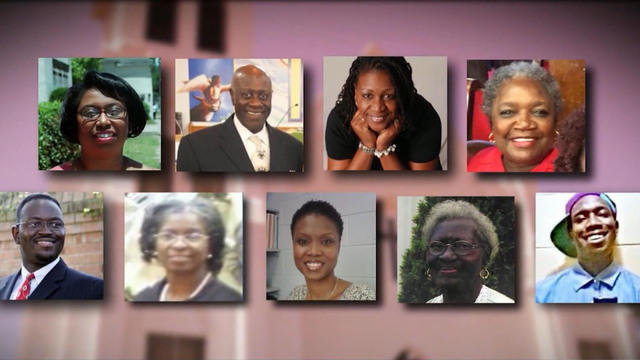
Five years ago today, nine black parishioners were killed by a white supremacist gunman during a Bible study class at the Emanuel A.M.E. Church in Charleston, South Carolina. The tragedy put a spotlight on issues including racism, the Confederate flag and gun control, which still echo today. CBS News political contributor Antjuan Seawright shares his personal story about the church and race relations.
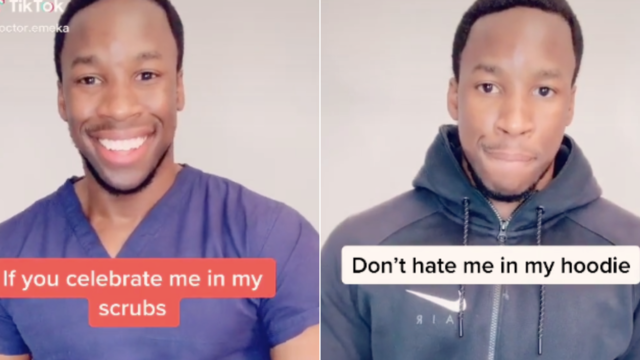
"I don't want to be clapped for and celebrated when I have my scrubs and PPE on only to see myself and others who look just like me racially profiled for wearing a simple hoody," the doctor wrote.
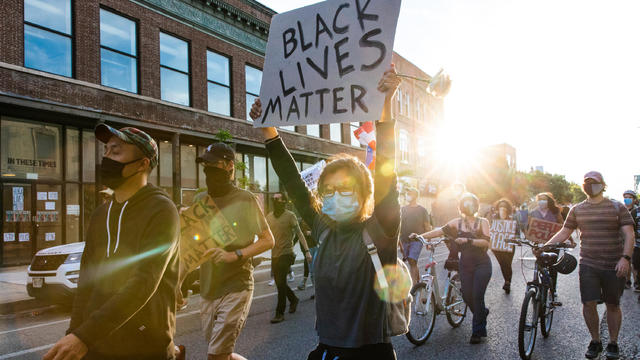
Foundation has received more than a million donations since protests erupted over the death of George Floyd.
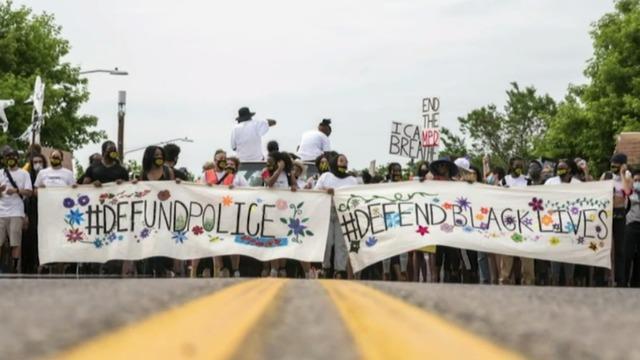
Nine members of the Minneapolis City Council have pledged to defund the city's police department. Councilman Steve Fletcher joins "Red and Blue"'s Elaine Quijano to discuss what a new model of public safety could look like.
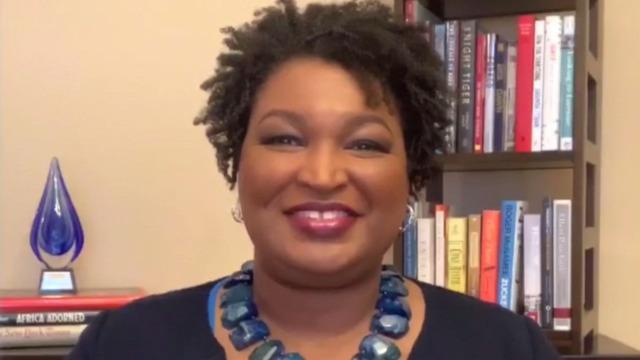
Fair Fight founder and 2018 Democratic nominee for Georgia governor Stacey Abrams joins "CBS This Morning" to discuss Georgia's election day "failure," and who should be held responsible for what went wrong.
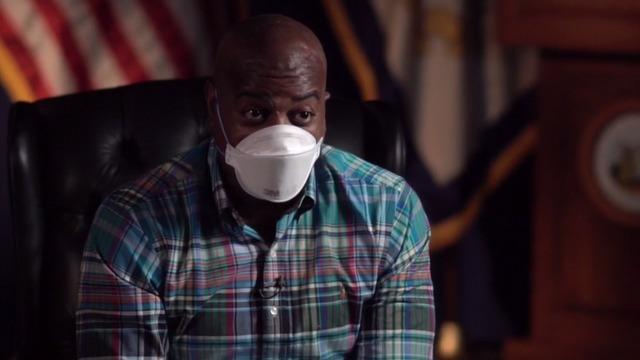
Last week, thousands spilled into the streets of Newark to protest after George Floyd's death. Michelle Miller speaks with the city's mayor about how police officers and community members worked together to keep the peace.
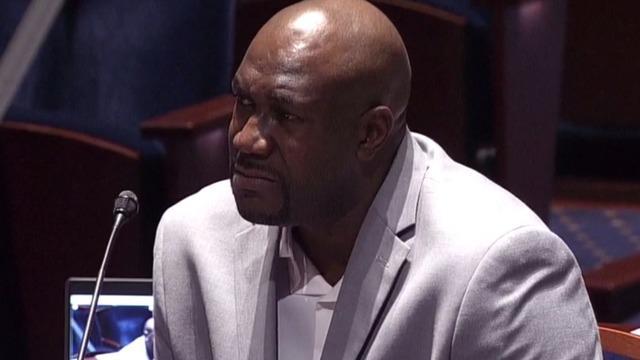
Philonise Floyd traveled to Washington, D.C. to urge Congress to do something about police brutality and march along Black Lives Matter Plaza with protesters. Nancy Cordes reports.
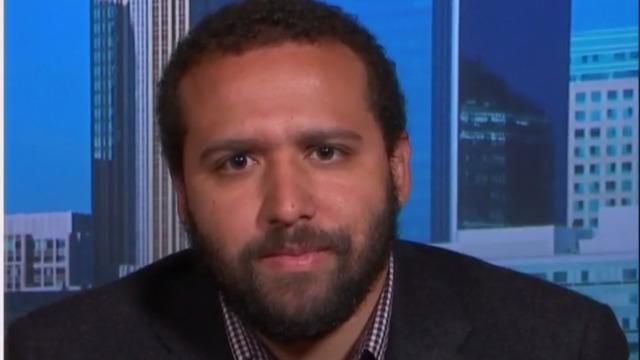
Wesley Lowery, correspondent for "60 in 6" on Quibi, joins "CBS This Morning" from Minneapolis, where he's been reporting on the death of George Floyd. He was formerly at The Washington Post where he won a Pulitzer for his extensive coverage of police shootings and the Black Lives Matter movement. Lowery gives some perspective on how we got here and why he believes this movement is different.
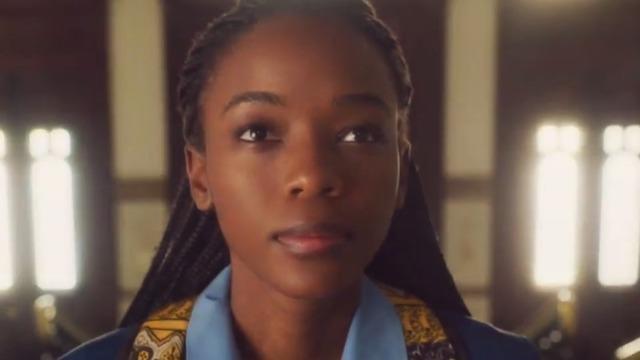
A Netflix series produced in South Africa has become a hit with global audiences. Debora Patta takes a look at the show, "Blood and Water," and speaks to one of its stars about the importance of Africans telling their own stories to the world.
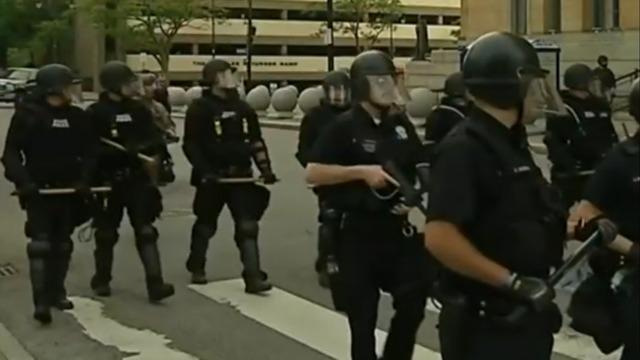
Buffalo Mayor Byron Brown unveiled a new police reform policy on Wednesday, some of which will be enacted immediately through an executive order. Last week, the Buffalo Police Department drew nationwide criticism after video showed officers shoving a 75-year-old protester. Two officers have been suspended and charged with felony assault. Brown joins CBSN's Elaine Quijano to discuss his plans to change law enforcement in Buffalo.
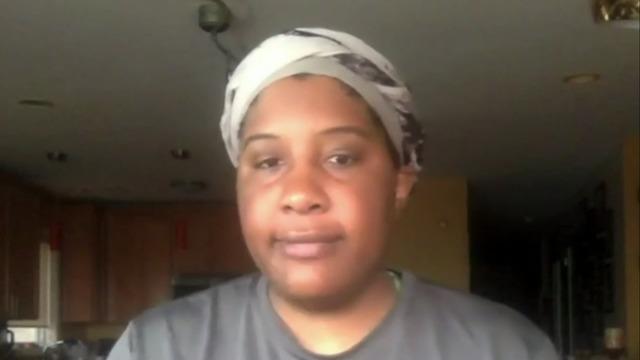
Inequality in America impacts every aspect of life including food access. Forty Acres Fresh Market owner Liz Abunaw, whose business is fighting against "food apartheid" in Chicago, tells CBSN why the recent protests across the nation come as no surprise.
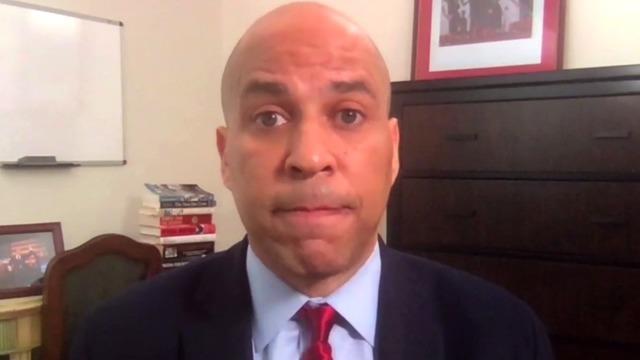
The New Jersey Democrat says "it's time that we change qualified immunity" for police forces.
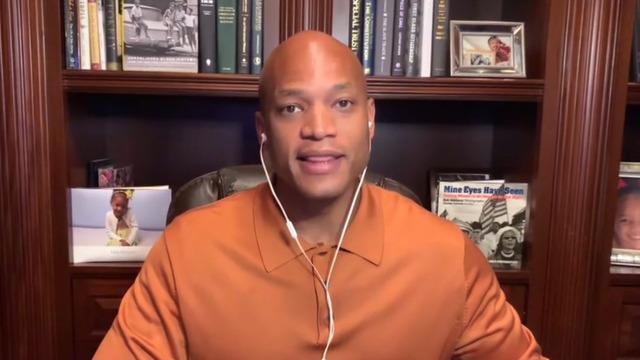
Wes Moore is the CEO of Robin Hood, one of the largest anti-poverty organizations in the country, and the author of the new book, "Five Days." The book reveals the most dramatic five days of protests in Baltimore, in reaction to the 2015 death of Freddie Gray in police custody. Moore joins "CBS This Morning" to discuss "Five Days" and its implications and lessons for the current national protests.
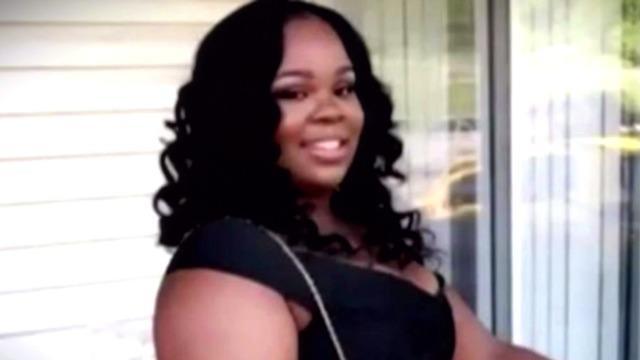
Officials in Louisville, Kentucky, passed a ban on no-knock warrants, named "Breonna's Law," after EMT Breonna Taylor was shot dead by plainclothes police officers who mistakenly thought they were executing a drug bust. Taylor was sleeping in bed at the time, and was shot at least eight times. Jericka Duncan reports on the ongoing investigation into her death.
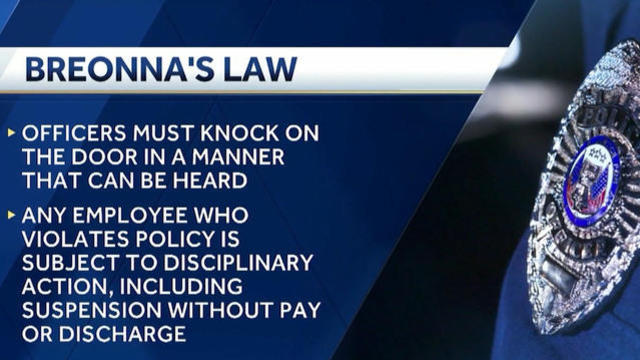
The Louisville City Council unanimously voted to approve "Breonna's Law," effectively banning local police from using no-knock warrants. Courier Journal reporter Tessa Duvall joined CBSN to discuss the law, including some controversial amendments made. She also provided an update on the officers involved in the search where Taylor was killed, and the paper's lawsuit against the police department.
Former Defense Secretary and "Exercise of Power" author Robert Gates joins "CBS This Morning" to discuss concerns about military politicization amid the response to the protests over George Floyd's death. He also weighs in on diversity and racism in the military and what he sees as "a turning point" in attitudes.
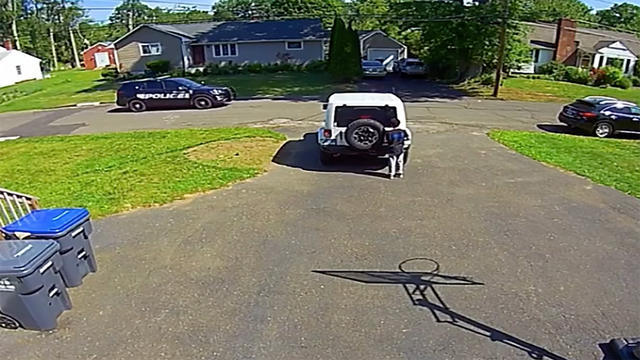
A 10-year-old boy in Connecticut stopped playing basketball in his driveway to hide from view when a patrol car drove by. When his father asked him why, his response was: "Because they killed George Floyd."
Republican senators released their version of a police reform bill just one day after President Trump signed an executive order on the topic. Indiana Senator Mike Braun joined CBSN to discuss what he thinks of the proposed legislation and why he believes "qualified immunity" needs to be reformed.
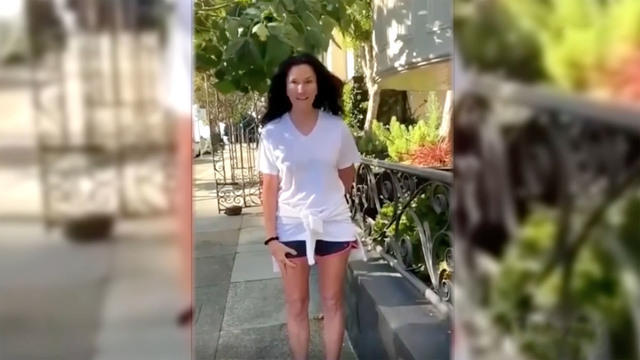
She called cops on Filipino man for creating "Black Lives Matter" sign in front of his own home in wealthy San Francisco neighborhood, drawing slew of backlash online.
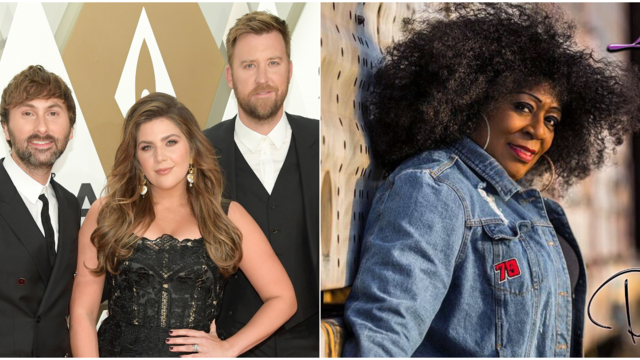
"I was furious because it felt like yet another white person's privilege was going to be allowed to take something from another black person," singer Lady A told CBS News.