Sunday 9AM ET on CBS
11AM ET on the CBS News app
Sunday 9AM ET on CBS
11AM ET on the CBS News app
Watch CBS News
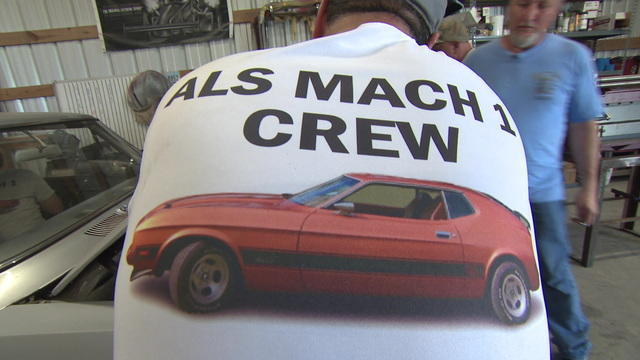
Seven years ago, Craig Reagan, of College Station, Texas, was diagnosed with ALS. Like so many aspects of his life that were disrupted, the '73 Mustang Mach 1 he'd bought his junior year of high school, which he'd always planned to restore, sat rusting in his garage. But once some old friends heard about the car Reagan had never gotten around to fixing up, they saw a challenge. Correspondent Steve Hartman reports.
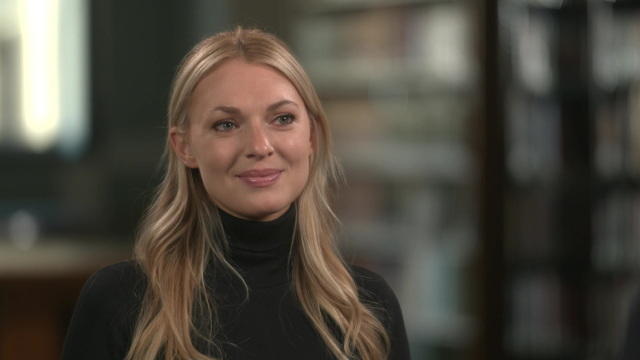
She is the breakout talent whose debut novel, "The Rabbit Hutch," won Tess Gunty the National Book Award for fiction. The novel, set in a downtrodden city inspired by her hometown of South Bend, Indiana, follows young adults who have aged out of the foster care system without having found a "forever" family. CBS News' Robert Costa talks with the 30-year-old author about her own background – both similar and different from her protagonist's – and about her passionate advocacy for the craft of novel writing.
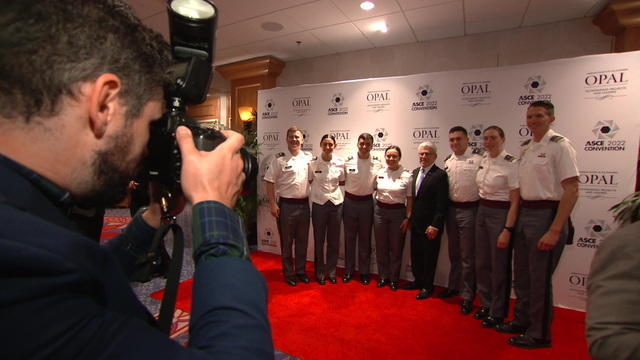
Since 1960 the American Society of Civil Engineers has hosted the Opal Awards, a black-tie gala where members honor the engineers behind some of the world's most ambitious projects. Correspondent Kris Van Cleave reports from the red carpet, and talks to the year's biggest winner, Ron Klemencic, lead engineer of a Seattle building project using an innovative new construction technique called SpeedCore.

Oscar-winning actor Morgan Freeman is narrator and executive producer of the History Channel documentary "761st Tank Battalion: The Original Black Panthers," about one of only a few African-American tank battalions that saw combat in World War II, at a time when the armed forces were still segregated. He talks with CBS News national security correspondent David Martin about the importance of bringing the story of the 761st to light.

For most of us, the memory of discovering an uncharged phone is seared into our consciousness. But not Jim Gaffigan's children.

In recent years, nonalcoholic beer sales have increased 70%, and no good cocktail list is complete without a few "mocktails." "Sunday Morning" contributor Kelefa Sanneh talks about the latest "sober-curious" trends with New York Times' chief wine critic Eric Asimov, who samples some tasty beverages, no alcohol required. (This story was originally broadcast November 20, 2022.)

Formed more than 40 years ago, the English electronic group Depeche Mode likes to call itself "the biggest alternative band in the world." And yet, while lead singer Dave Gahan and lead songwriter Martin Gore began 2023 with a new album, "Memento Mori," and a packed tour schedule, they are doing so without their bandmate, Andy Fletcher, who died unexpectedly in May 2022. Gahan and Gore talked with correspondent Luke Burbank about their success, their addictions, and why they credit music with saving their lives.
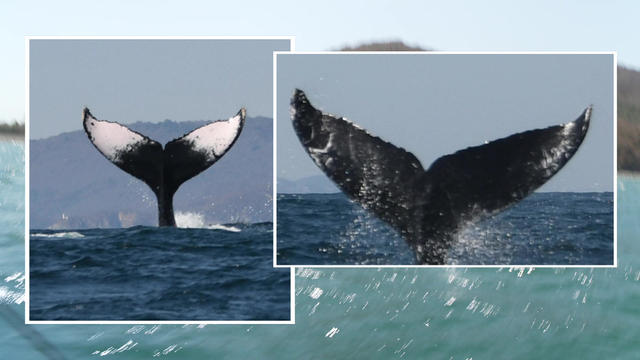
The website happywhale.com collects photos that whale-watchers take of the tails of humpbacks, helping ID and track specific whales in their travels around the world. Conor Knighton reports.

"Sunday Morning" looks at important historical events on this date.

One of the deadliest wildfires in the United States in recent years leveled homes and businesses on the lush Hawaiian island of Maui this past Tuesday. Correspondent Jonathan Vigliotti reports on how residents and tourists were caught off-guard by the fast-moving flames, turning postcard-perfect Lahaina into ruins, as officials warn the number of dead could rise significantly in the weeks to come.