Sunday 9AM ET on CBS
11AM ET on the CBS News app
Sunday 9AM ET on CBS
11AM ET on the CBS News app
Watch CBS News

We leave you this Sunday Morning birdwatching at the Reinstein Woods Nature Preserve in western New York state. Videographer: Carl Mrozek
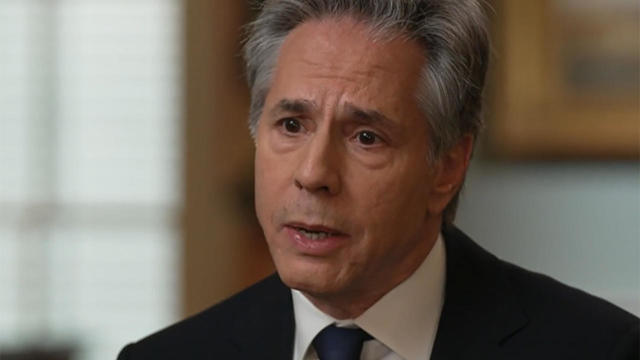
After traveling more than a million miles on the job, the secretary of state discusses the Biden administration's foreign policy report card, from a reinvigorated NATO alliance and Russian aggression in Ukraine, to the ongoing turmoil in Gaza.
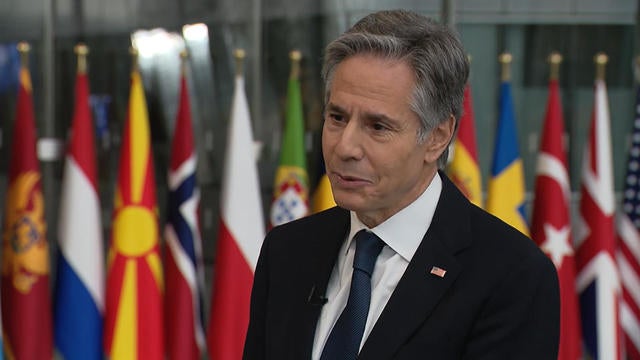
In his four years as secretary of state, Antony Blinken has traveled more than a million miles on the job, countering Russian aggression in Ukraine with a reinvigorated NATO alliance, and managing American interests in the ongoing turmoil across the Middle East. Correspondent Martha Teichner accompanied Blinken overseas to discuss the Biden administration foreign policy report card, and what Blinken foresees as a new administration takes over.
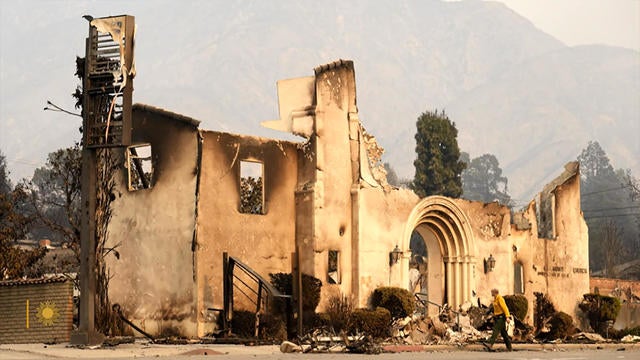
Sparks rode the hot breath of the Santa Ana Winds all across Los Angeles County this week, as wildfires destroyed thousands of structures, from the mountains to the ocean. Correspondent Lee Cowan reports how, for those whose homes, schools, churches, restaurants and businesses were destroyed, all the touchstones that make up a community are no more.
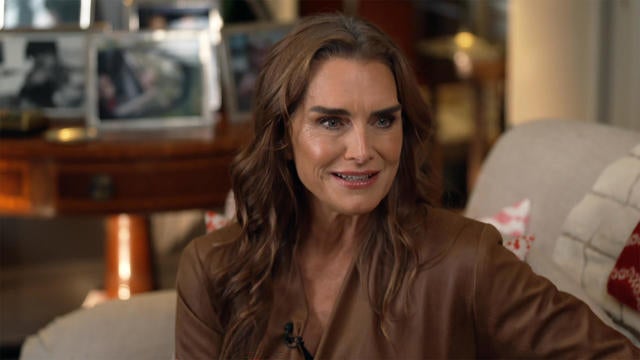
The model, actress, activist and entrepreneur Brooke Shields talks with correspondent Faith Salie about turning 60; taking risks; confidence and the psychology of fame; and creating opportunities for herself. She also discusses her fourth book, "Brooke Shields Is Not Allowed to Get Old," and confronting the expectations that others have for women who are older.
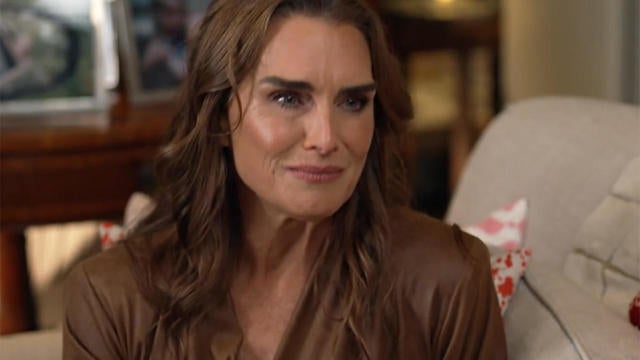
Now nearly 60, the model and actress was recently elected president of Actors' Equity, and launched Commence, her beauty brand for women over 40. She's also written her fourth book, "Brooke Shields Is Not Allowed to Get Old,"
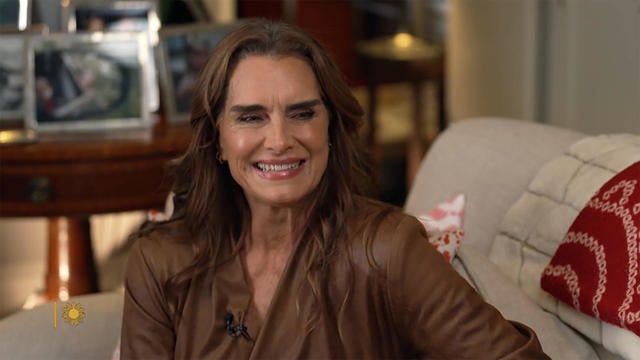
As a child model and actress, Brooke Shields became a superstar, but not much more was expected of her than to look gorgeous. Now nearly 60, Shields was recently elected president of Actors' Equity, and launched Commence, her beauty brand for women over 40. She's also written her fourth book, "Brooke Shields Is Not Allowed to Get Old," which offers her thoughts on aging and on rejecting society's constricting expectations for more mature women. Correspondent Faith Salie reports.
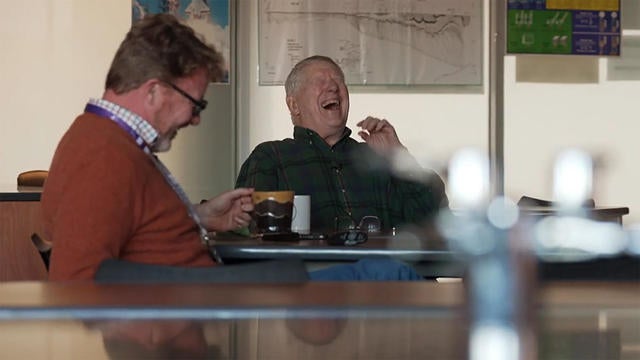
When Clay Morton was a student at the University of Arkansas, he was greatly inspired by his geology professor, Dr. Walt Manger, who became a mentor and a guiding light as Morton pursued a career as a high school science teacher. Now, years later, after Manger was diagnosed with Alzheimer's, Morton is striving to preserve as much of his former professor's brilliance as possible. Steve Hartman reports.
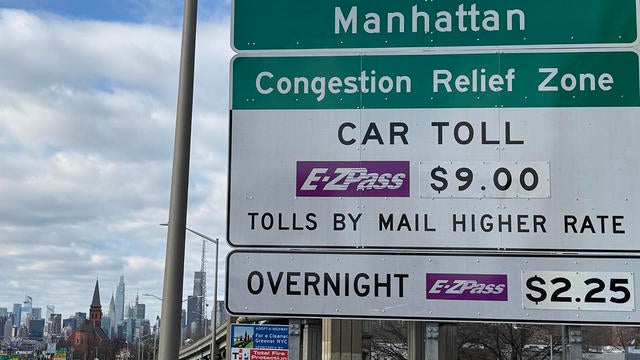
The first congestion pricing plan in the U.S. has begun, charging most drivers $9 a day to enter the lower half of Manhattan. The long-debated plan is projected to raise up to $800 million a year for the city's aging public transit system. Will it work?

The first congestion pricing plan in the United States has begun in New York City, charging most drivers $9 a day to enter Midtown and Lower Manhattan at peak hours. The long-debated plan, which has garnered both supporters and detractors, is projected to raise between $500-800 million a year to pay for repairs and improvements of the city's aging public transit system. Will it work? Correspondent Mo Rocca reports.
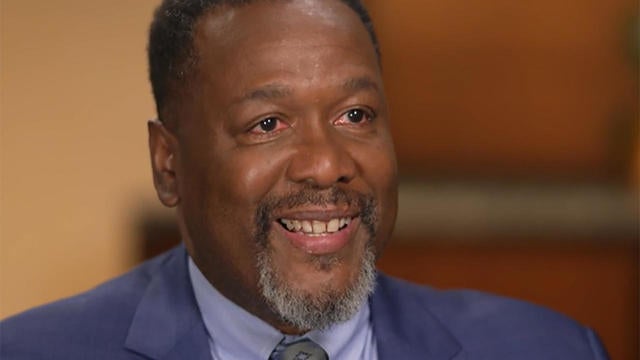
With standout roles in "The Wire," "Death of a Salesman," and the CBS drama "Elsbeth," the acclaimed actor talks about his childhood in New Orleans, training at New York's Juilliard School, and tackling the character of Willy Loman.
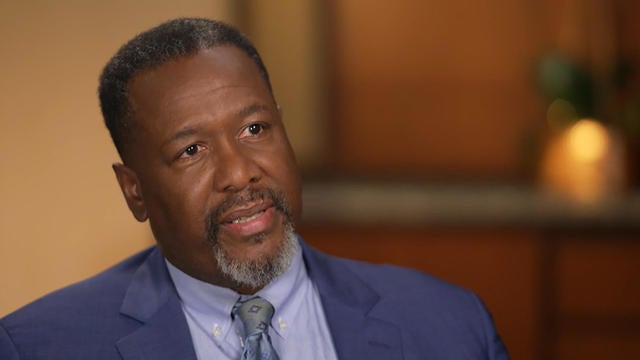
With standout roles in "The Wire," "Death of a Salesman," "Selma," and the CBS drama "Elsbeth," Wendell Pierce is one of the most acclaimed actors today. He talks with correspondent Nancy Giles about his journey, from a childhood in New Orleans to tackling Shakespeare and Arthur Miller. And he discusses what gave him the most anxiety in his career: training at New York's esteemed Juilliard School.
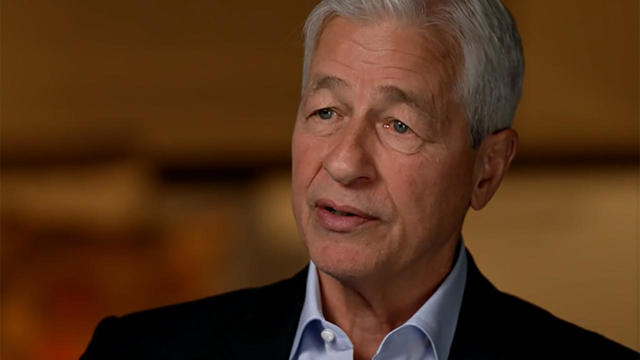
The chairman and CEO of JPMorgan Chase explains why he's referred to cryptocurrencies like Bitcoin as a Ponzi scheme; his bank's efforts to improve the lives of lower-income Americans; and his recent near-death experience.
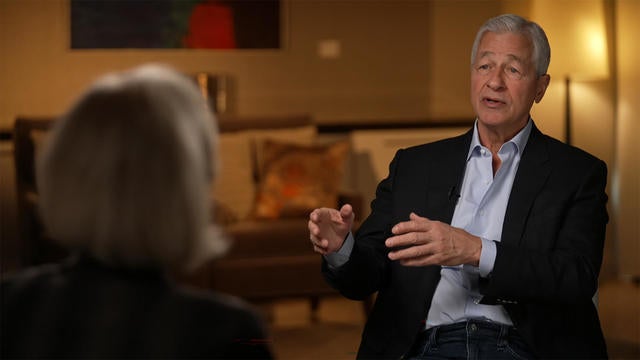
What does it mean for the U.S. economy to be the envy of the world? Jamie Dimon, the chairman and CEO of JPMorganChase, the largest bank in America, talks with "60 Minutes" correspondent Lesley Stahl about why he is "cautiously pessimistic" about the economy; what changes he wishes to see in Washington; and his advice to the incoming president. He also discusses cryptocurrencies, and the qualities necessary for the leader of an organization.
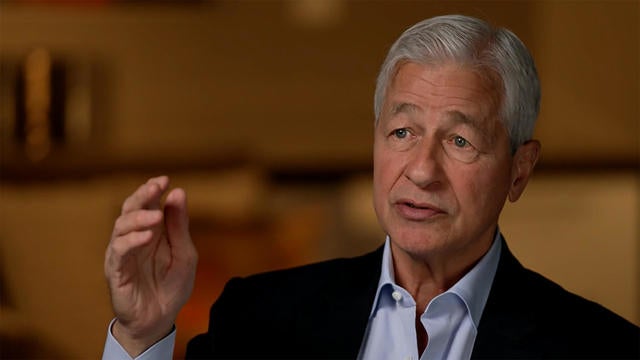
As chairman and CEO of JPMorgan Chase, the largest bank in America, Jamie Dimon has said he's "cautiously pessimistic" about the economy. He explains to "60 Minutes" correspondent Lesley Stahl how he is trying to improve the lives of lower-income Americans; why he's referred to cryptocurrencies like Bitcoin as a Ponzi scheme; and his recent near-death experience.