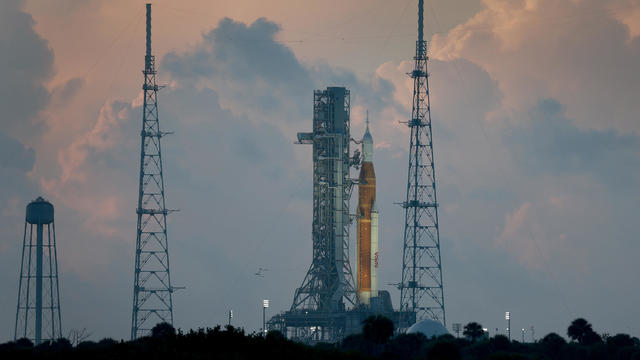
NASA calls off its Artemis 1 moon rocket launch due to hydrogen leak
NASA scrubbed its second attempt to launch its Artemis 1 test flight on a mission to send an unpiloted capsule on a 37-day trip around the moon and back.
Watch CBS News
NASA scrubbed its second attempt to launch its Artemis 1 test flight on a mission to send an unpiloted capsule on a 37-day trip around the moon and back.
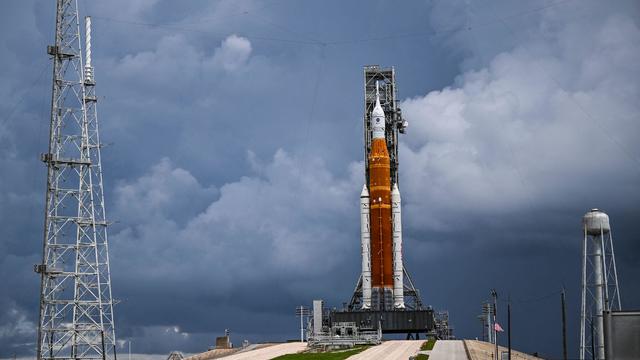
Engineers are hopeful the weather will cooperate for the planned launch Saturday of NASA's Artemis moon rocket.
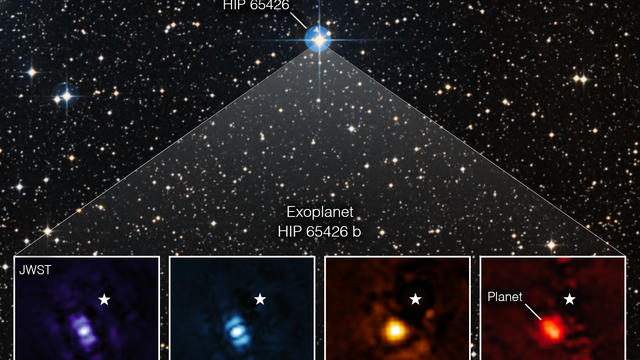
The exoplanet was first discovered in 2017, but the Webb Telescope was able to capture the clearest images of the exoplanet to date.
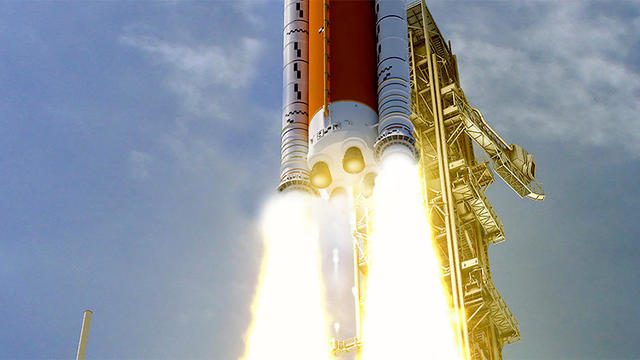
Engineers developed a work around to avoid a repeat of the engine cooling problem that derailed Monday's launch try.
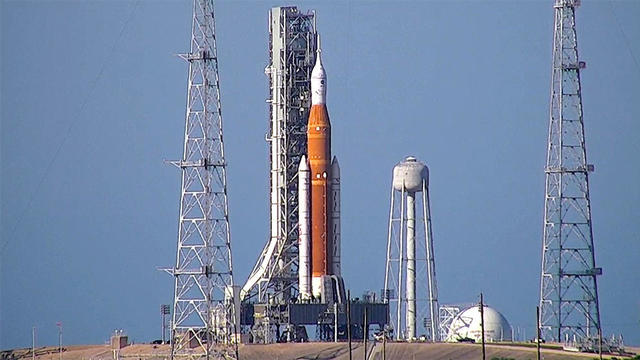
NASA managers will conduct a final review Thursday before giving engineers clearance to proceed with launch.
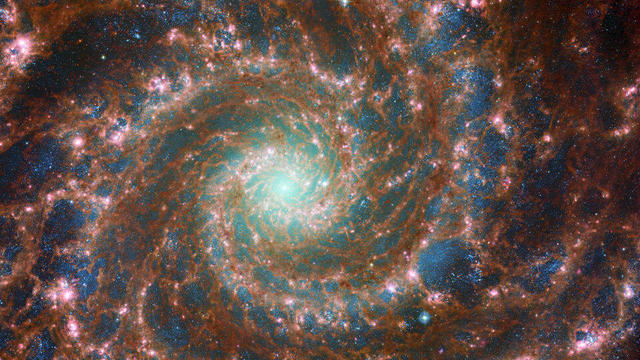
The veteran and the new kid on the block have teamed up to produce a stunning image of the popular spiral galaxy.
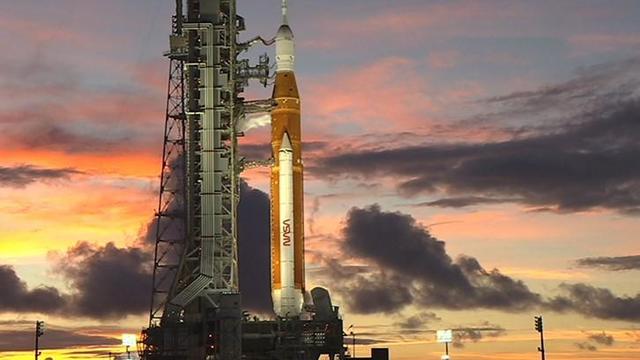
Trouble cooling one of the giant rocket's engines and a balky valve needed for troubleshooting triggered a launch scrub.
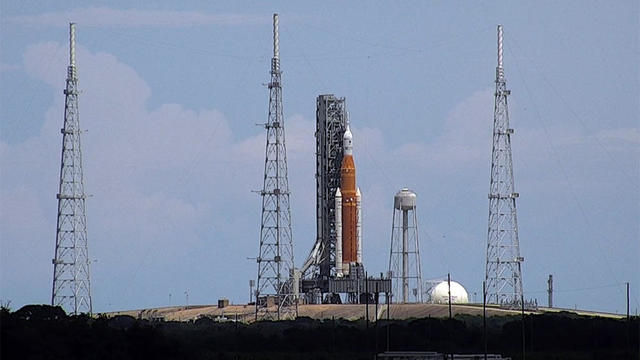
Engineers say multiple lightning strikes near the launch pad Saturday caused no apparent problems.
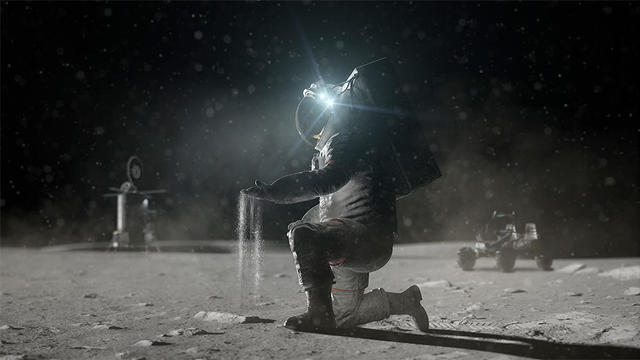
NASA's Artemis program envisions a sustained presence on and around the moon as a stepping-stone to Mars.
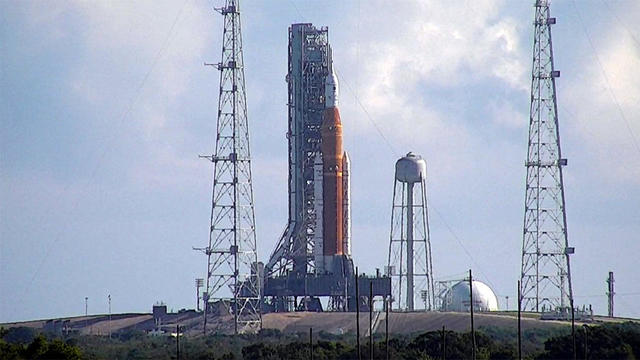
The 46-hour, 10-minute countdown sets up a launch attempt at 8:33 a.m. EDT Monday at the opening of a two-hour window.
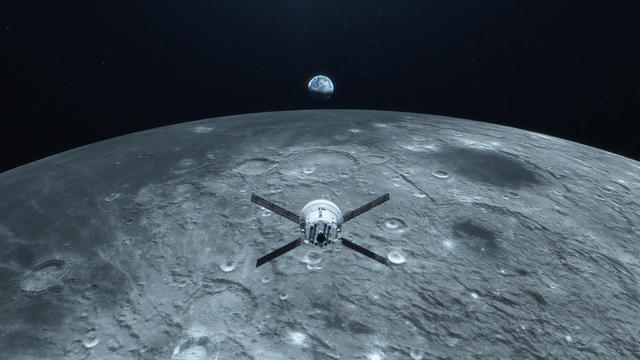
The Orion capsule being tested in the Artemis 1 mission will travel farther from Earth than any previous human-rated spacecraft.
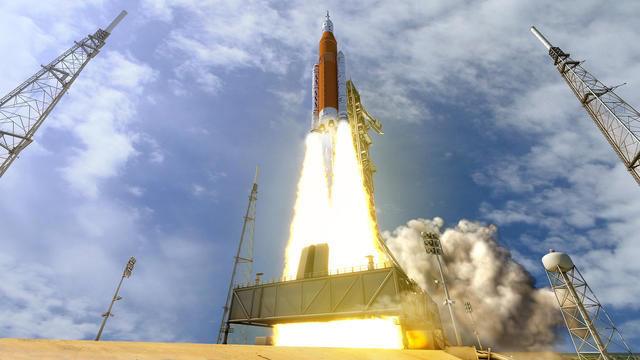
NASA's powerhouse Space Launch System rocket is preparing for blastoff to the moon — and someday, Mars.

NASA says the exoplanet, located just 100 light years away, could be a "water world."
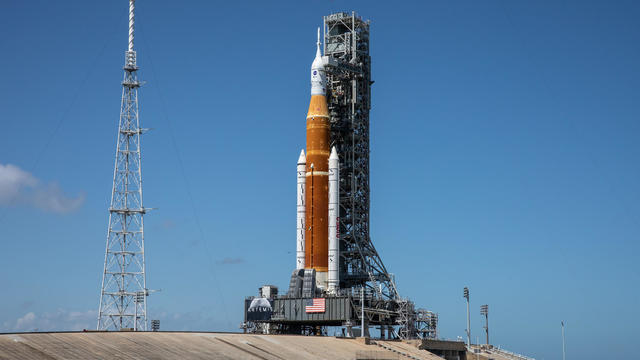
Years late and billions over budget, the SLS rocket is being readied for blastoff on an unpiloted test flight to lunar orbit.
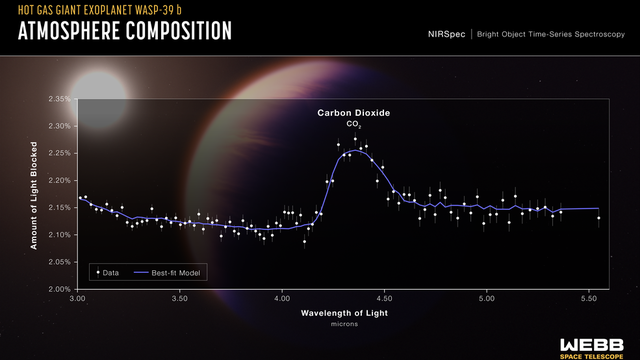
The CO2 – the compound humans breathe out – was found in the atmosphere of a planet orbiting a star 700 light-years away. It was discovered by the James Webb Space Telescope.