How to keep pets safe during blizzard across New York, New Jersey area
Pet owners should be extra cautious with their furry friends during and after the major winter snowstorm impacting the New York and New Jersey area.
As residents start shoveling and de-icing their driveways and sidewalks, they are also reminded to protect pets from dangerous conditions.
Here are some tips from animal experts for during and after the nor'easter.
Limit time outside
Just like humans, pets can only take so much of the cold. Even though they might have a thick coat, dogs still might need a shorter walk.
The American Veterinary Medical Association said long-haired or thick-coated dogs tend to be more cold-tolerant. Short-haired pets feel the cold faster due to less protection. Pets with short legs can also become colder faster because their bellies and bodies are more likely to touch the snow.
Very young and very old pets also may have a harder time regulating their body temperature.
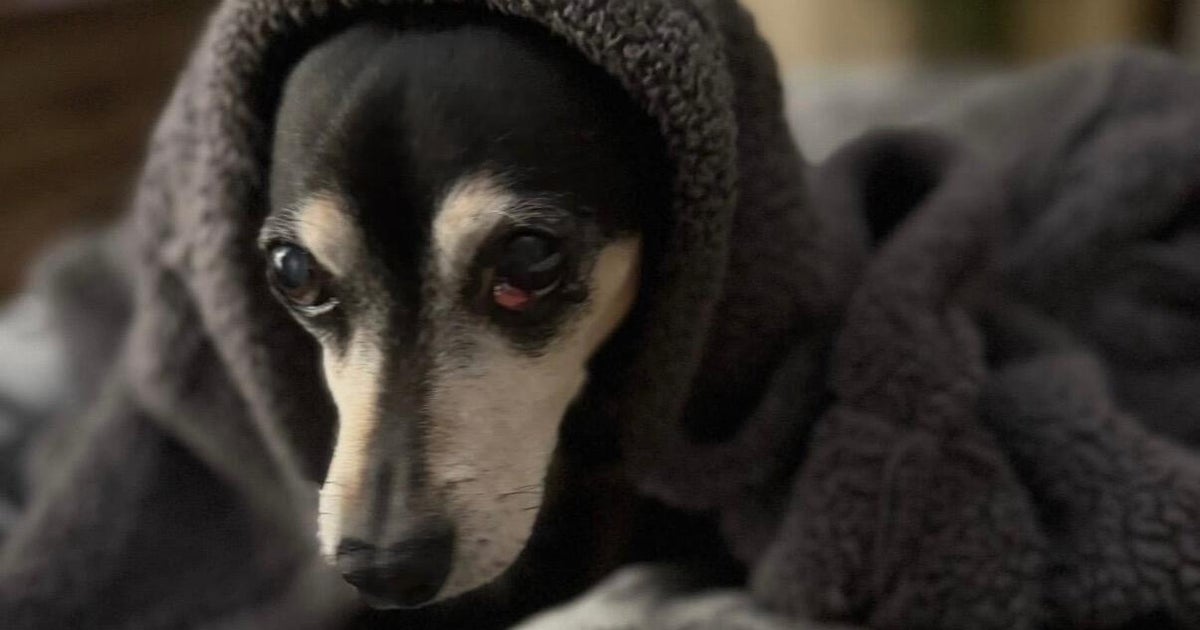
Putting dry sweaters or coats on dogs could help keep them warm.
Protect paws from ice melt and salt
Paws that are cracked and bleeding are signs of injury. De-icing products such as anti-freeze and salts can be toxic to pets, experts say.
Consider getting pet-safe ice melts or dressing your furry friend up in booties. Massaging petroleum jelly or other vet-approved creams or bams onto the animal's paw pads could also protect them from chemicals, according to the ASPCA.
After a walk, wipe down your pet's feet, legs and belly.
Should you leave pets outside in the snow?
Outdoor pets will need insulated housing with dry bedding during freezing temperatures. They will also need constant access to unfrozen water.
"If it is too cold outside for you, it's probably too cold for your pet," the ASPCA stated on its website.
Keep pets on leash during snowstorms
Experts say to never let a dog off its leash on snow or ice, especially during a storm.
Dogs can lose their scent in the snow and easily become lost. Owners should also make sure to put a collar with an ID tag on their pet.
Recognize signs of hypothermia
The signs of hypothermia in pets are whining, shivering, anxiety, slowing down, or looking for a warm place to burrow.
Animal experts say frostbite is harder to detect until a few days after the damage is done.
Anyone who suspects their pet has hypothermia or frostbite should contact their veterinarian immediately.