Defense and prosecutors both ask judge to keep Loyola shooting suspect in Cook County jail until trial

The man accused of shooting and killing Loyola University freshman Sheridan Gorman appeared in court Friday, where prosecutors detailed the 18-year-old's final moments before she was shot in the back near a Rogers Park pier.
Jose Medina, 25, appeared virtually from Cermak Hospital in Cook County Jail, where he is being treated for tuberculosis. He missed his first court appearance on Monday because he was in the hospital.
Gorman's family appeared on the same Zoom call as Medina, joining from what appeared to be a home alongside their attorney and a large group of people. Some of Gorman's friends from Loyola attended the hearing in person.
He appeared for his 11:30 a.m. hearing over Zoom Friday, masked and in Cook County custody at Cermak Hospital. He was accompanied by a public defender. At points during the hearing, Medina appeared to become sick off camera; at other times, he closed his eyes.
Medina, 25, a Venezuelan migrant, is charged with one felony count of first-degree murder, one felony count of attempted first-degree murder, three felony counts of aggravated discharge of a firearm, and one felony count of aggravated unlawful possession of a weapon.
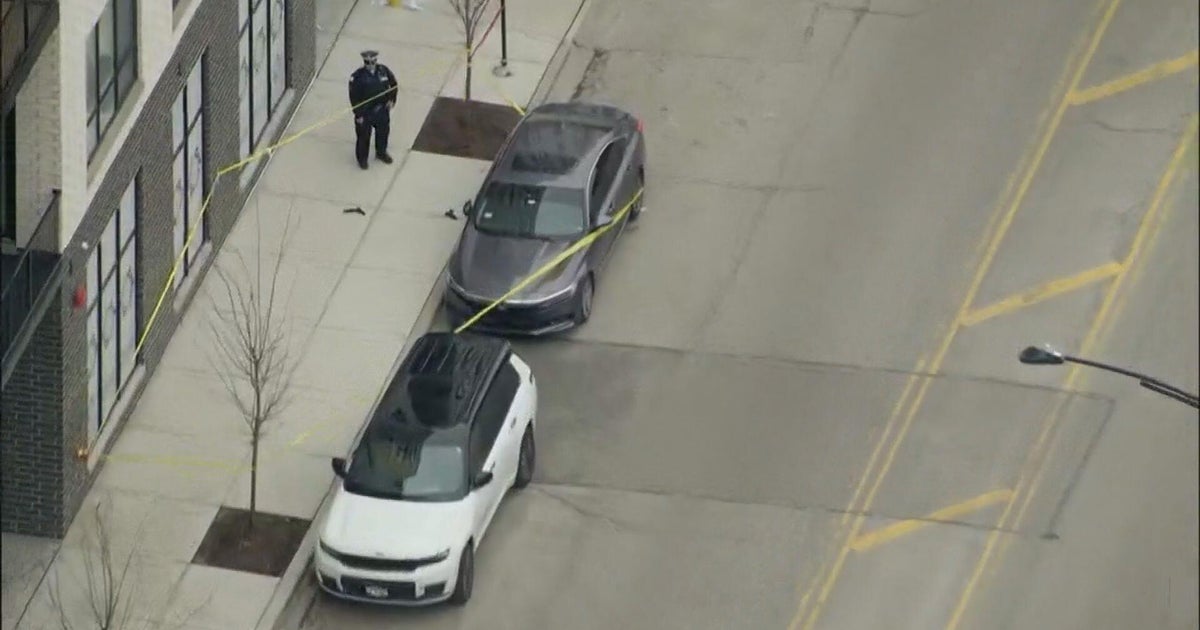
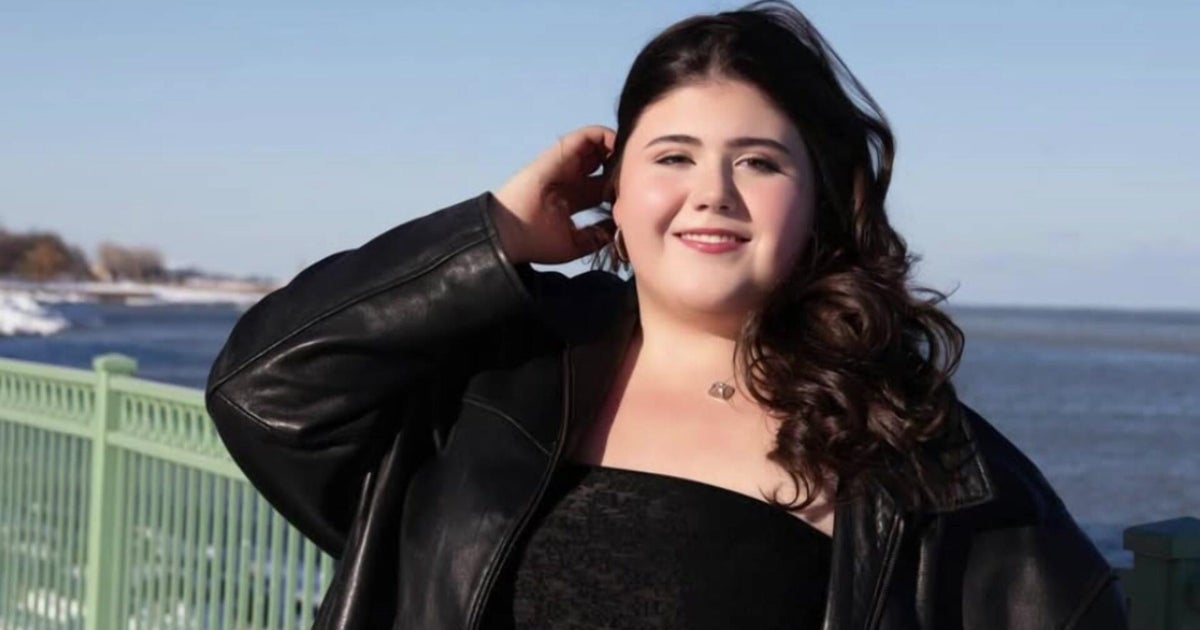
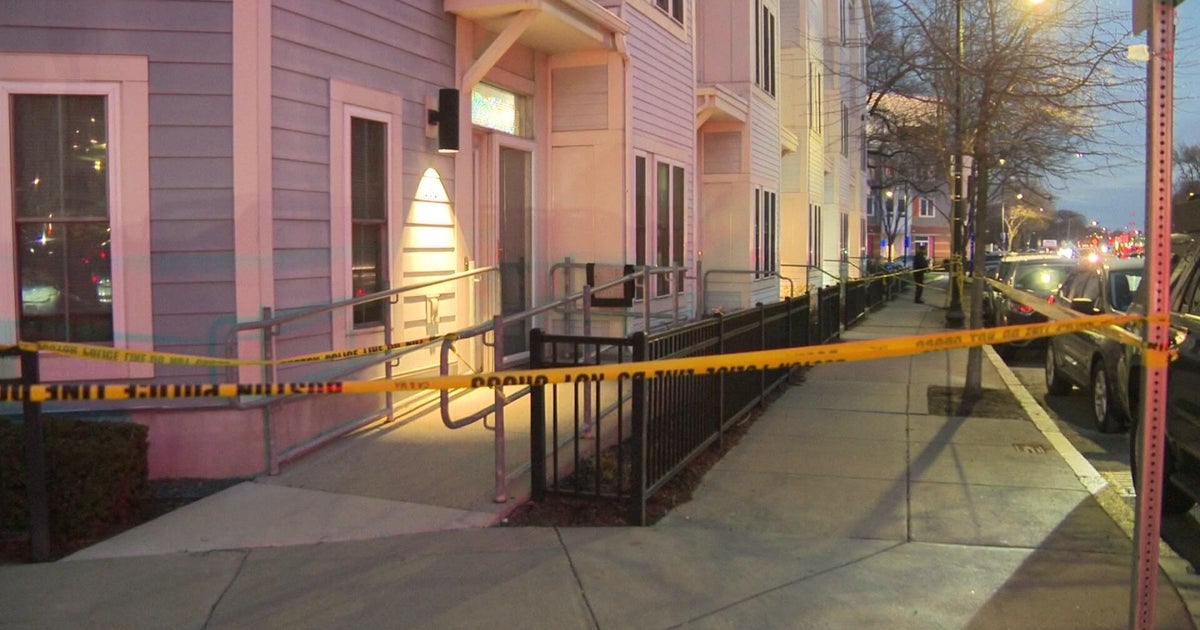
Medina is accused of shooting and killing the 18-year-old freshman on March 19 while she was walking with her friends near the pier at Tobey Prinz Beach at Pratt Boulevard. Gorman was just six months into her college journey.
Prosecutors said Gorman and a larger group of her friends had been hanging out at their dorm on campus when they decided to go to the beach to see the skyline. They took pictures outside their dorm and on the beach, then split up. Gorman and three friends headed to the pier.
According to prosecutors, Medina had arrived at the pier a short time before Gorman and her friends did, and was behind the lighthouse when they walked up. Gorman was the first to approach the lighthouse and looked around to the other side, then quickly walked back to her friends and told them a man was there, prosecutors said.
Two of her friends saw the gun before Medina opened fire, prosecutors said. When they saw Gorman fall, according to prosecutors, the other girls "ran for their lives." They made it back to the beach and hid, while one of them called 911.
Gorman was struck once in the back and the bullet exited her neck, prosecutors said. She was pronounced dead at the hospital.
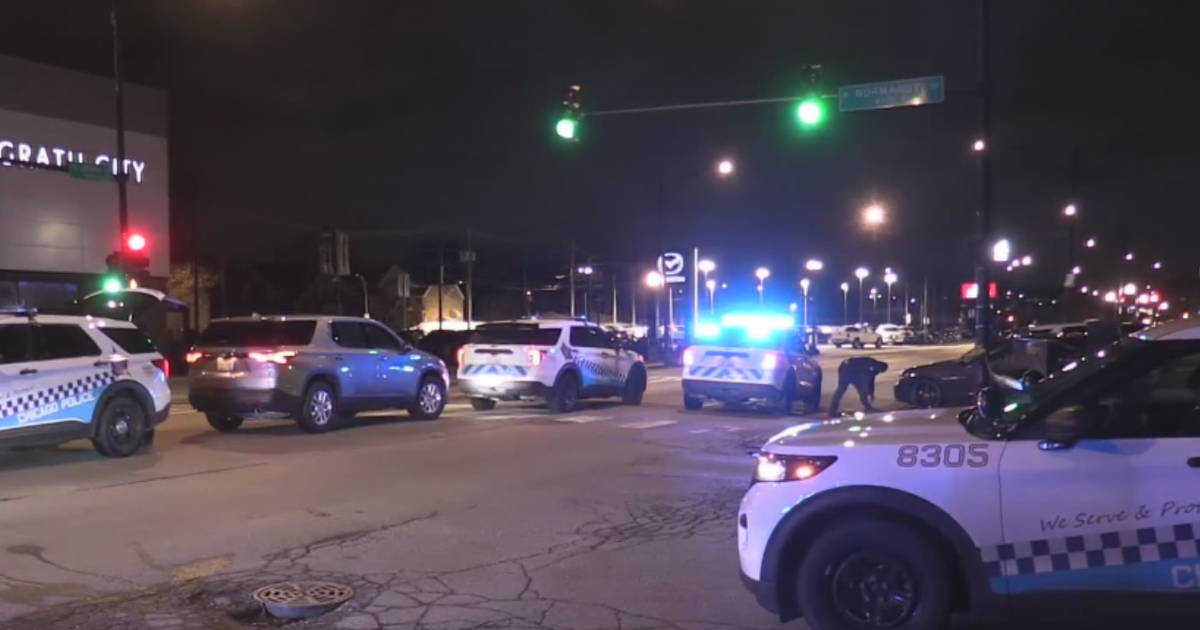
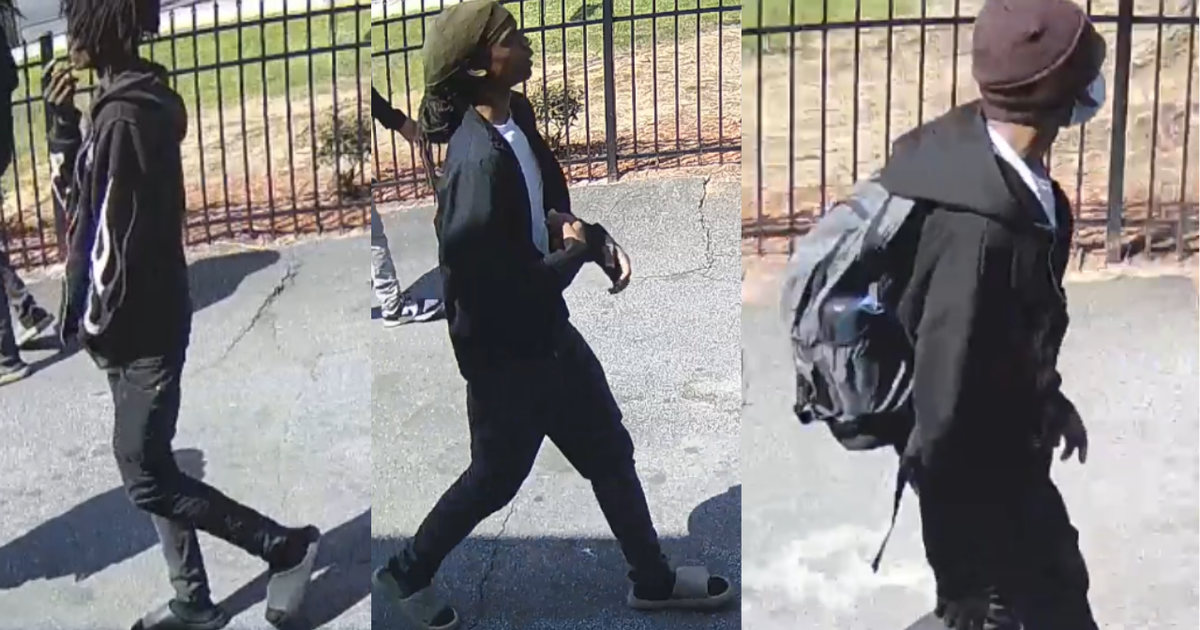
Prosecutors said police canvassed the area for surveillance video and found some at a nearby apartment building. Someone in the building recognized Medina on the tape, prosecutors said, and directed police to an apartment where Medina lives with his mother.
Prosecutors said police were able to use surveillance video to track Medina's movements both before and after the shooting, noting he was wearing the same outfit and walking with a limp that his mother said was the result of being shot years earlier.
Prosecutors said Medina returned to his mother's apartment around 11:30 a.m.
In court, prosecutors said Chicago police found the gun used in the shooting wrapped in a black ski mask after obtaining a search warrant for the building.
Prosecutors said that after he was arrested and read his Miranda rights, Medina admitted to owning a gun without a valid FOID card or concealed carry license, but denied being outside the apartment at the time of the shooting.
Prosecutors said he had a 2023 warrant for retail theft and failed to appear in court on that charge twice.
"[Gorman] didn't make it home that night because the defendant shot her in the back," prosecutors said, arguing for his detention until trial. "That is an individual that is a danger to the community."
Medina's defender requests he remain in detention, arguing he is at risk of being picked up by ICE
Medina's public defender, Julie Koehler, made what she called an unusual request, asking for Medina to be detained because of a detainer ICE has already filed for his arrest.
"We are very concerned that if Jose was released that he would be detained by ICE, and transported to a third country, where he without the benefit of due process," Koehler said.
Koehler said Medina grew up impoverished in Venezuela, only went to school until he was seven years old and doesn't know how to read or write. He moved to Colombia after his mother relocated there following a sexual assault, and he was attacked and shot in the head in a 2018 robbery in Colombia, his attorney said.
The shooting caused severe brain damage and left him disabled, with stunted brain development and problems with both short and long term memory, his attorney said.
Medina first came to the U.S. seeking safety in 2023, his attorney said. He was placed in a detention center in Texas and requested to be returned to Colombia, but instead was sent on a bus to Chicago and placed in a migrant shelter where he contracted tuberculosis, his attorney said.
His mother, who had immigrated legally to Chicago, got him out of the shelter and brought him back to her home to live with her, his attorney said.
"Right now the best place for him is here in Chicago," Koehler said.
The judge agreed and ordered him detained, with his next court appearance scheduled for April 15. The defense demanded a jury trial and asked for a healthcare order because he takes at least eight different medications for seizures, epilepsy, asthma and tuberculosis.
Gorman's loved ones are planning a celebration of life on Saturday in her home state of New York.
Gorman's family said earlier this week that her murder cannot be a case that fades from public attention. They released a statement on Friday defending Loyola University.
Gorman Family Statement
We have been asked whether this tragedy changes how we view Loyola University Chicago. The answer is absolutely not. Shera and our family love Loyola.
We've also been asked whether students should feel safe there. The answer is yes.Sheridan chose Loyola because she felt at home there. She was happy, she was thriving, and she felt safe in that community. That was our experience as her parents as well.
What happened to Sheridan was not a reflection of the Loyola community. It was the result of a failure outside of it.
We do not want fear to take hold where it doesn't belong. Loyola is a place where young people grow, build friendships, and pursue their futures — just as Sheridan was doing.Our daughter's life should not be reduced to the circumstances of her death. She lived fully at Loyola, and we would want other students to have that same opportunity.
At the same time, we will continue to demand accountability and real change more broadly so that what happened to Sheridan does not happen to another family.Both things can be true: Loyola is a place of opportunity and safety, and there were failures outside the University that must be addressed.