Coronavirus In Minnesota: The Dos & Don'ts Of Our Stay-At-Home Order
Life in Minnesota is about to change even more as we all work to slow the spread of COVID-19.
Watch CBS News
Life in Minnesota is about to change even more as we all work to slow the spread of COVID-19.
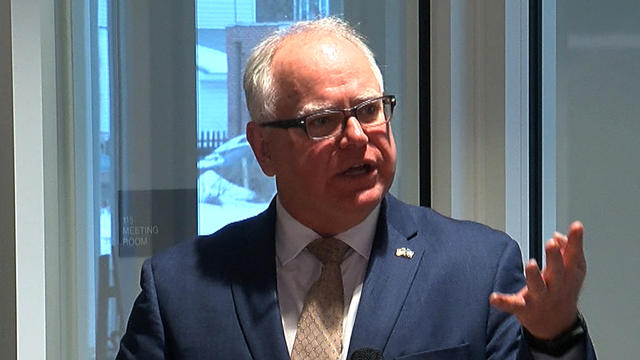
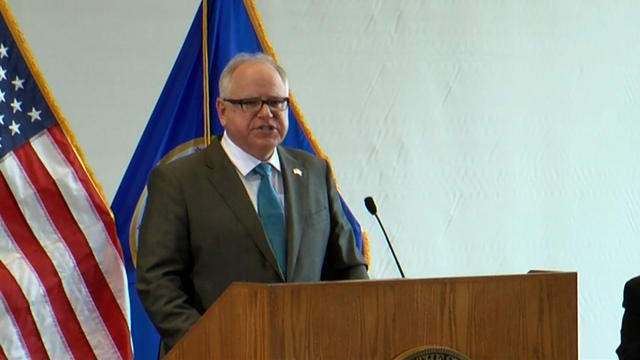
Minnesota Gov. Tim Walz has issued an executive order directing Minnesotans to stay at home for two weeks in response to the coronavirus (COVID-19) pandemic Wednesday afternoon.
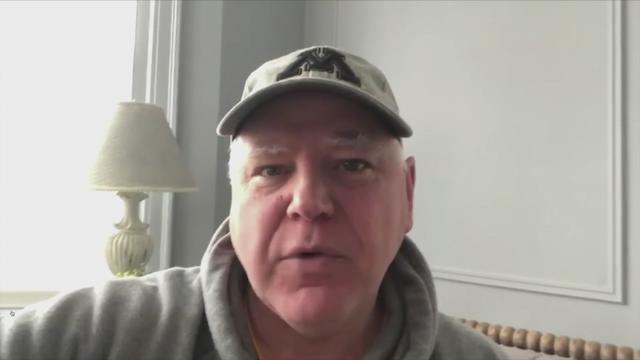
Walz offered a glimmer of hope, saying Minnesota's efforts to flatten the curve and reduce the number of new cases is paying off.
"I'm using this as an opportunity to lead by example. Though I'm feeling healthy and not showing any symptoms, I'm going to work from home," Walz said.

Gov. Tim Walz said Friday he's prepared to order Minnesotans to "shelter-in-place" if it becomes necessary.

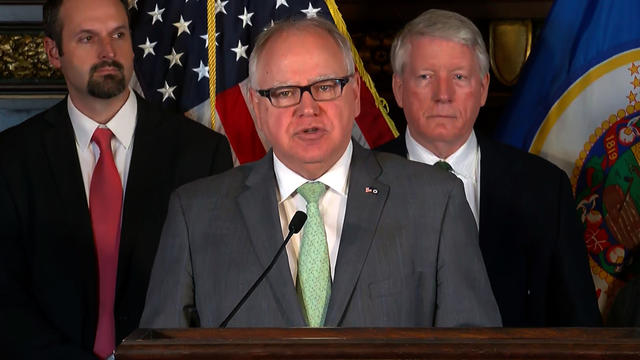
"I certainly think it is a possibility," Walz said in an interview on WCCO Radio on Friday morning. "We have to have every tool in the toolbox."

"Every Minnesotan deserves access to health coverage during this uncertain time," Walz said. The enrollment period begins Monday, March 23 and will run through April 21.
Minnesota's COVID-19 testing shortage is so bad that 1,700 samples are now frozen, waiting for results.

On the eve of St. Patrick's Day, arguably the busiest day of the year for O'Donovan's Pub in downtown Minneapolis, staff aren't preparing for a rush of customers. They're trying to figure out what they'll do next.
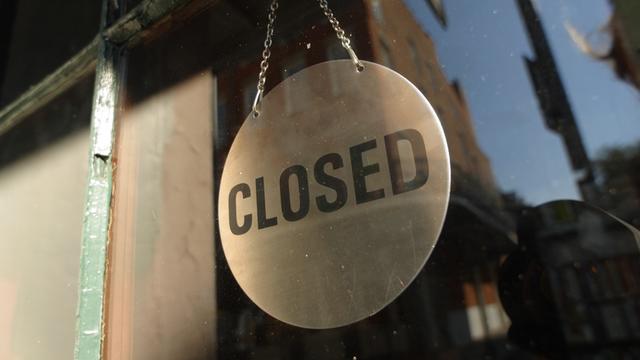
Walz has issued an executive order for all restaurants to close their in-dining options. Only delivery and take-out will be allowed moving forward.
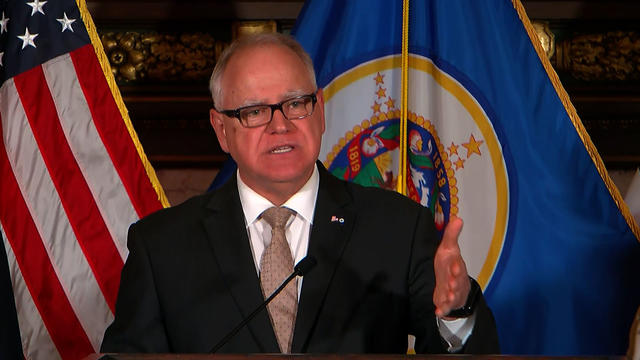
As the number of positive coronavirus (COVID-19) cases in Minnesota climbed into the double digits Friday, Gov. Tim Walz declared a peacetime emergency.
In addition to the $1.2 billion Walz wants to leave unspent from the budget surplus, $2.3 billion in a rainy day fund which would leave Minnesota with $3.5 billion in reserves.

Pence said the general public should refrain from purchasing masks which are needed by medical workers tending to the sick.
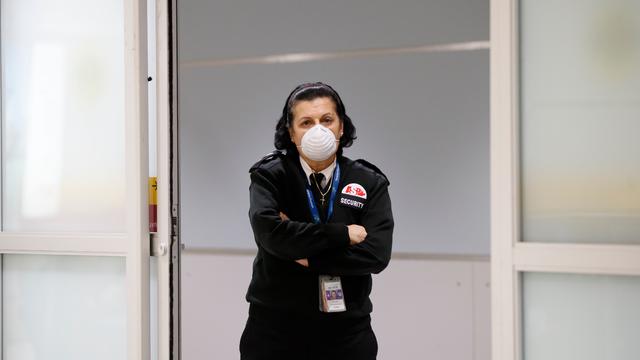
The risk to the public is currently low and state officials urged people not to panic.

Minnesota budget officials say the state's projected surplus is $1.513 billion -- $181 million larger than a November estimate.
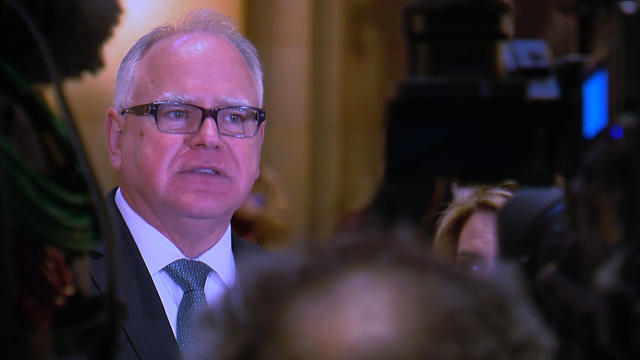
Farming is one of the most dangerous professions in the U.S. At least 10 people have died in farming-related accidents in Minnesota since last June, mostly in grain bin accidents.

The contentious issue could have deep implications for people who live around one of Minnesota's destination fishing areas.
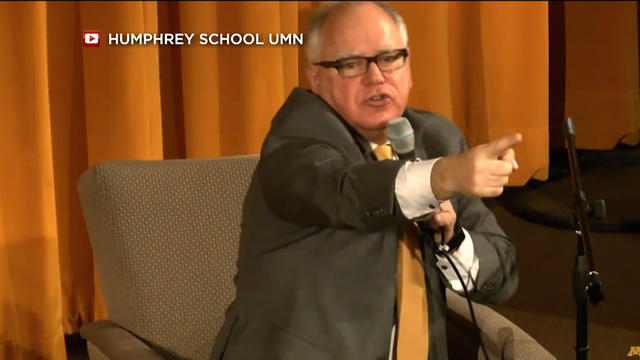
Minnesota Gov. Tim Walz is taking aim at the recycling plant where a fire has been burning since early Tuesday.
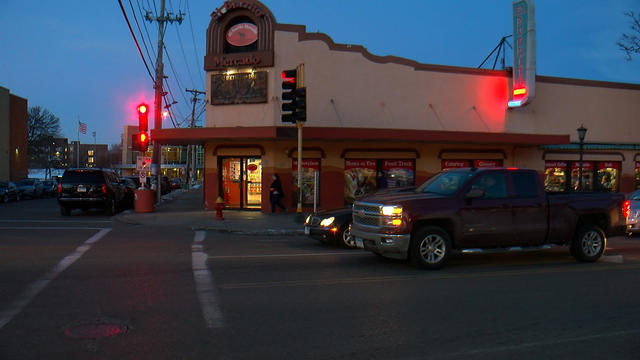
A popular Twin Cities restaurant is focusing on the positive after a traumatic robbery during business hours.
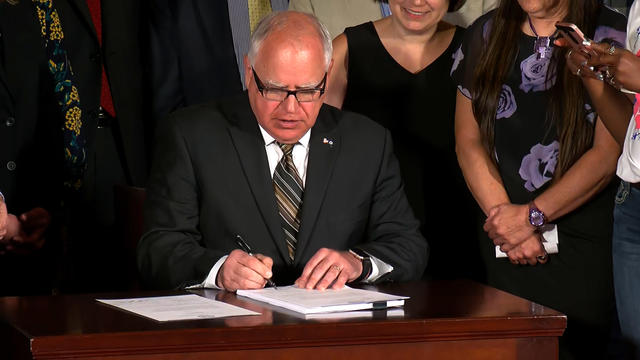
"Fast, reliable broadband access is a critical economic development tool that improves quality of life and makes businesses in Greater Minnesota more competitive," Walz said in a statement.
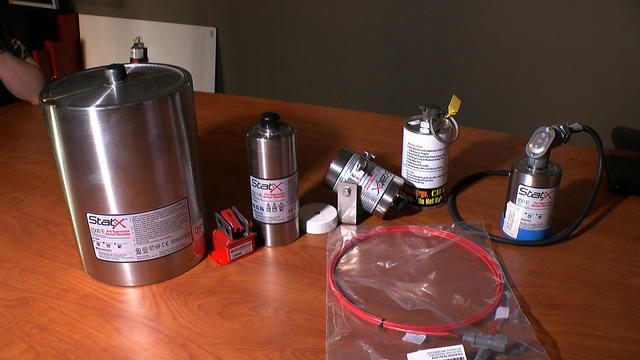
The DOT says a school bus fire happens one to two times every day in the U.S., and close to two dozen people are killed each year.
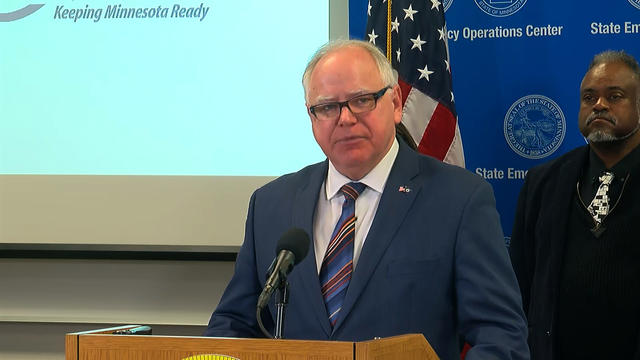
Gov. Tim Walz unveiled Wednesday the final part of his $2 billion bonding bill proposal.

Gov. Tim Walz revealed Monday the fourth pillar of his agenda for the bonding bill, announcing that he wants $488 million for investments in higher education.

The plan targets water treatment facilities, but also claims it will improve climate resiliency by helping the state prepare for extreme weather events.