Why tick season is expected to be worse than normal
The CDC is reporting the highest rate of emergency room visits from tick bites since 2017 in many parts of the U.S.
Watch CBS News
The CDC is reporting the highest rate of emergency room visits from tick bites since 2017 in many parts of the U.S.
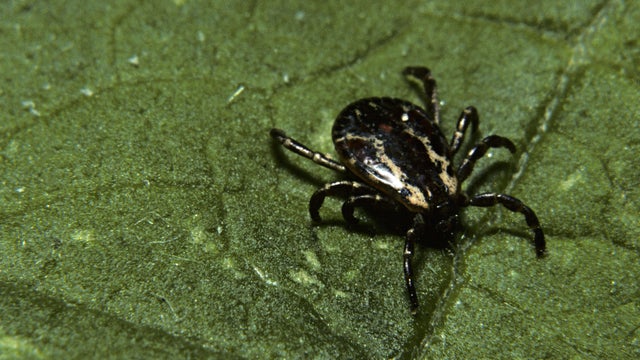
Milder winters mean more ticks survive to the following spring, and a southern species that can trigger a red meat allergy is now gaining ground in Minnesota as a result.
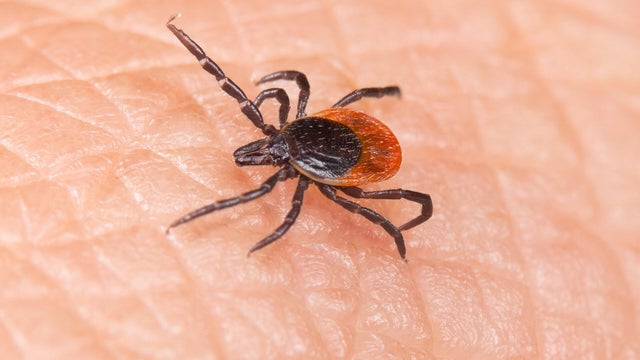
Emergency room visits for tick bites this year are at the highest levels since 2019, especially in the Northeast, according to data from the Centers for Disease Control and Prevention.
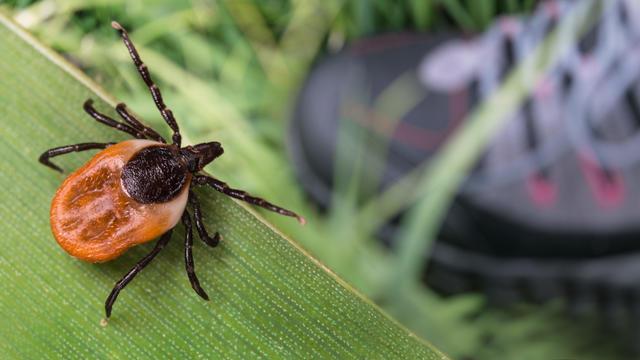
While outside this spring, it's easy to forget about a small biting inconvenience. But May is Lyme Disease Awareness Month, a time to raise awareness about Lyme disease, its symptoms and the importance of tick bite prevention.
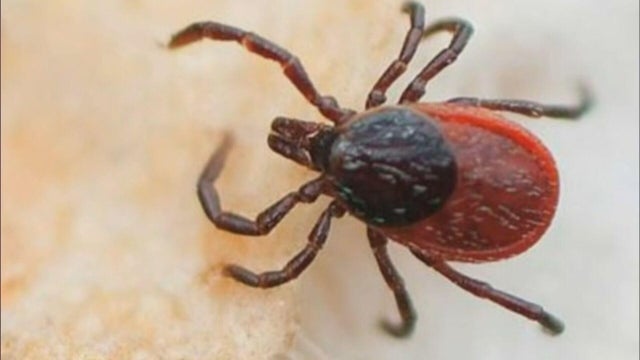
While early predictions have warned of a potential surge in mosquito numbers this summer, some are sounding the alarm on a different bloodsucker – ticks are back in business in parts of Minnesota.
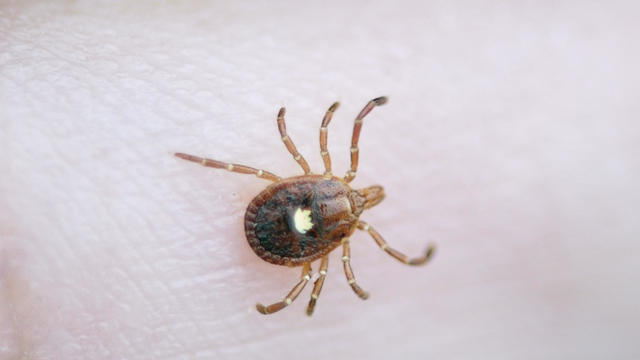
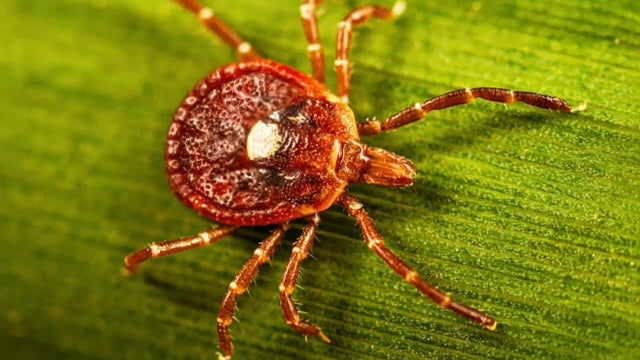
Ticks can spread illnesses like Lyme disease — but there's one species that, when it bites you, could cause a potentially life-threatening allergy, and its numbers are growing in the state.
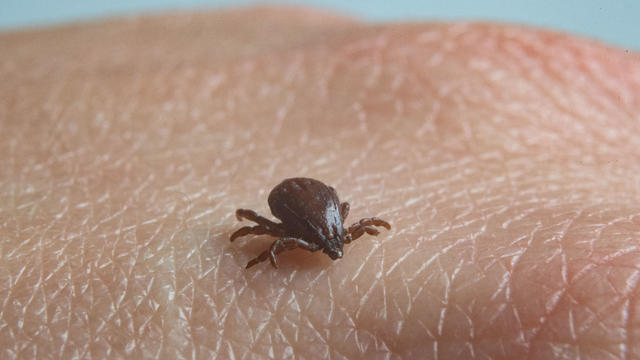
According to the Centers for Disease Control and Prevention, Minnesota is the fifth worst state for tick-borne illnesses. But after the mild winter the state just saw, ticks could get much worse than usual.
Tick season may be extending due to the milder temperatures we've seen this winter.
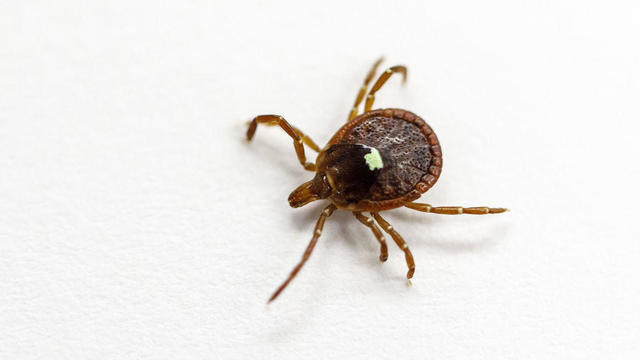
Human-influenced climate change is making many impacts across the upper Midwest, but one might have you itching to check yourself for ticks.
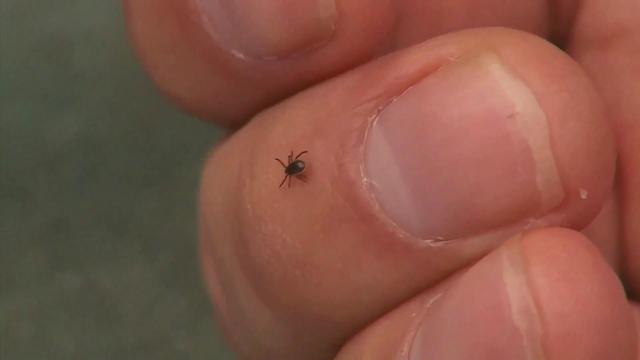
Babesiosis is a disease caused by parasites that attacks red blood cells and is spread by deer ticks.

More time outdoors can mean a higher danger of tick bites — including the risk of a tick-borne illness that causes an allergy to red meat called alpha-gal syndrome.