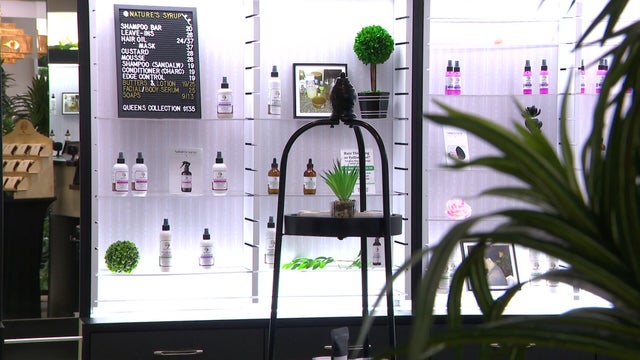
New exhibit highlights how skin helps all species survive, thrive
A new exhibit at the Science Museum of Minnesota in St. Paul is putting skin under the spotlight.
Watch CBS News
A new exhibit at the Science Museum of Minnesota in St. Paul is putting skin under the spotlight.
Government scientists say infection rates from drug-resistant "nightmare bacteria" have been increasing dramatically.
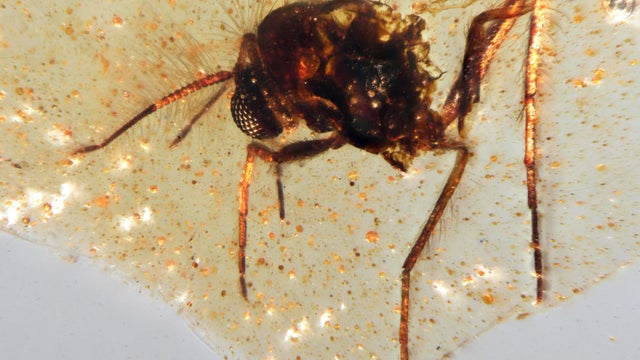
Scientists have discovered prehistoric insects preserved in amber in South America for the first time.

A deer hunter has discovered a rare subtropical wood stork in the wilds of Wisconsin.

Scientists say they found more than a dozen different types of a mold that can infect your plants. Adam Del Rosso explains why our soggy summer isn't helping.

Flyers who faced the unthinkable are now on their way across the Atlantic. Passengers tell WCCO the turbulence that forced the emergency landing at MSP International left people with injuries ranging from whiplash to broken bones. We're learning rough flights like this could be a growing trend. Ubah Ali joins us to explain why climate scientists say turbulence could be increasing.

The University of Minnesota is known for making great strides in research. Dr. Branden Moriarity joins Susan-Elizabeth Littlefield on WCCO Sunday Morning at 7 a.m. to share a big announcement.

The employee's union said this is the third time the museum has cut jobs in the last three years and blasted the move by the museum, saying, “Workers and museum goers who bring the Science Museum to life every day deserve respect, stability, and a voice in this process."

Kitchen Pantry Scientist Liz Heinecke offers up some brain science.

The universe is poised to die much faster than previously thought, according to new research by Dutch scientists.

A Wisconsin man has been bitten by snakes hundreds of times, and scientists are studying his blood to treat snakebite.
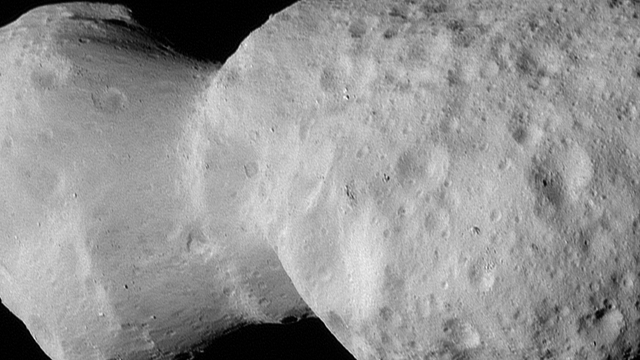
This asteroid is bigger than scientists anticipated, about 5 miles long and 2 miles wide at its widest point — resembling a deformed peanut.

Thanks to a mouse watching clips from "The Matrix," scientists have created the largest functional map of a brain to date.

WCCO first learned about SynerFuse in 2023 after a patient shared her chronic pain journey and the successful results a year after the surgery.

The first day of spring, also known as the vernal equinox, has arrived in the Northern Hemisphere on March 20, 2025.

National Pi Day is recognized today in the U.S. and around the world. Here's what to know about the quirky holiday, and how to celebrate.
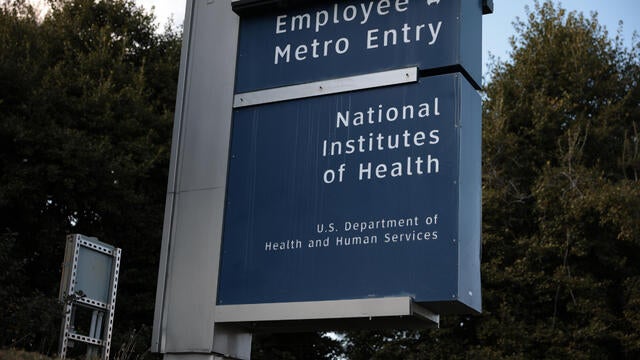
A federal judge is preventing the Trump administration from drastically cutting medical research funding.

The event helps students develop their critical thinking, teamwork and project planning skills.

No matter the age, there's one school subject that just doesn't add up for many people, and trying to solve it can bring nerves and even fear.

"An asteroid this size impacts Earth on average every few thousand years and could cause severe damage to a local region," the European Space Agency said.

The Bakken Museum in South Minneapolis allows people to learn about the awkward and sometimes painful feeling.

Engineers are hoping to turn an accidental discovery of helium on the Iron Range into a plant that will extract the gas and store it on the surface.

There are a new crop of 20-somethings with an impressive new title. They are the Forbes' 30 Under 30, including the likes of Caitlyn Clark. One of those other impressive young people happens to work at the University of Minnesota. Here’s the story of Dr. Angeline Dukes.

Solar storms may bring northern lights to several states in the northern U.S. just in time for New Year's Eve, but cloud cover may put a damper on festivities.

A northern Minnesota woman is being praised for rescuing not one, but two owls on the same day and in two different locations.