Coast Guard Begins Icebreaking On Great Lakes
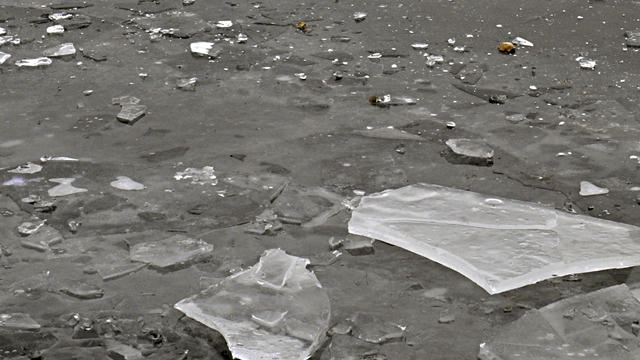
The U.S. Coast Guard has begun ice breaking operations in response to colder temperatures and ice growth in the western Great Lakes region.
Watch CBS News
The U.S. Coast Guard has begun ice breaking operations in response to colder temperatures and ice growth in the western Great Lakes region.

The MacArthur Lock is closing for the winter as the Great Lakes shipping season winds down.

Five states asked the U.S. Supreme Court on Wednesday to hear their plea for quicker federal action to prevent Asian carp and other invasive species from moving between the Great Lakes and Mississippi river watersheds.
A report from the U.S. Department of Agriculture says farmers are cutting back significantly on the amount of soil and nutrients eroding from fields to the Great Lakes and neighboring waterways.

Environmental Protection Agency chief Lisa Jackson says the Obama administration will target nine polluted harbors for accelerated cleanups under a program to heal the ailing Great Lakes.

At a time when many federal programs are fighting for survival, money still flows to a long-sought Great Lakes cleanup.
A newly released report says mercury levels in the Great Lakes region generally have dropped over the past four decades, although concentrations in some fish and bird species have increased more recently.

Federal officials promised Friday to improve two crucial weapons in the fight to prevent Asian carp from invading the Great Lakes: an electric fish barrier near Chicago and an early-warning system that detects carp DNA in waterways.

The U.S. Army Corps of Engineers says it's turning up the juice in an electrical barrier network to better prevent migration of Asian carp and other species between the Great Lakes and Mississippi River watersheds.
Six attorneys general in the Great Lakes region called for a multi-state coalition Wednesday that would push the federal government to protect the lakes from invasive species such as Asian carp by cutting off their artificial link to the Mississippi River basin.
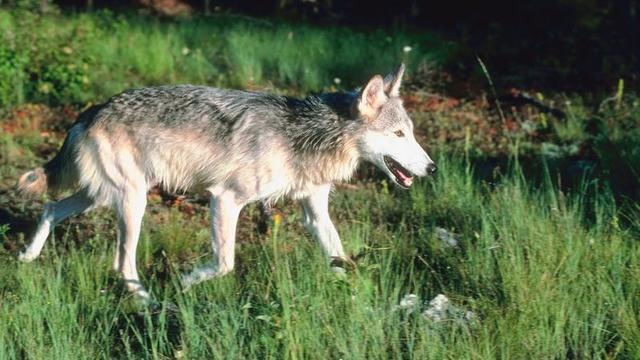
The U.S. Fish and Wildlife Service is giving the public additional time to comment on a plan to drop gray wolves in the western Great Lakes region from the federal endangered species list.
A new University of Michigan project will help city leaders in the Great Lakes region plan for dealing with climate change.
Researchers have conducted a large-scale test of a new system to kill invasive species hiding in the ballast water of Great Lakes freighters and expect to get test results back next month.
An environmental coalition has awarded $115,000 in grants to nine groups for Great Lakes restoration projects.

Great Lakes states are making slow progress toward implementing a compact to protect the region's waters but have fallen short on conservation measures that are essential for the long-term health of the nation's largest freshwater system, environmental groups said Tuesday.
The U.S. Fish and Wildlife Service hosts a public meeting in northern Minnesota on Tuesday night on its latest proposal to take the gray wolf off the endangered species list Minnesota, Wisconsin and Michigan.
The story of the Great Lakes might be better if it didn't include a chapter on invasive species -- critters such as sea lampreys, quagga mussels and gobies that are creating economic and ecological harm across the region.
Federal and state officials are beginning a series of projects to pinpoint how close Asian carp are to the Great Lakes and reduce their numbers in Chicago-area waterways near Lake Michigan.

A Minnesota House committee has eliminated funding to rebuild a dam that officials say is the best option for stopping the spread of invasive Asian carp into many of the state's northern lakes.
Five high school students are teaming up with scientists and historians this month to study a shipwreck in Lake Huron's Thunder Bay National Marine Sanctuary.

Members of the Ojibwe tribe -- mostly from Minnesota -- are walking from the Mississippi Gulf Coast to Lake Superior to focus attention on how pollution is affecting the world's water supplies.
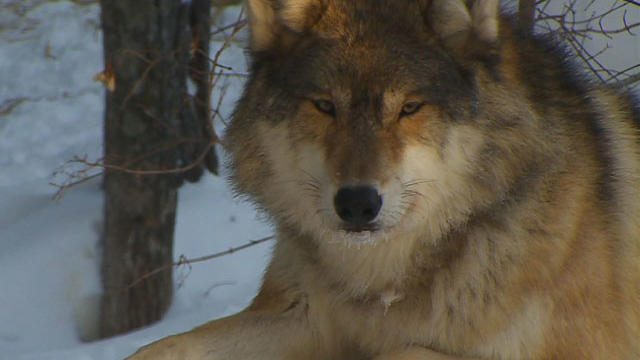
The U.S. Fish and Wildlife Service said Friday it would try again to drop wolves in the western Great Lakes region from the federal endangered species list, although courts have overruled previous attempts.
The U.S. Army Corps of Engineers says it might need to increase the voltage on the electric barrier built to keep Asian carp out of the Great Lakes.

A recently released cookbook offers recipes from chefs in the Great Lakes region on how to prepare whitefish caught in the lakes.
A U.S.-Canadian report says parts of the Great Lakes are suffering from excessive nutrients such as phosphorus, which promote growth of algae blooms that can damage ecosystems and human health.