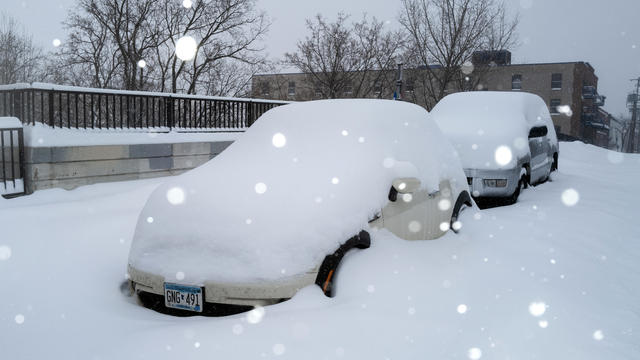
When will the Twin Cities see its first snowfall?
The earliest snowfall in the Twin Cities was Sept. 24, 1985 — coming in a fourth-tenths of an inch. The latest first snowfall was on Dec. 3, 1928.
Watch CBS News
The earliest snowfall in the Twin Cities was Sept. 24, 1985 — coming in a fourth-tenths of an inch. The latest first snowfall was on Dec. 3, 1928.
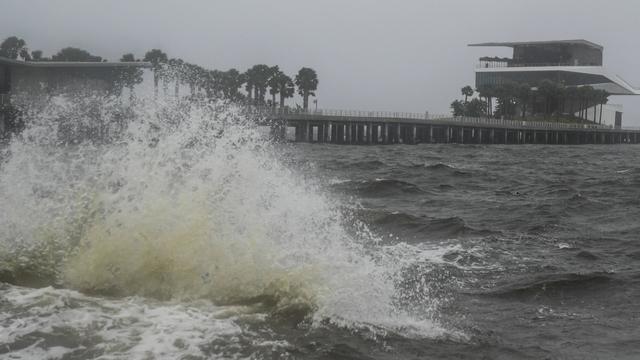
As the Southeast contends with hurricanes and the West with wildfires, the Upper Midwest has been hammered with billions in hail storm damages in recent years.
Analysts say Hurricanes Helene and Milton and the devastation in the southeast should serve as reminders for Minnesotans: weather patterns are changing in the upper Midwest, too.
Analysts say Hurricanes Helene and Milton and the devastation in the southeast should serve as reminders for Minnesotans: weather patterns are changing in the upper Midwest, too.
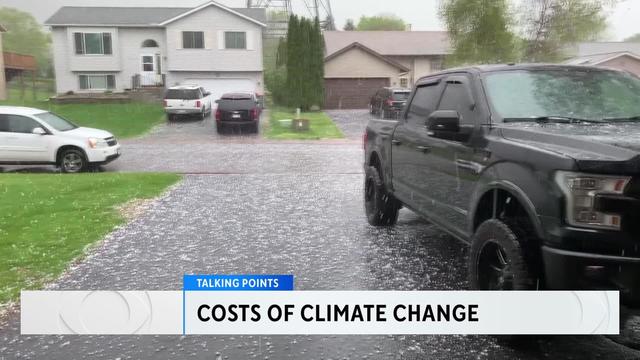
Analysts say Hurricanes Helene and Milton and the devastation in the southeast should serve as reminders for Minnesotans: weather patterns are changing in the upper Midwest, too.
Nearly 20% of Minnesota is facing severe drought conditions due to the jet stream and climate change, according to the National Weather Service.
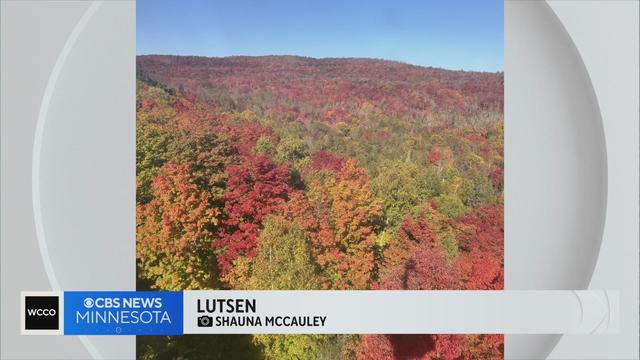
We've all been waiting for the leaves to change, and it turns out climate change is our fall colors.

According to a climate opinion poll, 53% of Minnesotans say a presidential candidate's view on global warming is important to their vote, and 64% say developing clean energy should be a priority for the president and Congress.
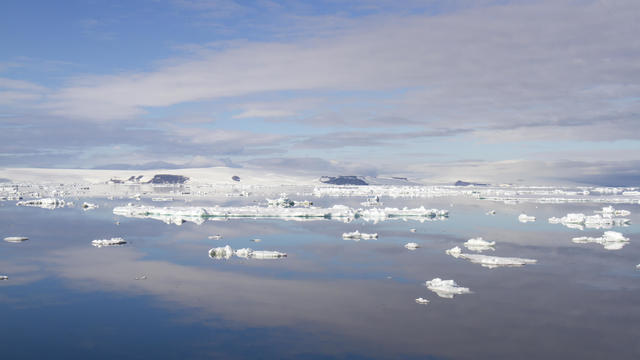
Scientists from the International Thwaites Glacier Collaboration warn of a "grim outlook" for the Thwaites Glacier, also known as the "Doomsday Glacier."
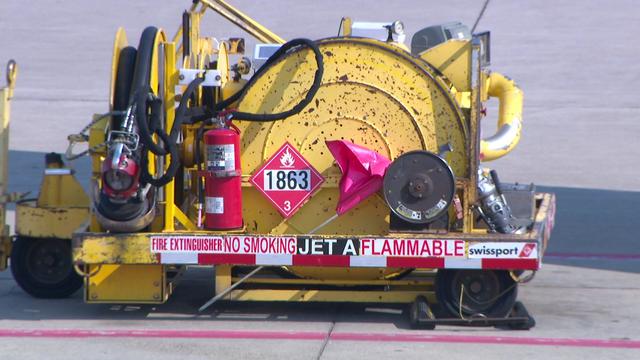
SAF is a safe and certified alternative jet fuel that can reduce lifestyle carbon emissions by 80%. But with the industry in its infancy, there isn't enough of it being produced right now to fuel the world's airline for a single week.
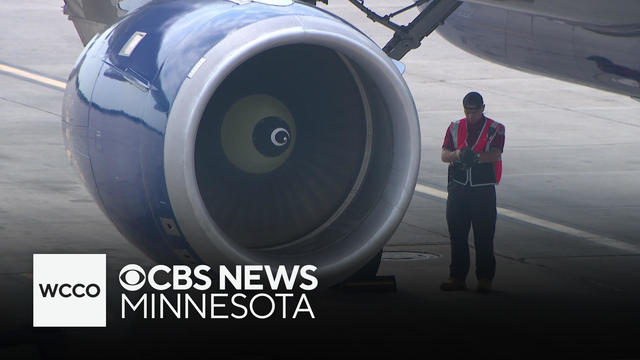
Minnesota is a focal point in the movement to produce an alternative to jet fuel that can reduce lifestyle carbon emissions by 80%.
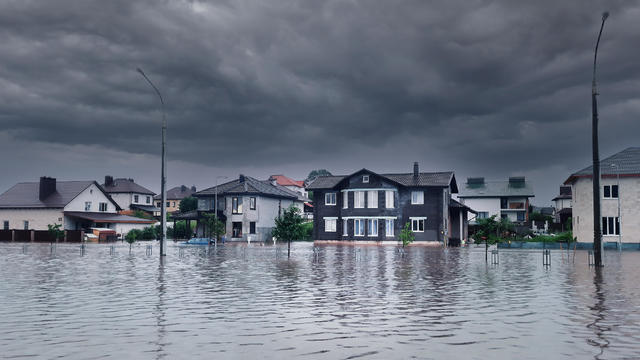
As climate change whips up wilder weather, more Americans must deal with "hazards they have not faced in the past," expert says.
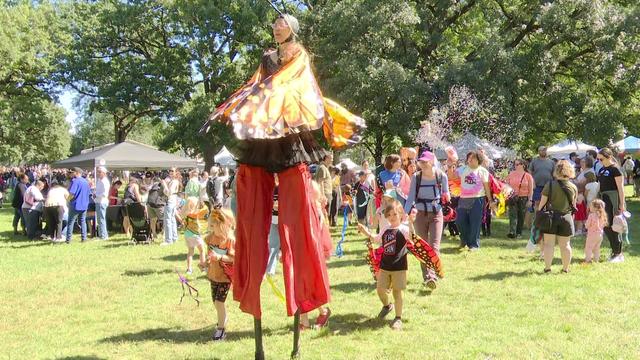
An annual celebration of the monarch butterfly takes place in September, but the butterfly population has dropped over the years.
Tina Kraus shares the temperature tracking that shows just how much the planet is warming.
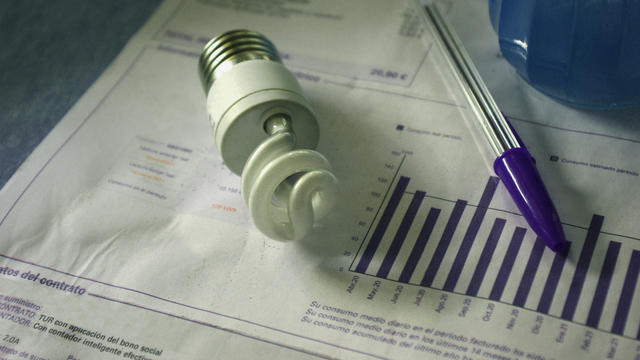
U.S. energy infrastructure has proven to be problematic as-is, and threats to its reliability are growing. Experts say there's a solution.
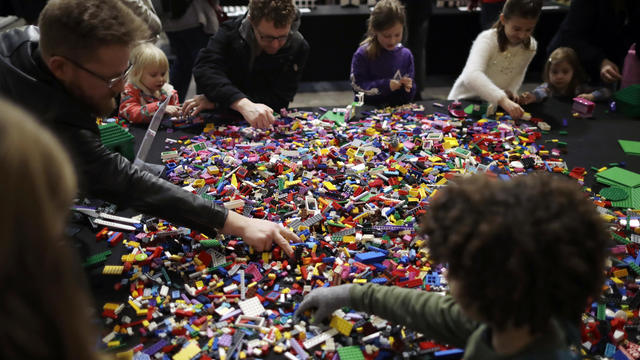
The legacy toy company is increasing the certified renewable or recycled materials that go into its bricks in an effort to reduce its reliance on fossil fuels.
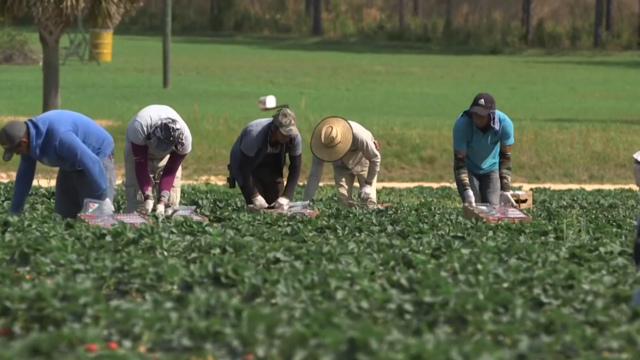
While five states have laws in place protecting workers from excessive heat, for decades there have been no federal protections.

A partnership four years in the making, the National Oceanic and Atmospheric Association is teaming up with United Airlines to monitor and track greenhouse gases that are admitted into our atmosphere.
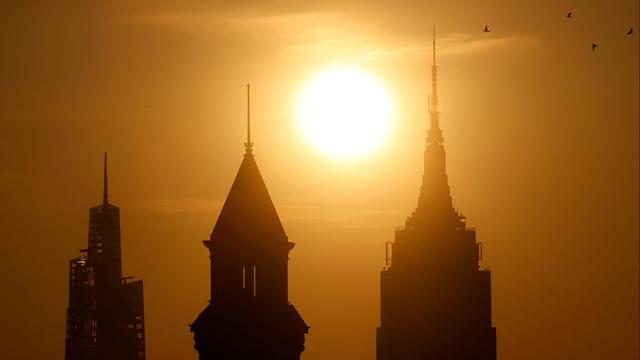
Earth sizzled to its hottest day ever measured by humans Monday, beating a record set the day before, the European climate service Copernicus says.
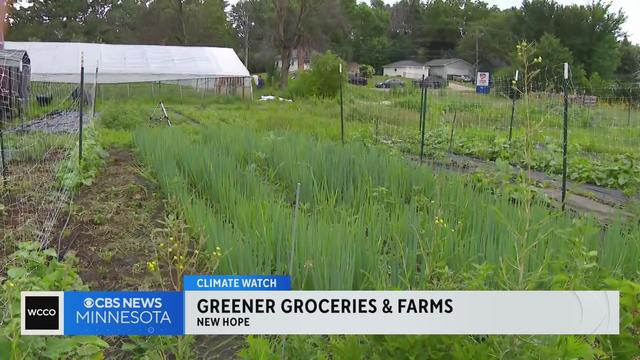
Minnesota is getting a big boost to help our food system go green.
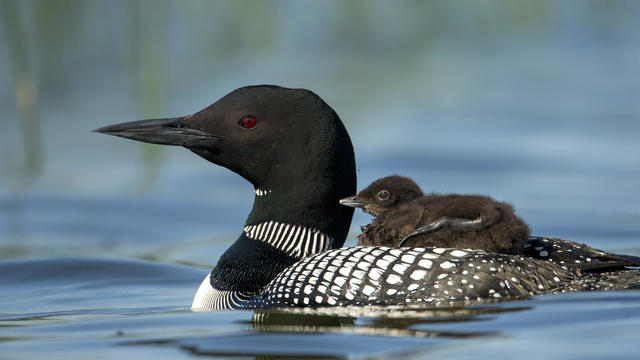
A scientist warns that the effects of climate change could ultimately drive Minnesota's state bird out of the state entirely.
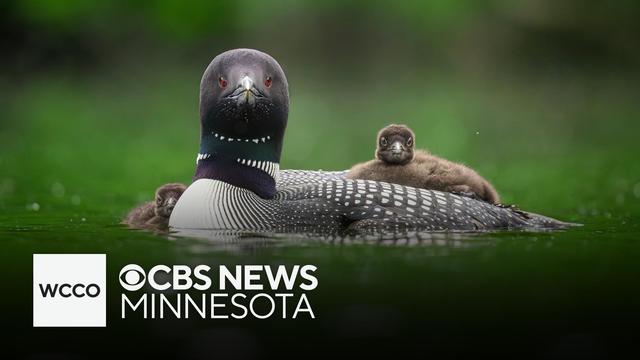
They're icons of the Northwoods. Loons captivate our imaginations and steal our hearts, but they're literally shrinking. WCCO's Erin Hassanzadeh tagged along with researchers to understand what's happening, and what's at stake.
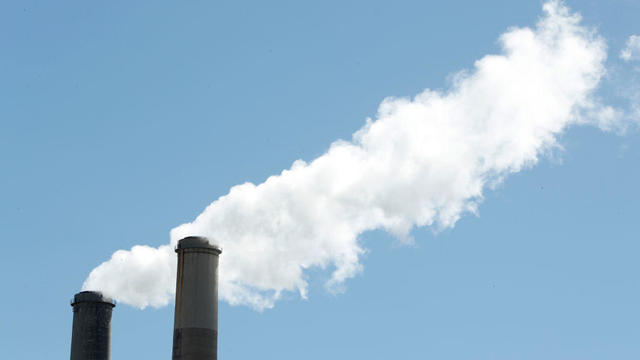
Multiple state and federal agencies are working together following a massive spill of coal ash wastewater from a northern Minnesota energy plant.
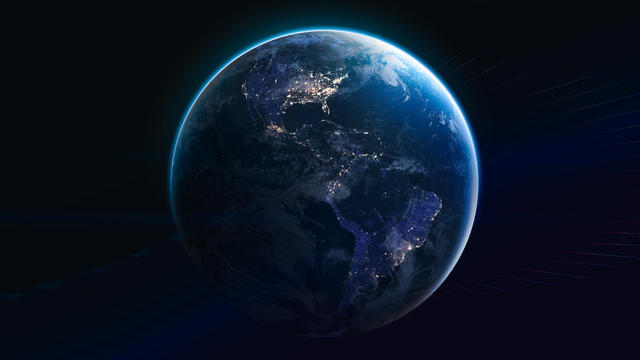
The melting of glaciers and polar ice sheets causes water to move closer to the equator, fattening the planet and slowing its rotation, according to a recent study.
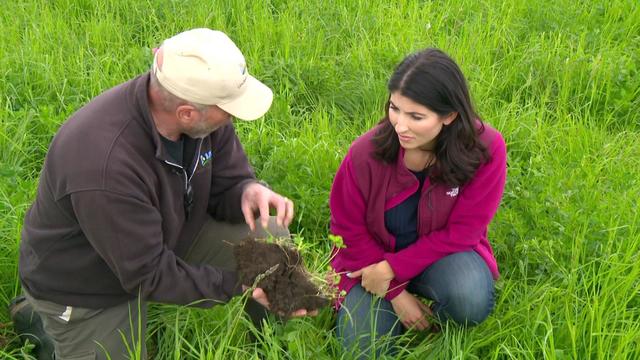
Farmers in Minnesota are in a tough spot. Climate extremes, things like floods and droughts, are hurting production and the state is asking them to cut emissions and do their best to farm sustainably. So what does that look like?