
North Dakota's 6-week abortion bill becomes veto-proof
North Dakota state senators are sending to Republican Gov. Doug Burgum a veto-proof bill that would ban abortion at six weeks of pregnancy, even in cases of rape or incest.
Watch CBS News
North Dakota state senators are sending to Republican Gov. Doug Burgum a veto-proof bill that would ban abortion at six weeks of pregnancy, even in cases of rape or incest.
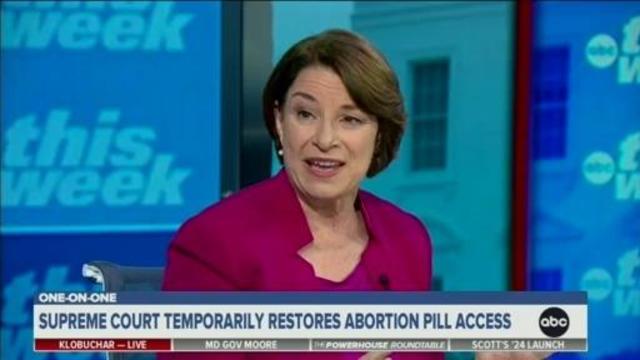
Minnesota's senior senator is weighing in on the debate over mifepristone, a key abortion medication.

Many women feel access to reproductive health care is getting harder, not easier.
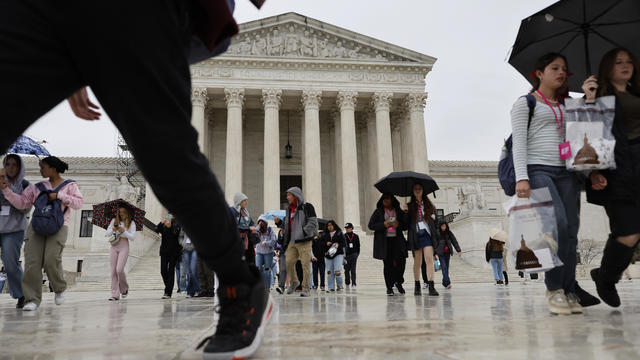
Limits on how late into a pregnancy the drug can be taken, who can prescribe it and how it can be dispensed were set to take effect Saturday at 1 a.m.
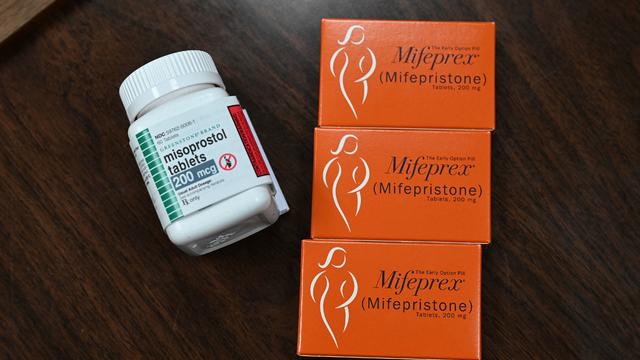
States that are trying to position themselves as safe havens for women seeking abortions could be most affected by the latest court ruling restricting access to an abortion pill.
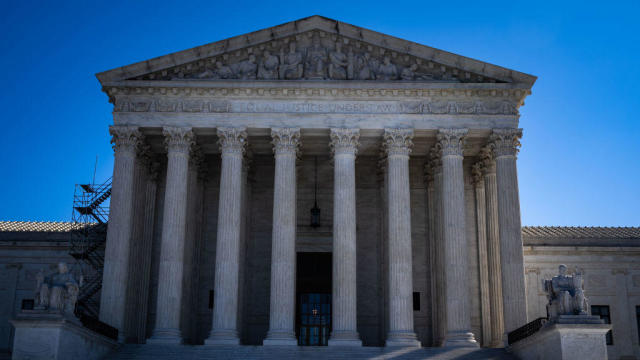
Attorney General Merrick Garland said in a statement the Justice Department "strongly disagrees" with the decision from an appeals court.
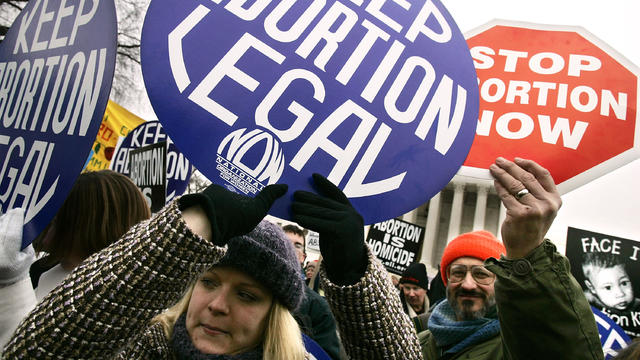
The man accused of firebombing a prominent Wisconsin anti-abortion group's office has pleaded not guilty.

Under the law, anyone performing an abortion after six weeks of pregnancy could be charged with a third-degree felony.
The court maintained access to mifepristone for the time being but is only letting it be dispensed after a doctor's office visit, not by mail, and up to seven weeks into a pregnancy, not 10.
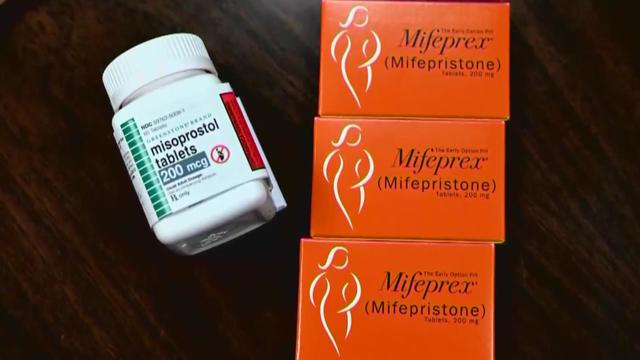
State lawmakers and Gov. Tim Walz spoke out against the ruling, warning it could impact Minnesota even though abortion is legal in this state.
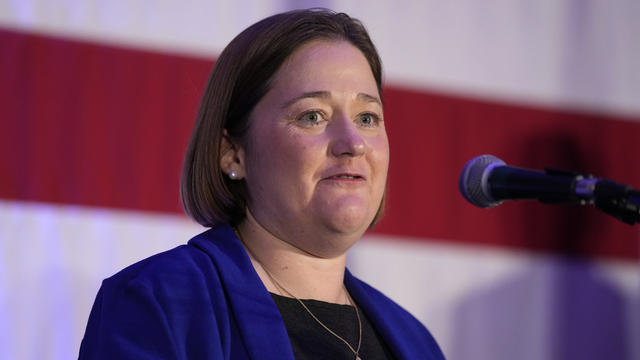
The Iowa Attorney General's Office has paused its practice of paying for emergency contraception - and in rare cases, abortions - for victims of sexual assault, a move that drew criticism from some victim advocates.

The future of the abortion pill mifepristone up in the air as a judge in Texas ruled to strip away its FDA approval – but another federal judge ruled the government can’t restrict access to the drug. CBS News Correspondent Skylar Henry has more on the rival rulings.
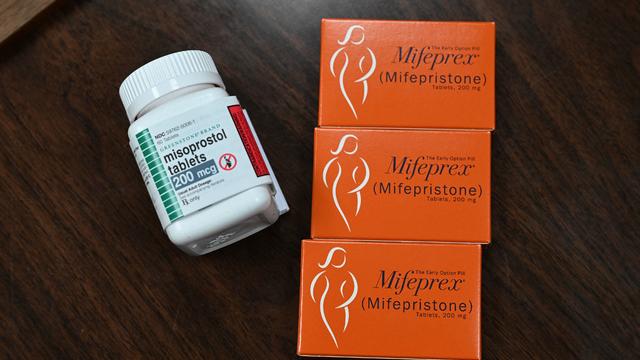
The FDA approved mifepristone more than 20 years ago.

The Minnesota Legislature will return from its Easter-Passover break on Tuesday with a remarkably high number of bills already signed into law.
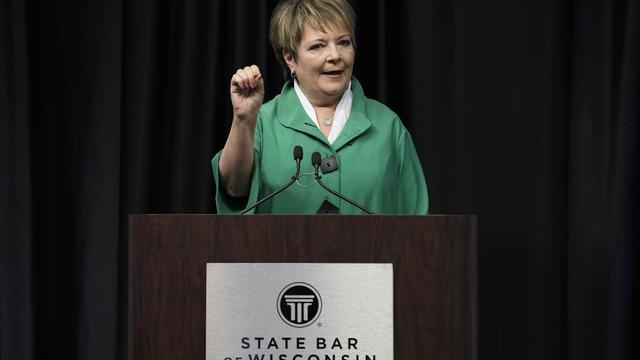
The victory by Democratic-backed candidate Janet Protaswiecz in Wisconsin's state Supreme Court election is a fresh example of the enduring political power of abortion rights in the wake of Roe v. Wade's reversal.

An anti-abortion group sued the city of Minneapolis on Wednesday to overturn an ordinance that prohibits the obstruction of entrances and driveways to abortion clinics, saying it's an unconstitutional violation of free speech and freedom of religion.
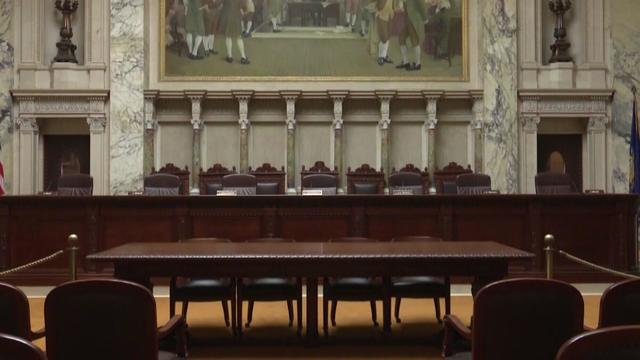
Democratic-backed Milwaukee County Judge Janet Protasiewicz defeated conservative former Justice Daniel Kelly in the Wisconsin Supreme Court election Tuesday, tipping the balance of power on the state's highest court to a liberal majority for the first time in 15 years.
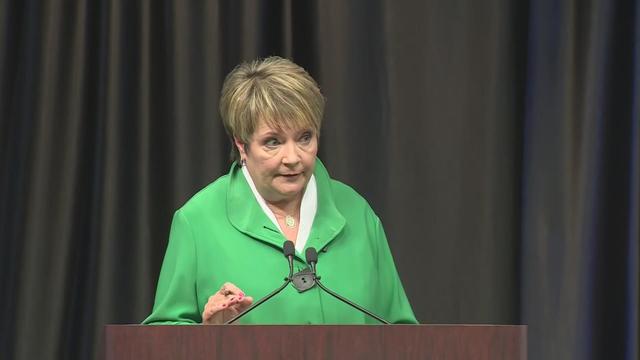
The winner of a closely-watched race in Wisconsin could decide the future of abortion access in that state.
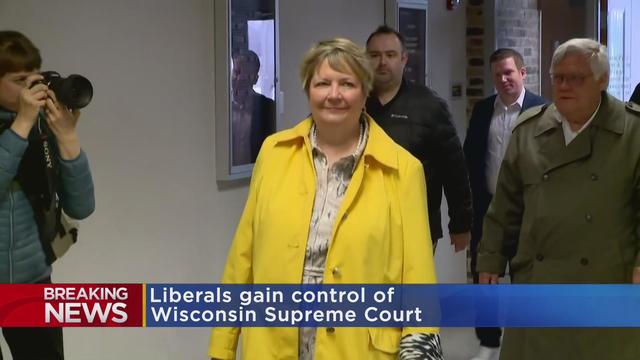
The Associated Press projects Janet Protasiewicz will secure a seat on Wisconsin's high bench, giving liberals the majority on the court for the first time in 15 years.
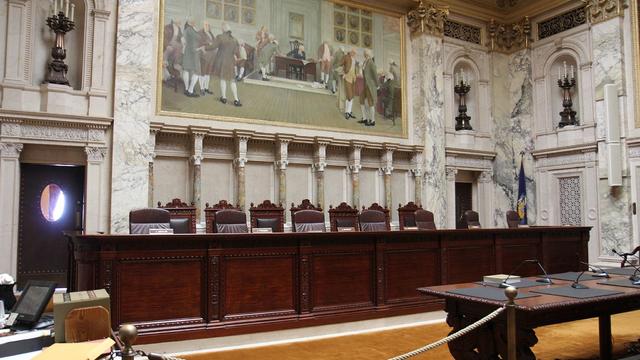
The race attracted national attention because of its implications for the 2024 election, abortion access and voting laws.

Spending on the high stakes Wisconsin Supreme Court race has topped $42 million, nearly triple the previous record-high nationwide for a court race.
The fate of abortion access in battleground Wisconsin likely rests with Tuesday's outcome of the heated race for state Supreme Court that became the most expensive contest of its kind in U.S. history.

The Minnesota Court of Appeals on Monday rejected an attempt by the Traverse County prosecutor to appeal a judge's decision last year that threw out most of the state's restrictions on abortion as unconstitutional.
It's the first of its kind in the nation and covers cases where parents haven't given their consent. Among other things it seeks to restrict travel by creating the crime of "abortion trafficking."

North Dakota schools would be required to show students high-quality video of how a human fetus develops in each week of pregnancy under a bill that Senate lawmakers have approved.