Quigley to visit Chicago's cultural institutions part of climate tour
The two-day tour starts at the Morton Arboretum this morning, with stops at the Field Museum and Shedd Aquarium Thursday afternoon.
Watch CBS News
The two-day tour starts at the Morton Arboretum this morning, with stops at the Field Museum and Shedd Aquarium Thursday afternoon.
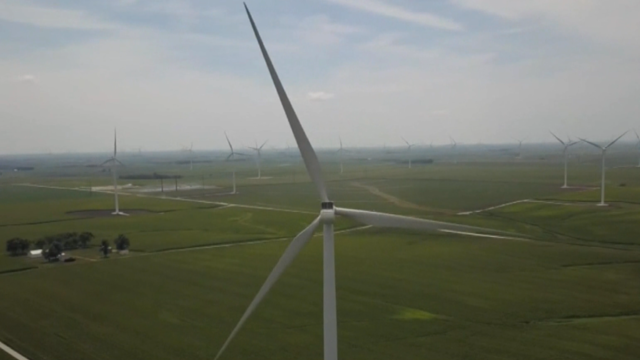
It's been one year since the passage of the biggest climate legislation in U.S. history and most Americans don't really know about it. The Inflation Reduction Act invests in clean energy as one of its top priorities. Mark Hertsgaard, a journalist and founder of "Covering Climate Now," joined Brad Edwards on the stream to talk about the impact of the legislation.
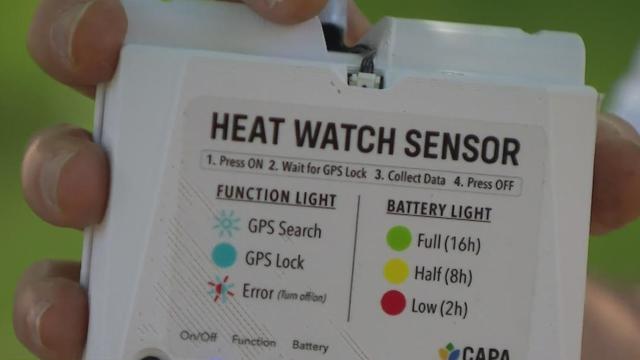
On what was a scorcher of a day, Chicago residents know that living by Lake Michigan can help with cooling off. But not everyone feels that cool breeze. In fact, depending on where residents live, they may be hotter than other parts of the city. CBS 2 Investigator Megan Hickey reported on how researchers have found ties between high heat vulnerability and disadvantaged communities.
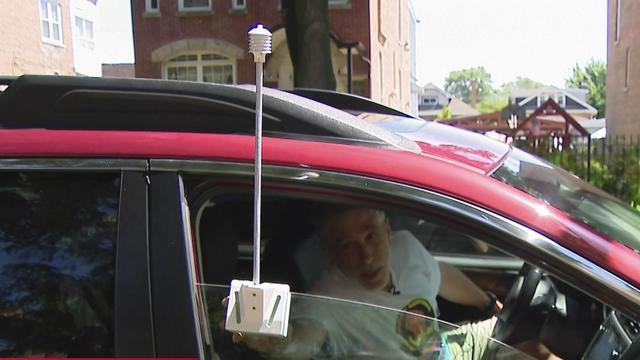
On what was a scorcher of a day, Chicago residents know that living by Lake Michigan can help with cooling off. But not everyone feels that cool breeze. In fact, depending on where residents live, they may be hotter than other parts of the city. CBS 2 Investigator Megan Hickey reported on how researchers have found ties between high heat vulnerability and disadvantaged communities.
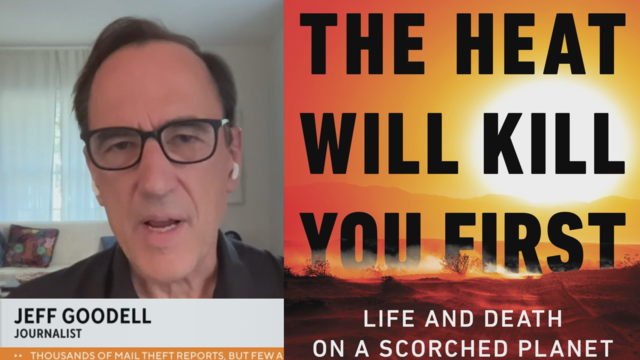
The UN Chief has declared that the world has left the era of "global warming" and now is in "global boiling" Rolling Stone Journalist and author of "The Heat Will Kill You First: Life and Death on a Scorched Planet" joined the stream to discuss why July has been the hottest month in recorded human history. In his book, Goodell examines why temperatures are rising so fast and if there is anything to be done to reverse the damage of anthropogenic climate change. "The Heat Will Kill You First" is available right now online and in stores.
Comedian Eddie Pepitone is known for his dark humor, powerful rants and as the "Bitter Buddha." He was part of the New York Time's "Best of Comedy" In 2020. In his new tour, "Slouching Towards Extinction" he does what he knows best, makes people laugh, about humankind's current existential crises. Peptione will be in Chicago July 21 and 22 at the Lincoln Lodge in Logan Square before heading to Wisconsin. Tickets are still on sale.
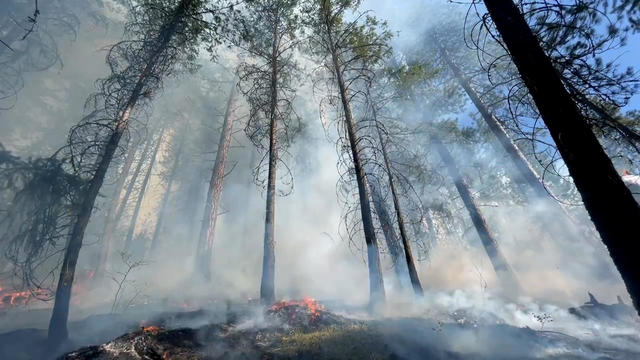
Years of keeping fire out of America's forests led to a buildup of dead trees and brush — fuel for today's larger, hotter, more lethal wildfires.
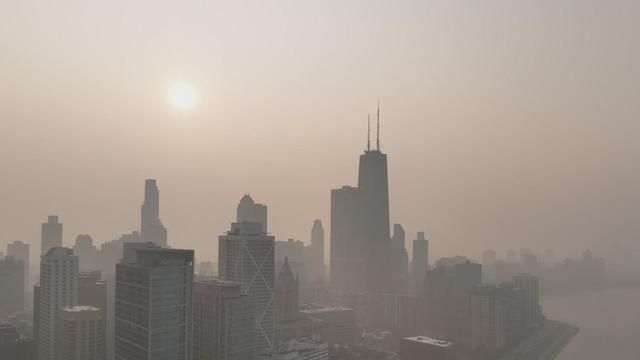
Blue skies peeked through the clouds on Thursday, but recently, that hasn't been the case. In fact, Chicago's air pollution is the worst it's been in more than a decade. The city has seen smokey skies, and at some hospitals, there has been an increase in health issues.
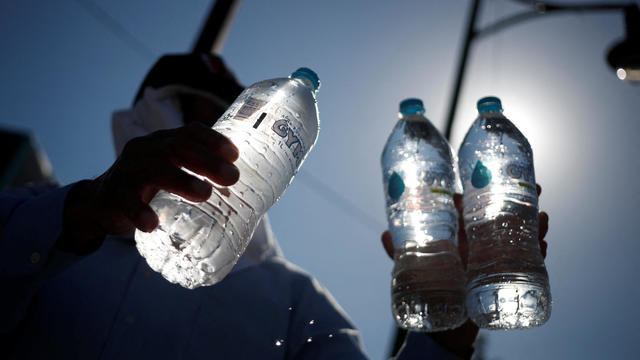
One climate scientist called the marks more "evidence ... that global warming is pushing us into a hotter future."
Preliminary measurements had the mercury topping an average of 62.6 degrees worldwide for the first time since records have been kept, an arm of NOAA says.
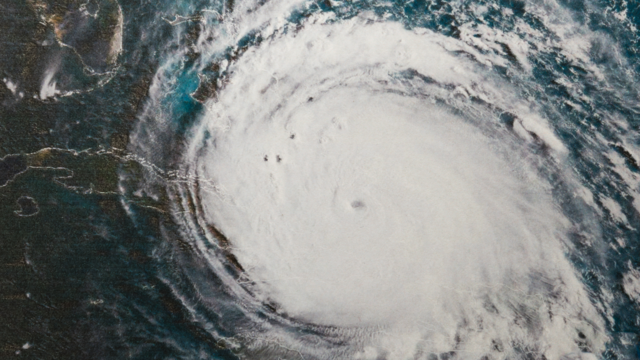
Science tells us there's a connection between hurricanes and climate change. But how strong is it? And what can we expect for the future?
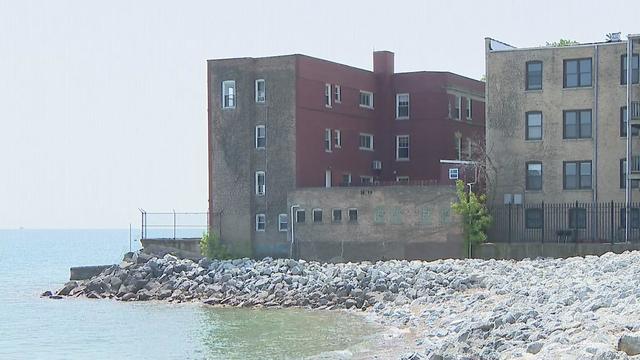
CBS 2's Tara Molina reports new information from the Environmental Law and Policy Center has identified 12 hot spots along Lake Michigan already impacted by changing water levels and storms related to climate change.
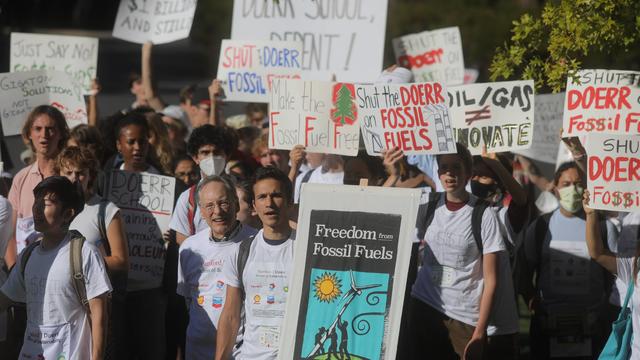
Climate change initiatives by universities sometimes mask their financial ties to Big Oil. Students are demanding change.
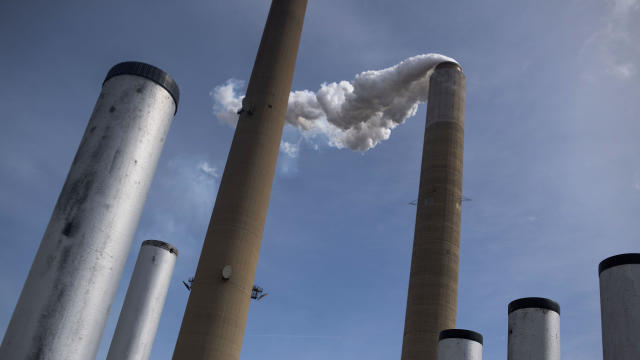
The EPA says implementing the proposed new standard would be comparable to taking about half of all U.S. cars off the road.

Thirty percent of Americans live in a community near a coastline. While those people don't have the power to unilaterally solve the underlying problem of climate change, some communities are now grappling with how to adapt.
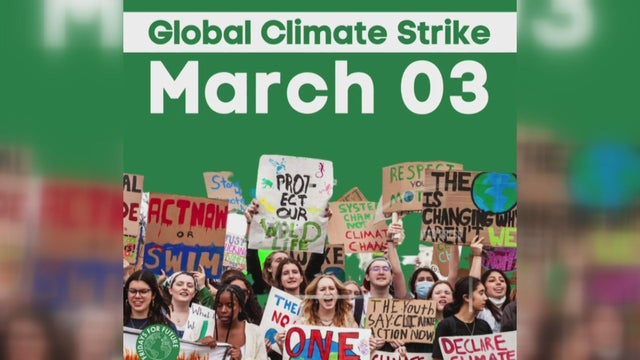
It's one of several climate strikes happening around the world.

Research shows most youth are "extremely worried" about climate change. Kids and young adults who struggle with climate anxiety can perceive they have no future or that humanity is doomed.
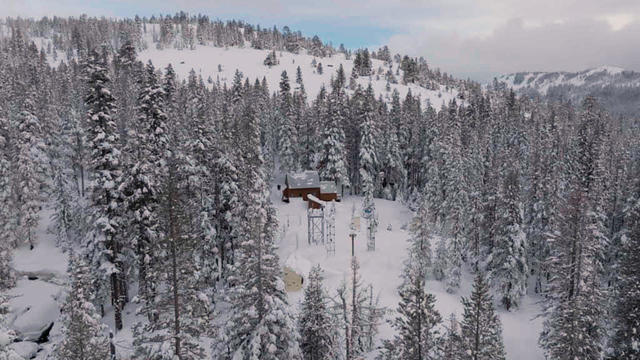
Average winter temperatures across most of the country are on the rise, putting water resources at risk and threatening cold weather culture in the era of climate change.
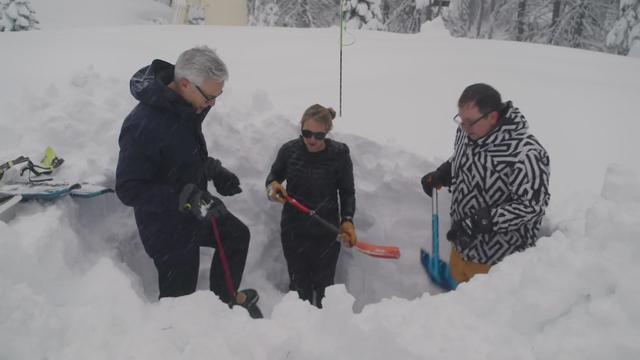
It's been a strange winter; record snow in Buffalo, ice in Texas, a parade of atmospheric river storms in California. In parts of the Northeast and New England, January was one of the warmest months ever, followed by an historic cold snap in February. Winter weather is becoming more erratic, and scientists say it's because winter – overall – is getting warmer. CBS's David Schechter is about to show us how winter whiplash impacts all of us.
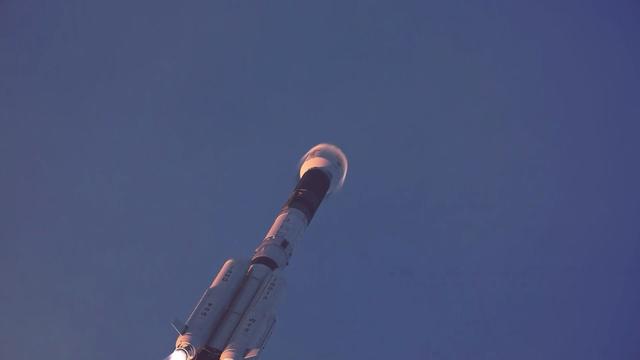
NASA scientists are turning their focus earthward – gathering data on how our planet is changing. CBS News’ Ben Tracy takes us inside the new missions to help us better understand our rapidly warming world.
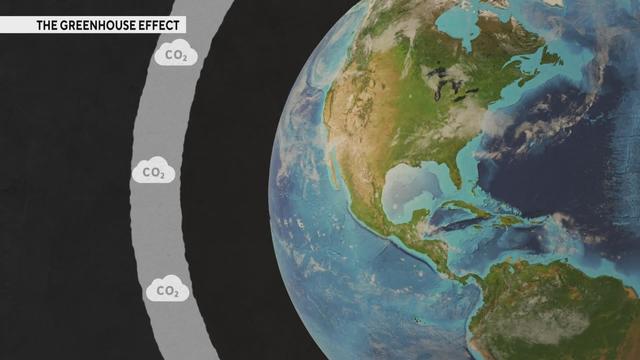
Extreme weather is one of the biggest stories of our time. We spent a lot of time showing you the effects of climate change, but it is also important to talk about the causes. In this edition of The Dot, David Schechter explains the invisible problem of carbon dioxide in the atmosphere.
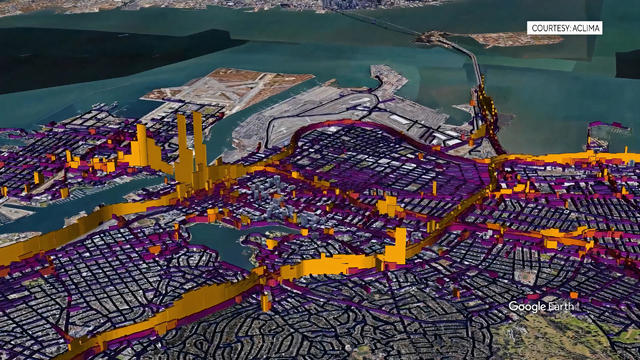
It's one of the most powerful forces warming the Earth, leading to increasingly severe droughts, wildfires and floods. It's also invisible. So how do we see start seeing carbon?
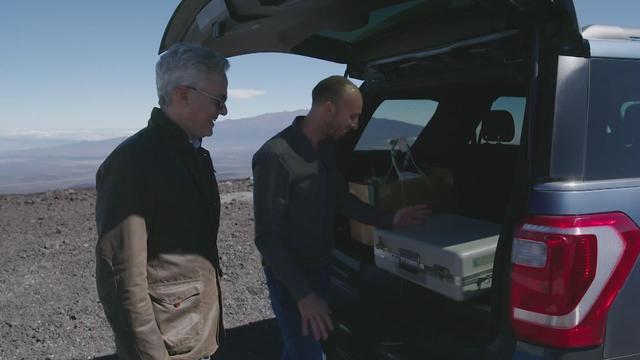
We’re committing more time to understanding climate change, why it’s happening, and how it’s impacting our communities. To do that, we’re going to bring you some unique stories called On the Dot. David Schechter joins us from the San Francisco Bay area.
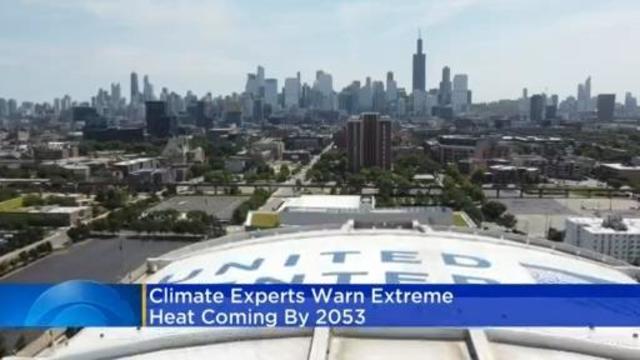
"Stay indoors, work from home, that kind of stuff. If you're not able to do that, you're forced to be exposed more."
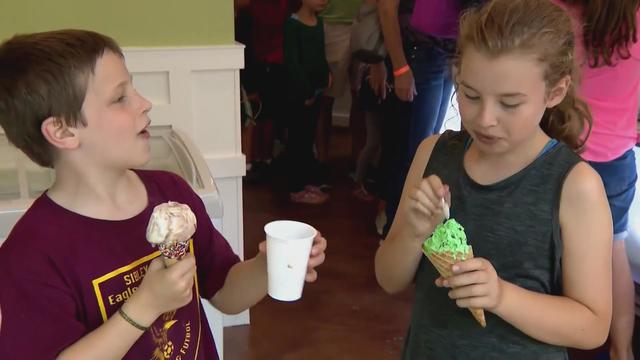
Climate change will soon show up in your freezer. Popular ice cream flavors are now endangered – with the raw ingredients being harder to grow in a hotter world. CBS News’ Elise Preston traveled to Vermont to get the full scoop.