Giving voice to all communities
Giving voice to all communities
Watch CBS News
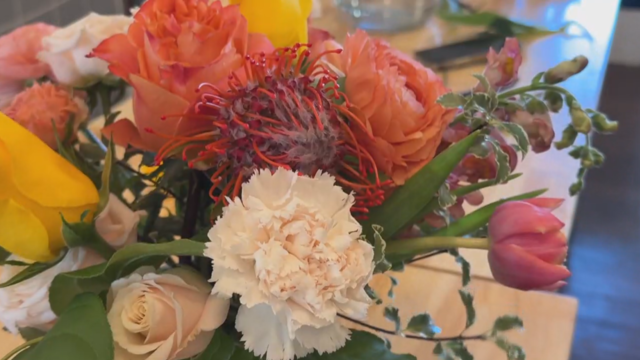
Washday Floral in Harford County, Maryland isn't just a business for Tiffany RuecWashday Floral, in Harford County, Maryland, isn't just a business for Tiffany Rueckert. It's a passion.kert, it's a passion.
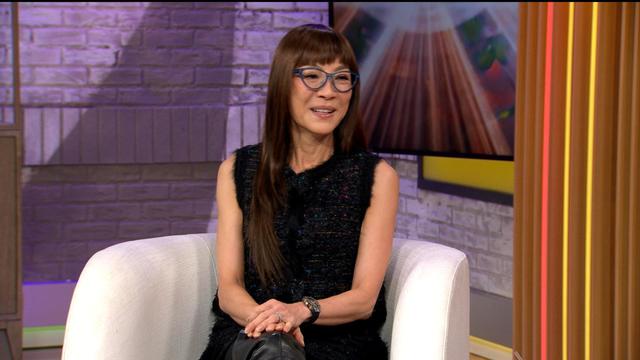
Academy Award winner Michelle Yeoh steps back into the Star Trek universe as she takes on the role of Emperor Georgiou in the new Paramount+ film "Star Trek: Section 31."

Today will be CBS Evening News anchor and managing editor Norah O'Donnell's final night in the anchor chair. She's not going far: She will still be a part of the CBS News family as a senior correspondent. Her reporting these last five years has been hard-hitting, historic and also compassionate and kind.

Gopher senior Khyah Harper is the third Gopher women's soccer player to join the NWSL.
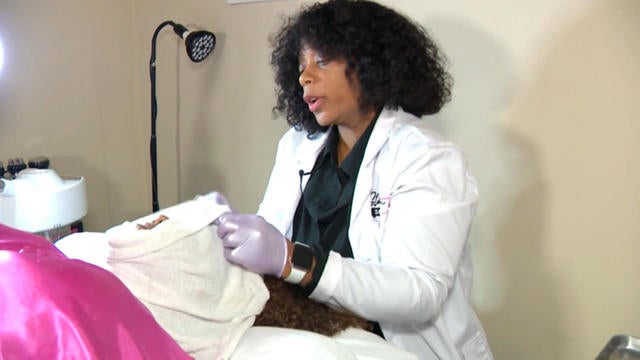
Meet a skin care professional dedicated to pampering those who typically don't get the chance.

Cecile Richards died Monday after battling an aggressive form of brain cancer, her family said in a statement.
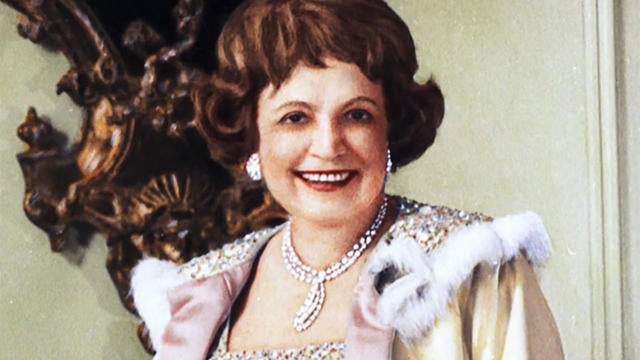
Socialite Perle Mesta used her fortune to host inclusive dinner parties in Washington, D.C., becoming one of the most famous women in the world – "The Hostess with the Mostes' on the Ball."
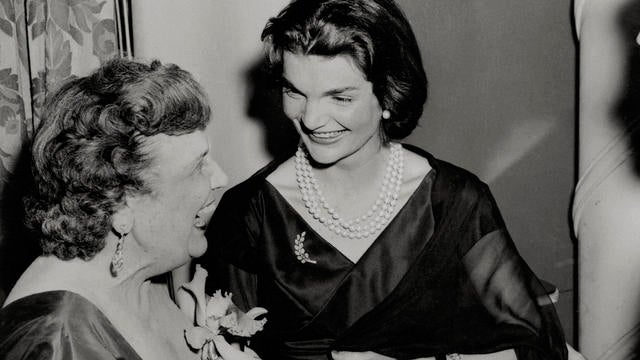
The widow of a steel magnate, socialite Perle Mesta used her fortune to host inclusive dinner parties in Washington, D.C., in the 1940s and '50s, becoming known as "The Hostess with the Mostes' on the Ball" (after Irving Berlin celebrated her in the musical, "Call Me Madam"). Mesta became one of the most famous women in the world, and her influence – on politics and on the social scene – is examined by Meryl Gordon in her new biography, "The Woman Who Knew Everyone." CBS News' Erin Moriarty talks with Gordon; with 99-year-old former journalist Marie Ridder, who attended some of Mesta's parties; and with Washington insider Sally Quinn, who doubts that any power broker today could pull off what Mesta once did so brilliantly: getting Democrats and Republicans to sit down at a dinner table and see eye-to-eye.
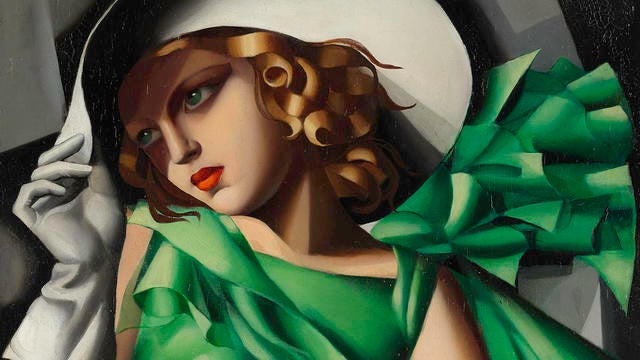
A giant of early 20th century art, whose glamorous figurative paintings of women played an important role in defining Art Deco, is now the subject of her first-ever U.S. retrospective, currently at the de Young Museum of San Francisco.
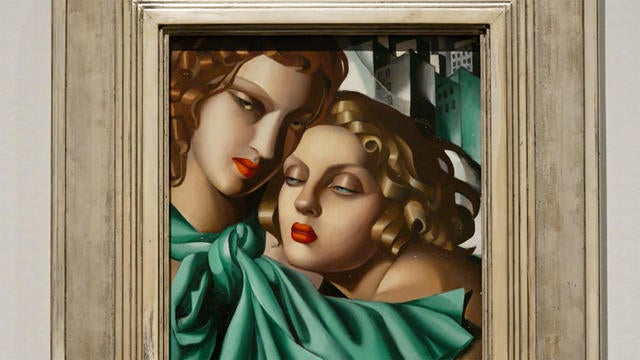
Tamara de Lempicka (1894–1980), one of the giants of early 20th century art, is now the subject of the first-ever U.S. retrospective of her works. Correspondent Faith Salie visits the de Young Museum of San Francisco, to learn how Lempicka's glamorous figurative paintings of the modern woman played an important role in defining the aesthetic of Art Deco, and why Lempicka herself is so little-known compared to other modern masters.