Watch CBS News

Abortion numbers increase since 2022: study

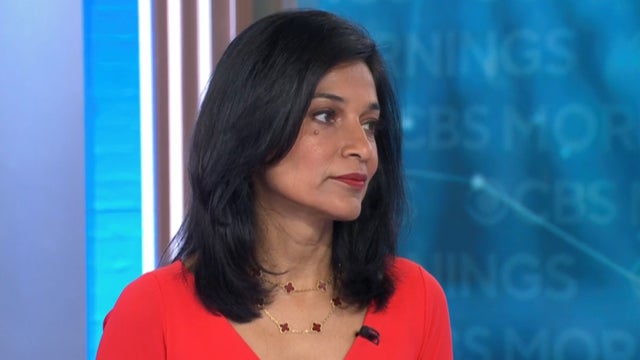
Nearly four years after the Supreme Court overturned Roe v. Wade, a new study found the number of abortions nationwide has slightly increased. The news comes during a renewed legal battle over access to the abortion pill mifepristone. Alina Salganicoff, senior vice president and director of the KFF Women's Health Policy Program, joins CBS News to discuss.

May 5 (05:36)

TRANSCRIPT FOR: “ABORTIONS HAVE INCREASED SLIGHTLY SINCE ROE V. WADE OVERTURNING, STUDY FINDS”

LIZ COOK:
00:00:00

Nearly four years after the Supreme Court overturned Roe vs. Wade,a new study finds the number of abortions nationwide has slightly increased. The news comes during a renewed legal battle over access to the widely-used abortion pill, mifepristone. Now, the health policy organization KFF studied abortion trends before and after the Supreme Court ruling, and found a slight rise before 2022 following a decade-long decline. Joining us now to explain this trend is Alina Salganicoff. She is the Senior Vice President and the Director of the Women's Health Policy Program at KFF. Alina, great to be with you. Now, this study cites telehealth and access to mifepristone for the increase in abortions. Can you explain the impact of those two factors in these recent numbers? Right. I think that people initially expected right after the Dobbs ruling or after Roe v. Wade was overturned, that they would see abortion numbers plummet. And while that did happen in some of the states initially, what we've seen is that those numbers actually have gone up. And the reason for that is twofold, as you mentioned. One is that there is the ability of now abortion pills, medication abortion, and that's actually two medications. One is mifepristone and the other one is misoprostol, and a combination of those drugs is taken for medication abortion. And those no longer are required to be given directly by the physician, which was the original rules. Now, the FDA has said, and this is basically since 2021, that it is safe and effective to mail these medications. And so many of the women who are seeking abortion in the 13 states where abortion is banned and in the six states where it is highly restricted are turning to medication abortion through telehealth to get their abortion done.

LIZ COOK:
00:01:58

Now-- Sorry. No, I'm sorry. Complete your thought there. Yeah, and so some women, however, this is only for abortions that are earlier in pregnancy. Some women for many different reasons can't use medication abortion, and so they are forced to travel and in many cases, very long distances and at extreme cost to get abortions. It's important to note, though, that this medication combination, often just known as mifepristone, was approved by the FDA many years ago. But now, there are renewed questions into its safety and efficacy. What impact could that potentially have on access to these types of drugs? Well, there are questions that have been raised by abortion opponents. Actually, there is a very, very long-standing and well-established research body that shows that these medications are safe and effective. So new data has really not shown that there are any risks to people who take medication abortion pills. But there are abortion opponents who have raised questions. And the Trump administration is now-- the FDA has been charged with and is looking at the research for the safety of medication abortion even though no good research has really shown that any-- that there's been any impact on safety. As you mentioned, statewide bans on abortions have not necessarily led to less abortions nationwide. I'm curious, how much does interstate travel for abortions play into these numbers? Is that more accessible to women? Well, interstate travel is very difficult, particularly for women who live in states that are very far away from states that allow abortion. We're seeing a lot of women go to some of the border states in the South, particularly in Texas, Alabama, Mississippi. Women have to travel very long distances to get abortion access. So we're seeing that those numbers have definitely increased. But it's the combination of the interstate travel, along with the ability to get telehealth abortions, that have really enabled women to continue to get abortions.

LIZ COOK:
00:04:20

Abortion has been top of mind for many since Roe v. Wadewas overturned some four years ago. And it seems like every month in different states, there's been different legal challenges depending on where the state is and how it views abortion. I'm curious, what your thoughts are on the long-term impact of all these different legal challenges, both for and against abortion. Well, I think, we're pretty sure we're going to see this go back to the Supreme Court, particularly around the telehealth abortion provisions that the FDA has issued and the challenges there. Many states have passed shield laws, and these are laws that protect providers in their state from being criminalized or challenged for providing abortion pills to those who live in other states, since it's legal to take that and to provide abortion in many of these states. So that is something that's really been at the focus of a lot of the states that have passed laws and that are trying to criminalize abortion providers, even in states where abortion is not banned. Alina Salganicoff, thank you so much for joining us today. Thank you for inviting me.

Videos
View CBS News In
CBS News App Open
Chrome Safari Continue