Sen. Raphael Warnock introduces measure to block U.S. military action in Iran during ceasefire
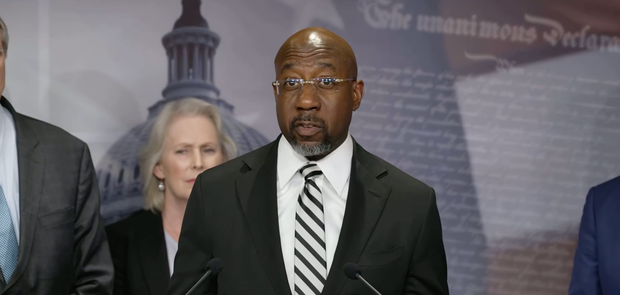
As the U.S. conflict with Iran enters a fragile ceasefire period, Georgia Sen. Raphael Warnock is taking steps to limit further military action — introducing a War Powers Resolution aimed at forcing Congress to weigh in on U.S. involvement.
Warnock filed the resolution Monday alongside fellow Senate Democrats, setting up a potential vote that could determine whether lawmakers support or reject the Trump administration's military actions in Iran. No Republican senators have signed onto the resolution, highlighting the partisan divide over the issue.
"He has dragged us into this illegal, unwise war," Warnock said, criticizing Donald Trump for moving forward without congressional authorization.
The conflict, which began in February 2026, escalated from targeted strikes to broader U.S. military involvement in and around Iran before the current ceasefire took hold.
Key developments shaping the current moment include:
- U.S. military presence: American forces have been deployed in and around Iran, marking one of the most confrontations between the two countries in decades.
- Civilian casualties: A U.S. Tomahawk missile strike earlier in the conflict hit an Iranian elementary school, killing at least 175 people—most of them children, according to Warnock's office. The total number of civilian deaths in Trump's "Operation Epic Fury" is reported to be over 1,600, according to WSJ and Reuters.
- American losses: At least 13 U.S. service members have been killed, underscoring the human cost of the conflict.
- Uncertain path forward: While a ceasefire is in place, questions remain about long-term U.S. strategy and whether military engagement could resume.
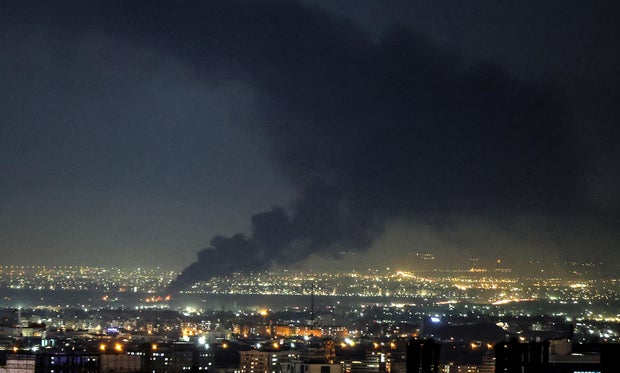
The conflict has also raised concerns about broader regional instability, including the potential involvement of U.S. allies and Iranian-backed groups across the Middle East.
At the heart of Warnock's resolution is a constitutional argument: that Congress—not the president—has the authority to declare war.
"The declaration of war belongs to the Congress and not to the president," Warnock said, urging lawmakers to assert their role.
War Powers Resolutions are designed to limit a president's ability to engage in prolonged military action without congressional approval.
If passed, the measure could:
- Force a Senate vote on U.S. involvement
- Potentially require the withdrawal of U.S. forces
- Spark a broader national debate over presidential war powers
Warnock's move comes as criticism of the conflict continues, particularly following reports of civilian casualties.
"The American people are clear. They do not want this war," he said.
The Georgia senator has also called for a bipartisan investigation into the missile strike that killed civilians, requesting details on how the target was selected and what safeguards failed.
The resolution now heads to the Senate, where lawmakers will be forced to take a public position on U.S. military involvement in Iran.
With no Republican support so far, its chances of passage remain uncertain.
Still, the measure ensures that questions about war powers—and the future of U.S. engagement with Iran—remain front and center on Capitol Hill.


