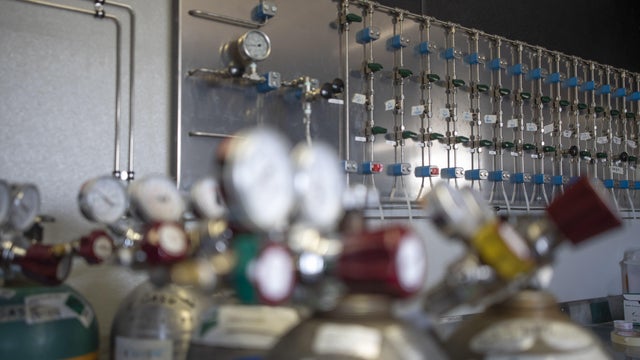
U.S. designates helium a critical material, days after 60 Minutes report
The designation makes more federal financing available for helium producers.
Watch CBS News
The designation makes more federal financing available for helium producers.
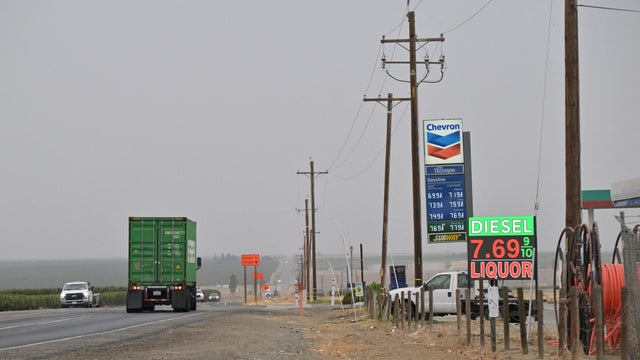
The Trump administration said using the DPA funding will increase refining output and lower fuel prices for Americans. Experts are skeptical.

Energy Secretary Chris Wright told "Face the Nation with Margaret Brennan" that it's a "very real possibility" the U.S. could have a financial stake in Venezuelan oil as President Trump hosted oil executives at the White House and has pressed them to reenter Venezuela.

The U.S. government is taking stake in yet another company, and this time it's a mining company. Lithium Americas is currently developing one of the world's largest lithium mines in northern Nevada. CBS News reporter Andres Gutierrez has more.

The Department of Energy says it will return more than $13 billion in unobligated funds once set aside for the Biden administration's climate agenda, calling it "wasteful spending." Energy Secretary Chris Wright joins "CBS Mornings Plus."
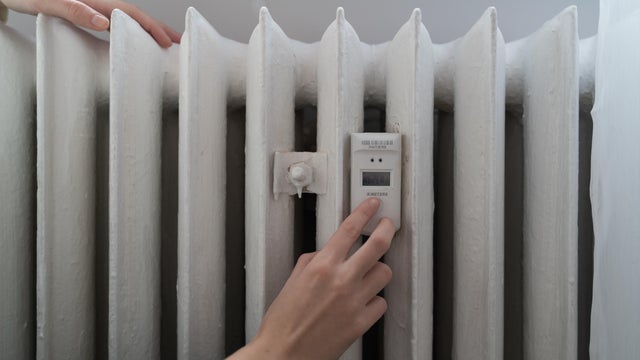
Americans will pay 7.6% more to heat their homes this winter, study finds.
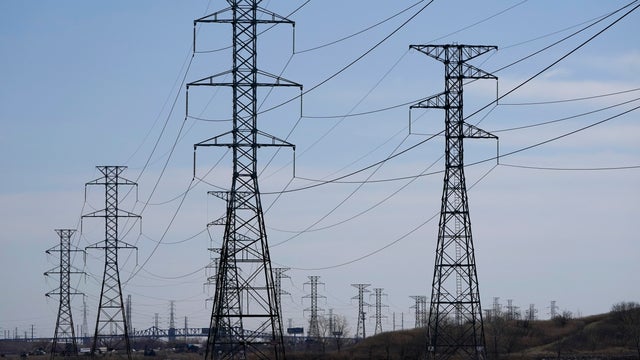
Energy suppliers are having trouble keeping up with the rapid increase in demand, and consumers in some states are seeing higher monthly bills.
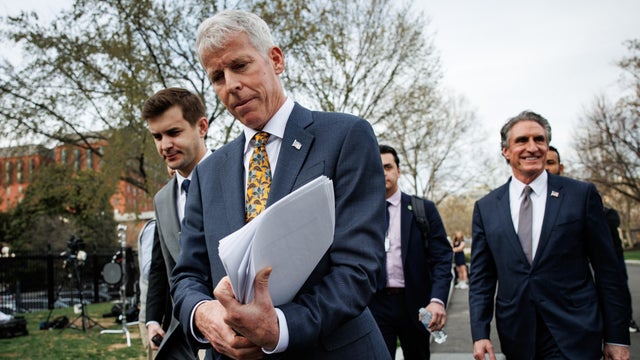
Environmental groups and independent scientists are criticizing a report assembled by a small team of well-known climate skeptics selected by Energy Secretary Chris Wright.

As cryptocurrency and artificial intelligence advancements are made, U.S. demand for the energy needed to power massive mining and data centers grows. David Turk, former deputy secretary of the U.S. Department of Energy, joins "The Daily Report" to discuss how much energy the U.S. needs and the potential environmental impacts.

Since taking office, some of President Trump's executive actions have been met with legal pushback. CBS News Justice Department reporter Jake Rosen reports on the latest challenges.
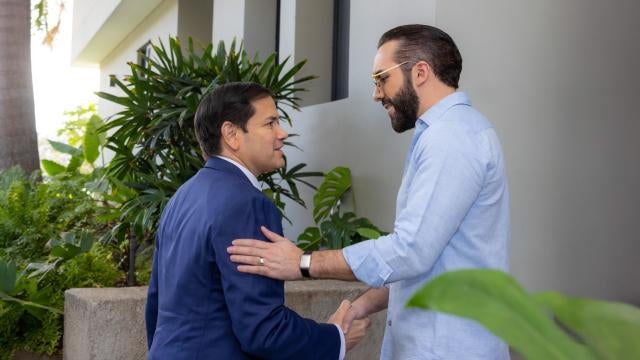
The nuclear agreement is a potential national security win for the United States, one expert said.

The key post will promote President Trump's efforts to achieve U.S. "energy dominance" in the global market.

The wildfires in California are the latest in a string of natural disasters made worse by climate change. Former President Jimmy Carter was one of the first U.S. officials to draw attention to man-made issues impacting the environment. Gus Speth, a member and chair of the Council on Environmental Quality during Carter's presidency, joins "The Daily Report."

Wright has been one of the industry's loudest voices against efforts to fight climate change and could give fossil fuels a boost, including quick action to end a year-long pause on natural gas export approvals by the Biden administration.

President-elect Donald Trump has pledged to "drill, baby, drill" on Day 1 in office. CBS News national environmental correspondent David Schechter joins to take a closer look at the environmental impact of some of Trump's potential energy and climate policies.

Nearly 2,000 Florida gas stations say they have already run out of fuel ahead of Hurricane Milton's landfall. The storm damage could worsen things in the hours and days ahead. U.S. Secretary of Energy Jennifer Granholm joins "America Decides" to discuss what her department is doing to prepare.

In December 2022, California scientists achieved a major breakthrough -- a nuclear fusion reaction that produced more energy than was used to create it. Scientists have done it again and this time their results produced even more energy. Professor Peter Hosemann, chair of nuclear and mechanical engineering at the University of California, Berkeley, joins CBS News to discuss the implications of this accomplishment.

New federal rule prohibiting the production and sale of some incandescent light bulbs could speed adoption of LED lights.

Seven of the world's biggest car manufacturers are allying to develop a network of 30,000 high-powered charging systems.

A new classified report concluded with "low confidence" that it is plausible the COVID-19 pandemic originated from a laboratory leak in Wuhan, China.
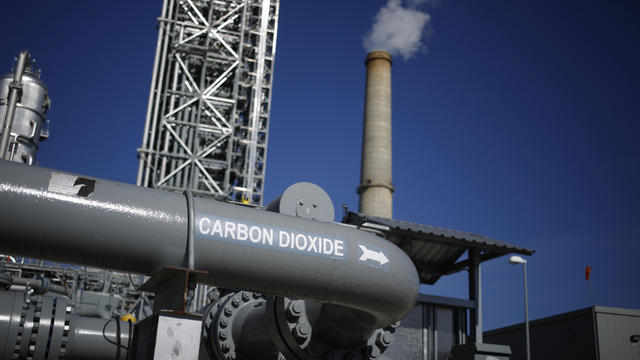
U.S. is investing billions in "carbon capture" technologies. So far, there's not much to show for it.