Iran war unpopular with Americans, lawmakers
The U.S. paused strikes on Iran for the first time in 13 days on Monday. Retired Marine Col. Mark Cancian joins with more on what the pause might mean.
Watch CBS News
The U.S. paused strikes on Iran for the first time in 13 days on Monday. Retired Marine Col. Mark Cancian joins with more on what the pause might mean.
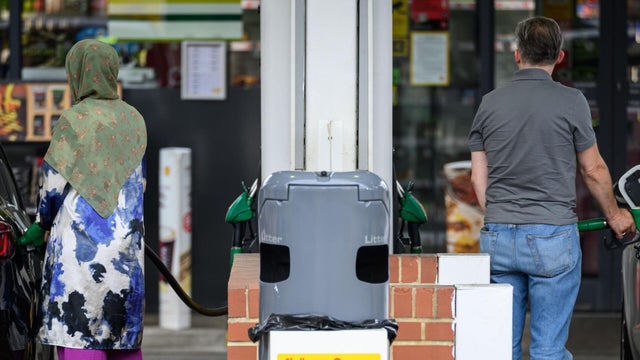
Global oil prices are hovering around $90 per barrel as the U.S.-Iran conflict remains volatile. Meanwhile, the Federal Reserve is set to make an interest rate decision on Wednesday. Madison Mills, a senior AI reporter for Axios, joins with more.
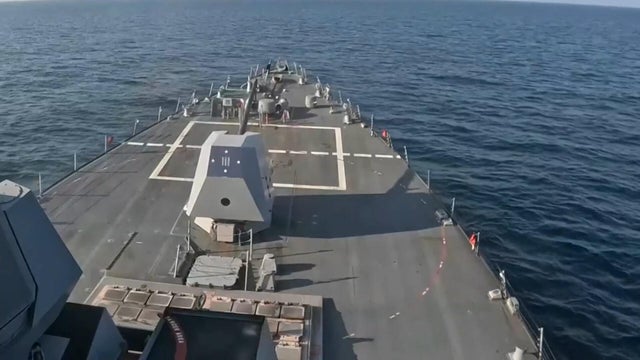
After two weeks of strikes and despite threats from President Trump to escalate the war in Iran by hitting civilian targets, there's a pause in fighting between the two countries. It comes amid progress in talks to reopen the Strait of Hormuz, sources in Iran and Oman say. Charlie D'Agata reports.
The U.S. paused its strikes on Iran after 13 days, while apparent progress is being made toward a deal between Oman and Iran, an official told CBS News. Courtney Kealy has more.
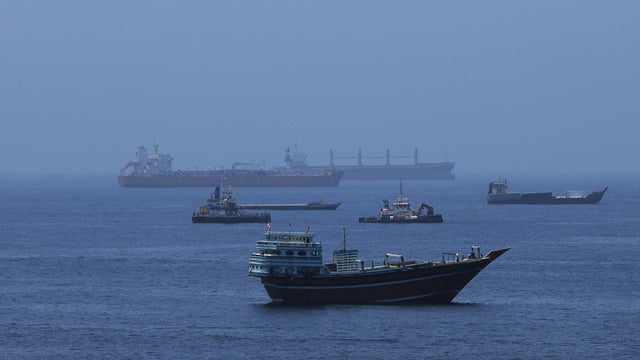
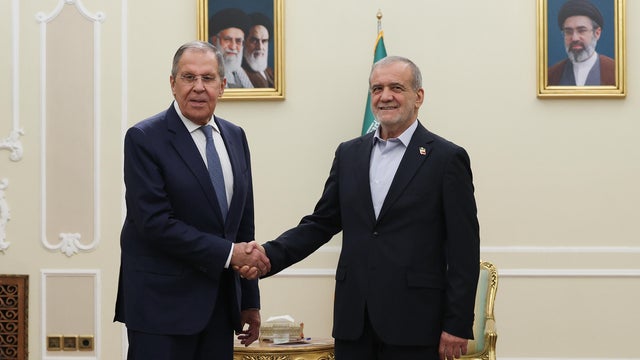
Talks between Oman and Iran on reopening the Strait of Hormuz and their respective territorial waterways have made progress, two sources told CBS News.
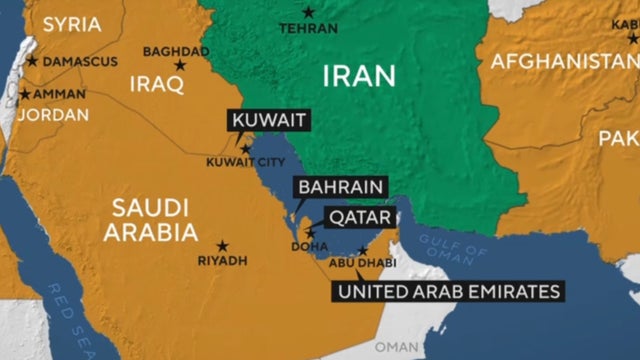
Since the Iran war began in February, Jordan has largely avoided the kind of onslaught Tehran has aimed at places like Kuwait, Bahrain and the United Arab Emirates. With recent attacks, and one that killed three U.S. soldiers, that's changed. CBS News senior national security correspondent Charlie D'Agata examines why.
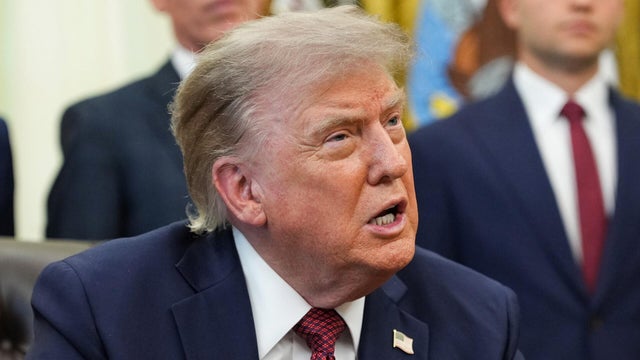
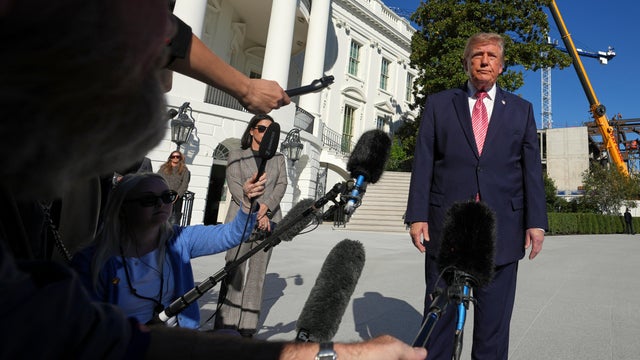
President Trump told reporters on Friday that although the U.S. is speaking with Iran after nearly two weeks of strikes, he doesn't think Tehran is yet prepared to reach an agreement. CBS News' Nikole Killion and Samantha Vinograd have the latest.
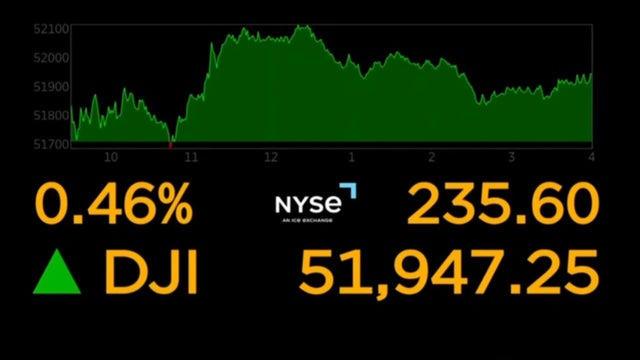
Stock markets closed mixed on Friday as the Iran war continues to upend energy prices. CBS News MoneyWatch correspondent Kelly O'Grady has more.
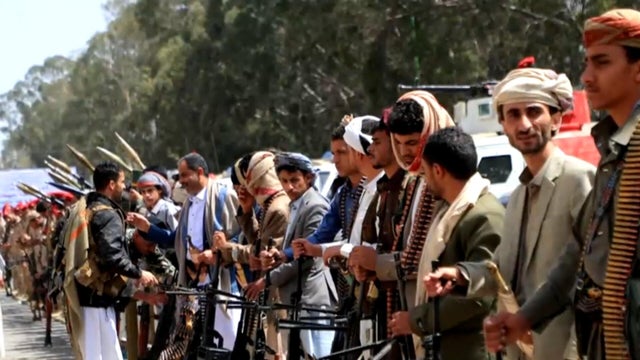
Trade routes are under escalating pressure as troubles continue in the Strait of Hormuz and Houthi rebels attack Saudi oil tankers in the Red Sea. CBS News' Courtney Kealy has more.
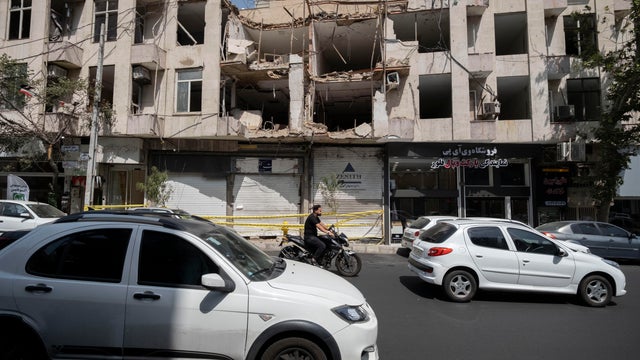
The U.S. moves more refueling planes to the Mideast and adds medics at a major military hospital as the war with Iran spreads to another key waterway.
The U.S. on Thursday launched a 13th straight night of strikes against Iran after President Trump threatened Iran and the Houthis with "major military punishment." Retired Marine Col. Mark Cancian joins with analysis.
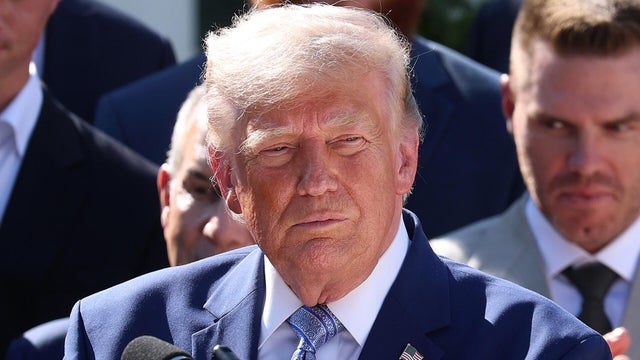
A major escalation in the Iran war may be coming, with President Trump telling Axios on Thursday he's considering a "massive attack." CBS News chief White House correspondent Nancy Cordes has the details.
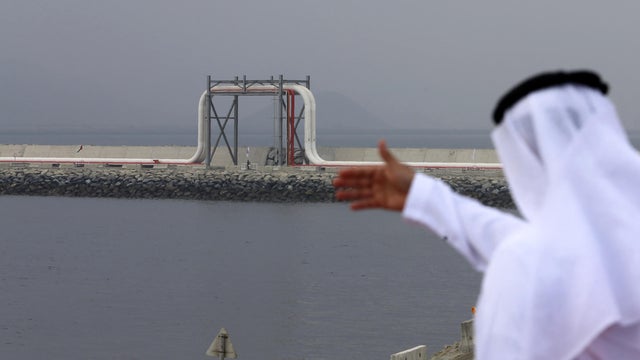
As Iran's attacks keep ship traffic through the Strait of Hormuz to a trickle and oil prices surge, Gulf states are planning to invest billions in pipeline alternatives.
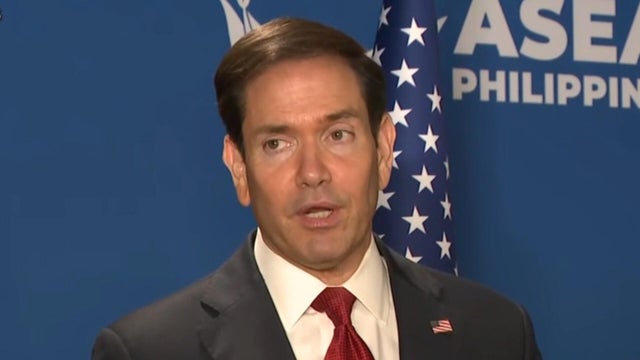
The U.S. struck Iran for a twelfth consecutive night. President Trump renewed threats to target Iranian infrastructure, and Secretary of State Marco Rubio said Iran will continue to pay a high price until negotiations continue. CBS News' Aaron Navarro has more.
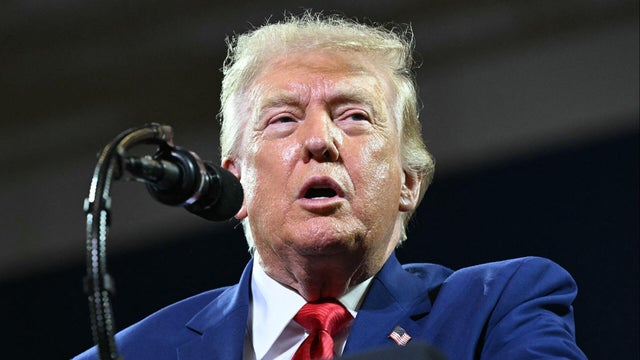
President Trump on Wednesday said that for every Iranian drone or missile attack in the Strait of Hormuz, the U.S. will "bomb and destroy one bridge or power plant." Iran said if the U.S. hits civilian targets it will seek to halt all oil flow from the region. CBS News' Charlie D'Agata and Samantha Vinograd have the latest.
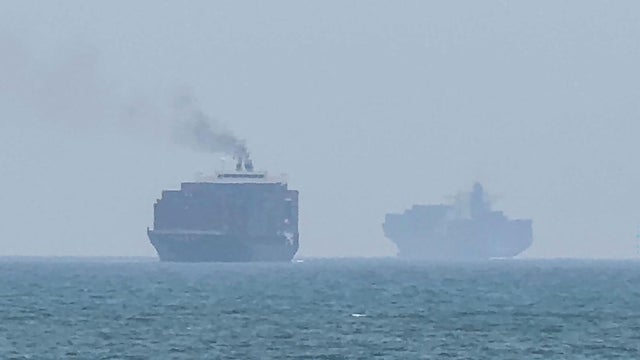
Despite U.S. assertions, the CEO of a maritime risk firm says "there is no guarantee of safe passage" through the Strait of Hormuz.
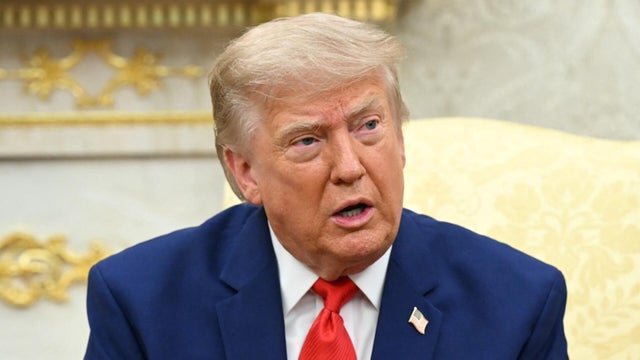
President Trump in a social media post threatened to attack Iran's infrastructure if the Iranian military shoots at ships in the Strait of Hormuz. CBS News' Natalie Brand and Charlie D'Agata have more.
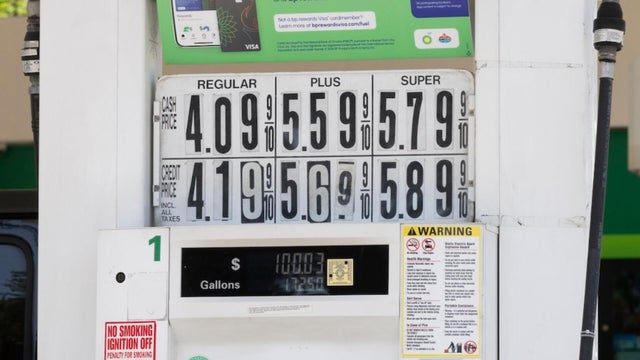
The national average for a gallon of gas is just over $4, which is up about 17 cents from only a week ago and 91 cents higher compared to this time last year, according to AAA. It comes as tensions escalate between the U.S. and Iran. Cristian Benavides reports.
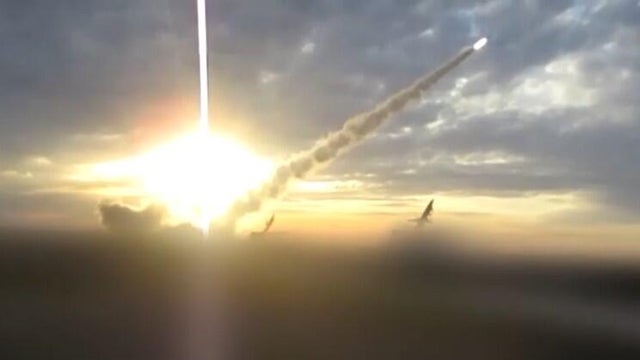
The U.S. launched another night of strikes on Iran after four U.S. soldiers were killed in Jordan and Iraq in recent days.
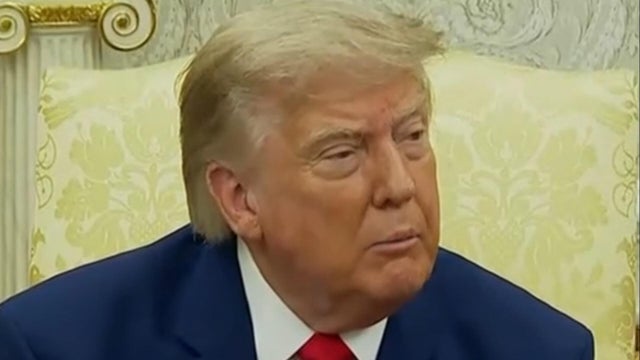
The U.S. launched an 11th consecutive night of strikes against Iran on Tuesday. CBS News' Weijia Jiang reports on Defense Secretary Pete Hegseth's earlier testimony about the Pentagon's request for additional funding. Then, Washington Post national security reporter Noah Robertson joins with analysis.
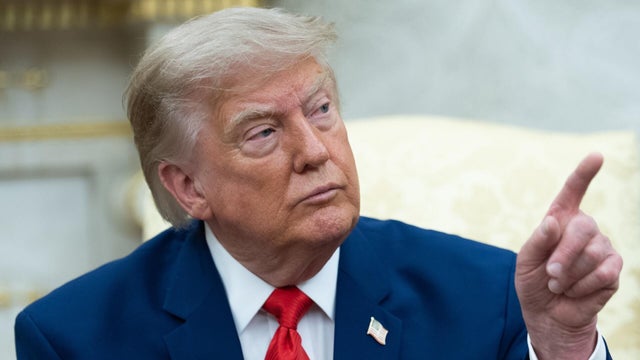
President Trump on Tuesday said the U.S. is not leaving Iran and intends to inflict still more aerial damage on targets, specifically a place called Pickaxe Mountain, but the war will soon run into genuine budget limits. CBS News' Charlie D'Agata and Weijia Jiang report. Then, Matthew Kroenig, nonresident senior fellow at the Atlantic Council, joins with analysis.
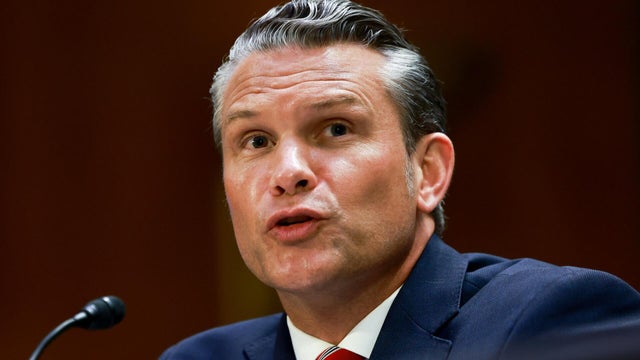
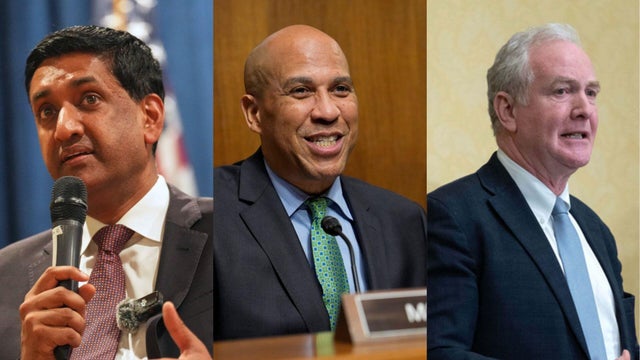
Senators on Tuesday grilled Defense Secretary Pete Hegseth and Chairman of the Joint Chiefs of Staff Dan Caine over the state of the war with Iran. CBS News congressional correspondent Caitlin Huey-Burns has the details.
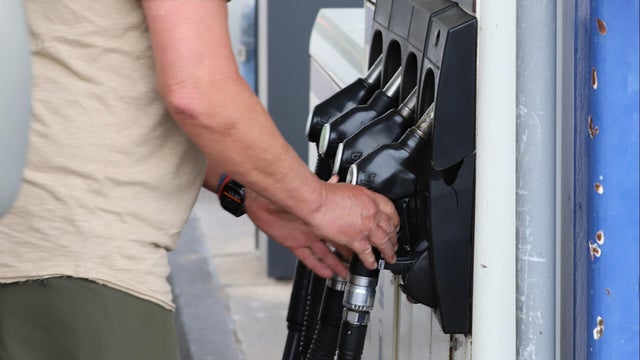
As fighting with Iran ramps up, a gallon of regular gas is once again $4 on average, up 13 cents in one week, according to AAA. Severin Borenstein, professor at UC Berkeley's Haas School of Business, joins with analysis.
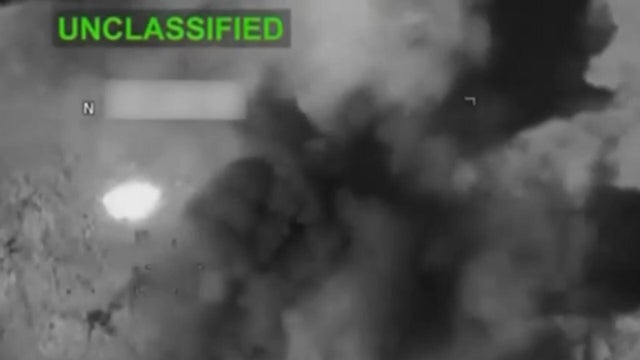
A 10th straight night of U.S. strikes on Iran is underway as President Trump vows Tehran will pay for the deaths of three American soldiers over the weekend. CBS News senior national security correspondent Charlie D'Agata reports. Then, global affairs analyst Jonathan Wachtel joins to discuss the state of the war.
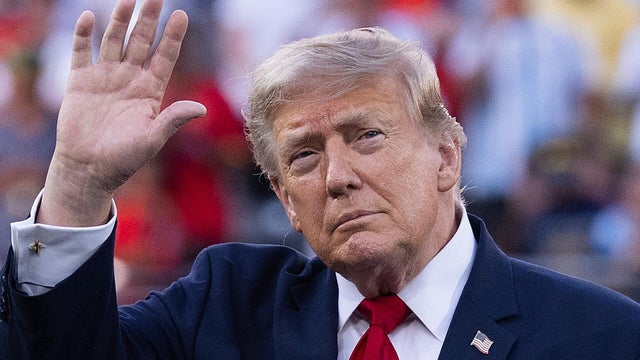
The U.S. on Monday launched its 10th straight night of strikes on Iran, CENTCOM said. The news comes as the Pentagon confirms nearly 100 U.S. service members were hurt in Iranian airstrikes on multiple bases this month. CBS News' Charlie D'Agata and Aaron MacLean have the latest.