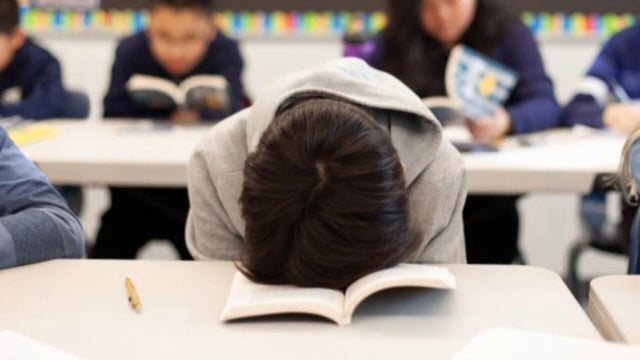
What led to so-called "learning recession"?
The annual Education Scorecard is highlighting a long-term decline in learning among American students. CBS News national correspondent Meg Oliver breaks down the results.
Watch CBS News
The annual Education Scorecard is highlighting a long-term decline in learning among American students. CBS News national correspondent Meg Oliver breaks down the results.

Israel has seen its support in the U.S. deteriorate since the start of the war in Gaza. CBS News chief Washington correspondent Major Garrett asked Israeli Prime Minister Benjamin Netanyahu about why that might be. Then, former CIA officer and Marine Corps veteran Elliot Ackerman joins to unpack Netanyahu's answer.
The progressive donor network Democracy Alliance is planning to invest tens of millions of dollars in new media and content creators. It's a shift away from traditional media like broadcast television and paid advertisements. Democracy Alliance president Pamela Shifman joins "The Takeout" to explain the shift in strategy.
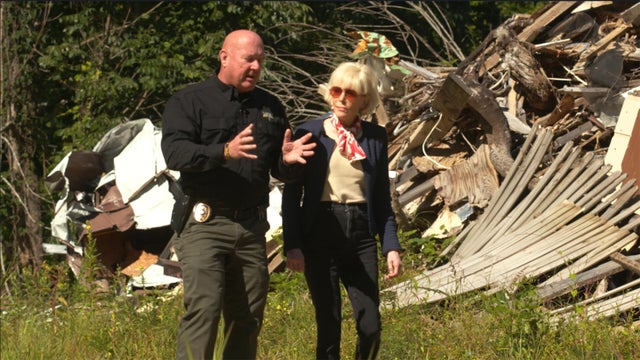
Often following natural disasters, conspiracists, militias, and white supremacist groups sweep in to hard-hit communities offering help. But they've been called "disaster tourists," out to soften their image, gain followers and sow doubt in the government. Sunday.

Dr. Brandon Axelrod, an oral and maxillofacial surgery resident in New York City, found a creative way to pay off his massive student loan debt. CBS News' Jarred Hill has more.

Former Rep. Eric Swalwell's resignation came after an online community of young women helped push once-whispered warnings into the national spotlight. Sami Sage, co-founder of the social media company Betches Media, joins "The Takeout" to discuss.

A new book called "Screen People" argues that's what society has become: a people defined by screens, what we do with those screens and how we present ourselves on those screens. Author Megan Garber joins "The Takeout" to discuss.

The most followed pig on Instagram is catching the attention of more than just social media users. Merlin the pig communicates with buttons, and he joins CBS News with his friend named Al Capone, and his owner, Mina Alali.
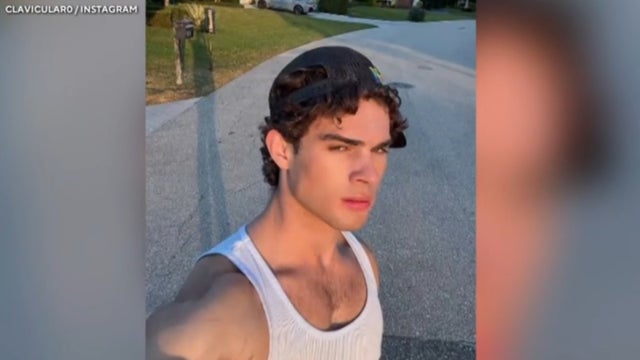
Controversial influencer Clavicular said he is home from the hospital after his livestream abruptly ended on Tuesday night. CBS News' Matt Gutman reports and The Free Press' River Page has more.

Darren L. Linvill, a professor at Clemson University and co-director of the Watt Family Innovation Center Media Forensics Hub, joins CBS News to break down how the U.S. and Iran are using AI-generated images on social media to garner war support.

President Trump is facing backlash from both parties after posting an AI-image that appeared to depict him in the likeness of Jesus. He later deleted it. Weijia Jiang reports.

The image was deleted from President Trump's Truth Social account, but the president said it depicted him as a "doctor, making people better."

Videos circulating on social media showing parents saying the name "Jessica" to calm their toddler are going viral. Developmental psychologist Aliza Pressman breaks down the trend and what parents need to know before trying it.
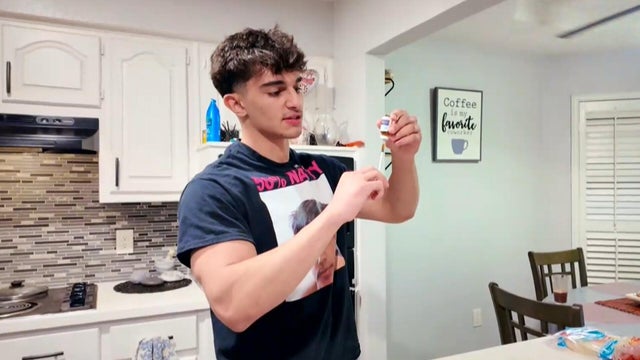
Behind some of the viral physiques lies a troubling trend: the use of a powerful drug never approved for humans.
An online social media trend called "looksmaxxing" is convincing teen boys to take steroids with potentially dangerous side effects. Adam Yamaguchi reports.
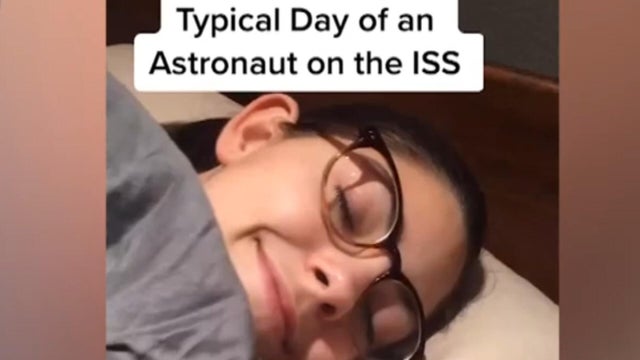
Many kids say they want to be an astronaut when they grow up. Social media influencer and PhD candidate Alyssa Carson joins CBS News to discuss her goal of being the first person to walk on Mars.
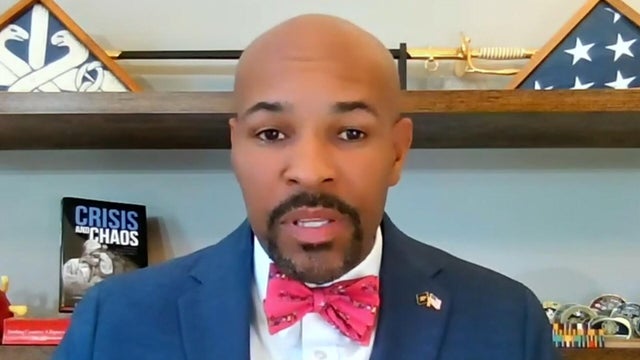
Jerome Adams, who served as surgeon general in the first Trump administration, told "Face the Nation with Margaret Brennan" that he's "happy that we're having a conversation" about the social media addiction, saying that the U.S. needs to "similar to cigarettes, point out the fact that these substances, meaning social media platforms, are incredibly addictive."

Experts say the rulings could expose tech companies to more litigation and pressure them to make changes to their apps.
The verdict, which caps a weeks-long trial in Los Angeles, could set a legal precedent for similar allegations brought against social media companies.
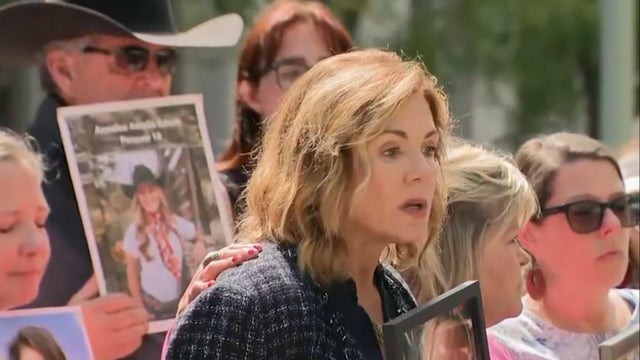
A jury found that Meta and YouTube are liable for creating products that led to harmful and addictive behavior by young users, a landmark decision that could set a legal precedent for similar allegations brought against social media companies. Jo Ling Kent reports.
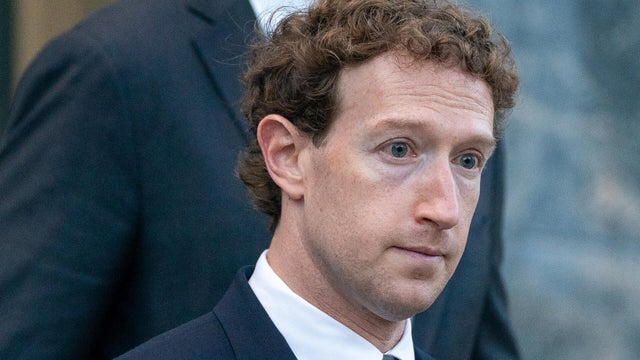
In a landmark social media trial, Meta and YouTube were found liable for creating products that led to addictive behavior. CBS News senior business and technology correspondent Jo Ling Kent has the details.
A Los Angeles jury has found Meta and YouTube liable in a first-of-its-kind lawsuit that alleged the platforms knowingly made their services addictive and harmful to minors. CBS News contributor Jessica Levinson has more on the verdict.
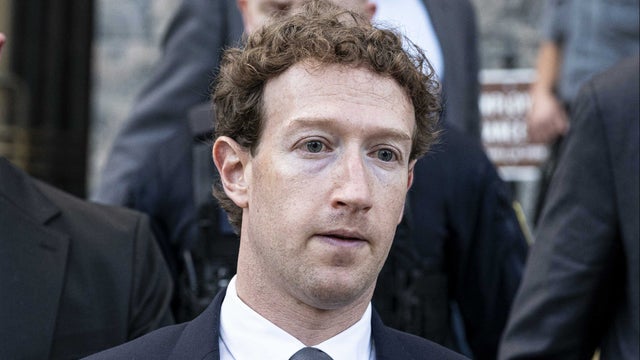
The jury in a landmark social media addiction trial on Wednesday found Meta and YouTube liable for creating products that led to harmful and addictive behavior in young users. Scott Stein, editor at large for CNET, joins CBS News to break down the day's tech headlines.
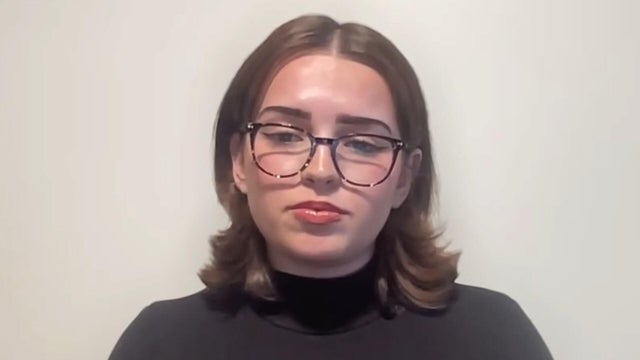
In a landmark verdict on Wednesday, a jury found Meta and YouTube deliberately designed social media apps to be addictive. Emma Lembke, founder of the Log Off Movement and Gen Z advocacy director at the Sustainable Media Center, joins CBS News with her reaction.
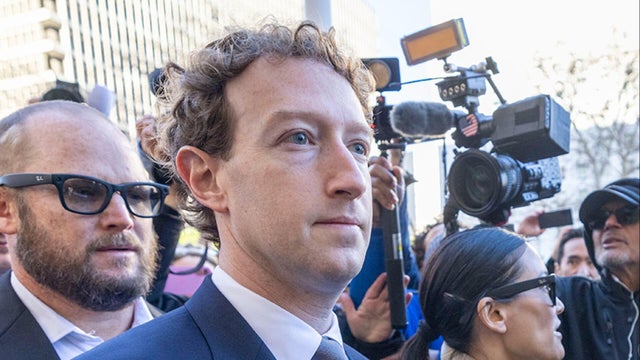
Meta and YouTube were found liable by a jury Wednesday for creating products that led to harmful and addictive behavior by young users. CBS News' Jo Ling Kent and Caroline Polisi break down the case.