How hackers are attacking the COVID-19 supply chain
Attack "has the hallmarks of nation-state activity" and was designed to undermine trust in the vaccine, experts say.
Watch CBS News
Attack "has the hallmarks of nation-state activity" and was designed to undermine trust in the vaccine, experts say.

The growing partnership between Russia's government and cybercriminals; then, could antibiotic-resistant 'superbugs' become a bigger killer than cancer?; and, Easter Island’s famous moai statues slowly fading away

Bill Whitaker reports on how Russian spies used a popular piece of software to unleash a virus that spread to 18,000 government and private computer networks.

Personal details for half a billion Facebook users surfaced on a hacker forum. Here's how to protect yourself.

Information included people's full name, phone number and email address, according to one report.

Till Kottmann provided CBS News with video and images from the hack, and described the attack as "non-technical" and not difficult to pull off.

One hacker decried "nonexistent and irresponsible" lack of security on cameras used inside hospitals, prisons and major companies.

While the hack doesn't pose the kind of national security threat as the more sophisticated SolarWinds campaign, it can be an existential threat for victims who didn't install the patch in time.

Targets include American universities, defense contractors, law firms and infectious-disease researchers.

The indictment expands on the earlier case related to the 2014 hack of Sony Pictures.

A South Korean lawmaker told reporters about a briefing by his nation's spy agency.

Unprecedented Russian SolarWinds hack that infiltrated federal government likely still happening; Then, Bill Gates on how the world can avoid a climate disaster; And, Simone Biles readies for her final Olympics.

In the wake of the SolarWinds hack, cybersecurity experts told 60 Minutes that the U.S. must be willing to attack Russia and other adversaries, or the hacks will keep coming.

Bill Whitaker reports on how Russian spies used a popular piece of software to unleash a virus that spread to 18,000 government and private computer networks.

Investigators believe Russia is behind a massive cyber hack that hit several federal agencies, including the Treasury, Commerce, and Justice Departments. Sunday, 60 minutes investigates the largest and most sophisticated cybersecurity breach of federal systems in U.S. history.

The hacker allegedly tried to change the sodium hydroxide in the water supply from about 100 parts per million to 11,100 parts per million.

Cybersecurity experts say the economic, societal, and military impact of this hack cannot be overemphasized.
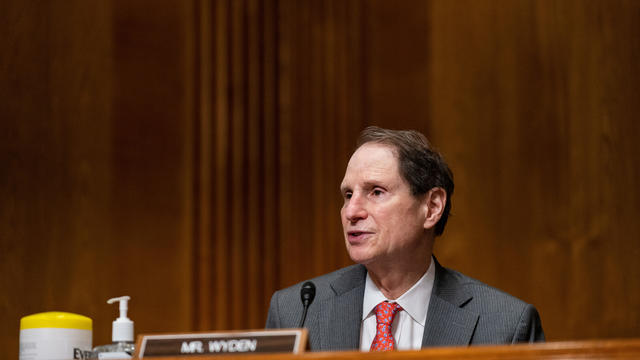
Senator Ron Wyden said the "full depth" of the Treasury hack "isn't known."

Barr said the probe involving Hunter Biden is "being handled responsibly and professionally."

Treasury, Commerce Departments hit. Feds order all agencies to search their networks for signs they were affected. Russia, suspected by many experts, denies any role.

Hackers apparently used doctored invoices purporting to be from vendors to steal money from party coffers.

Experts say cybercriminals, likely from eastern Europe, perhaps with Kremlin ties, are seeking money as COVID surges but aren't targeting election systems.

President Trump's campaign website briefly showed a message from someone claiming to have compromised devices belonging to Mr. Trump and his relatives.

The indictment was unsealed in federal court Monday.
![US-POLITICS-TRUMP]-TWITTER](https://assets3.cbsnewsstatic.com/hub/i/r/2020/05/28/b01ec93b-c2be-4230-a371-78b20fc732d6/thumbnail/640x360g2/a1af8ee7df3256d1285ca81a6f26d8ea/gettyimages-1215626637.jpg#)
Twitter said the hackers targeted and manipulated a small number of Twitter employees as part of a "social engineering scheme."