Iran and Israel say attacks halted after Trump tells both to "stop 'shooting'"
Iran and Israel declare a halt to fighting as President Trump says both are seeking an "immediate ceasefire" after a major escalation in the 101-day war.
Watch CBS News
Iran and Israel declare a halt to fighting as President Trump says both are seeking an "immediate ceasefire" after a major escalation in the 101-day war.

Israel and Lebanon agreed Wednesday to renew their fragile ceasefire and create a number of "pilot" security zones inside Lebanon where Hezbollah would be banned.

Earlier this week, Axios was the first to report details of the phone conversation between President Trump and Israeli Prime Minister Benjamin Netanyahu in which Mr. Trump called his Netanyahu "f***ing crazy." Axios White House reporter Marc Caputo broke the story and joins "The Takeout" to discuss.

President Trump spoke about the war in Iran and a recent phone call with Israeli Prime Minister Benjamin Netanyahu during an interview with the New York Post's "Pod Force One." CBS News senior White House and political correspondent Ed O'Keefe has more.

Prospects for a U.S.-Iran deal appear to be dimming as the war between Israel and Hezbollah grinds on despite Trump saying they agreed to stop fighting.
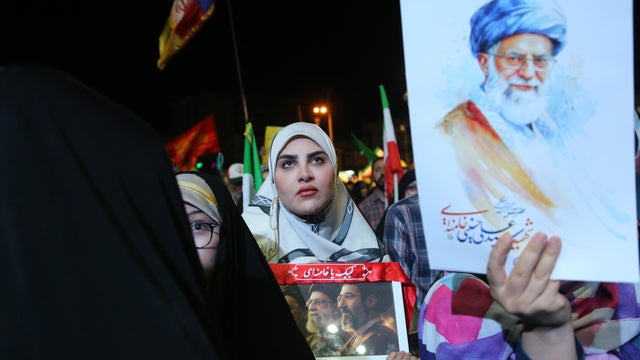
The Iranians' latest move in the war came in response to what it considers U.S. and Israeli ceasefire violations.

There are deepening fears of an imminent large-scale Russian attack on Kyiv. CBS News chief foreign affairs correspondent and "Face the Nation" moderator Margaret Brennan spoke with Ukrainian President Volodymyr Zelenskyy about the state of the war.
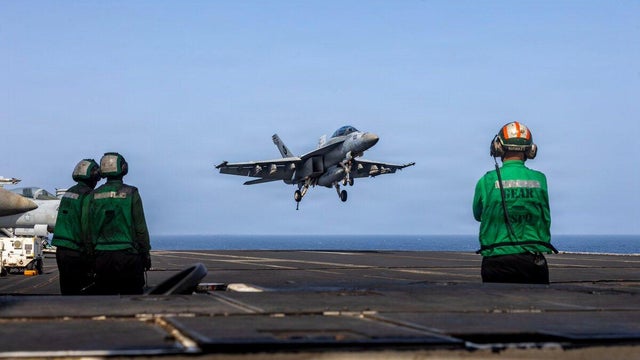
The vice president says the U.S. and Iran are "very close" to a deal, but are "not there yet." Meanwhile, the U.S. struck Iran, which retaliated against a U.S. base.
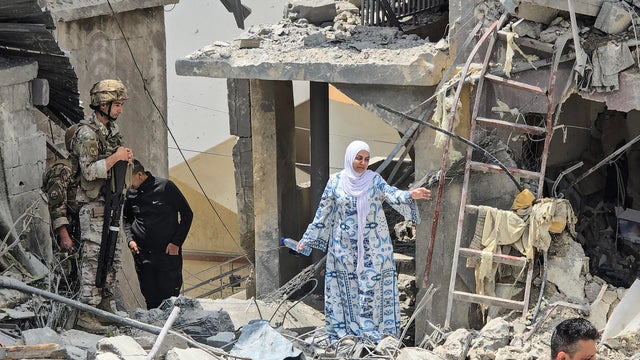
The U.S. and Iran had appeared ready to de-escalate before the U.S. military conducted what it said were defensive strikes against Iran on Wednesday.

Israel says it killed the new head of Hamas's armed wing in Gaza, Mohammed Odeh, after killing his predecessor in a similar attack earlier this month.
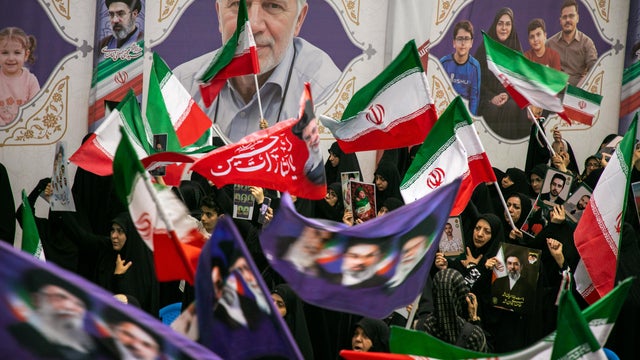
As Iran accuses the U.S. of a "grave violation" of the fragile ceasefire, Rubio says a deal is still possible despite the latest clash.
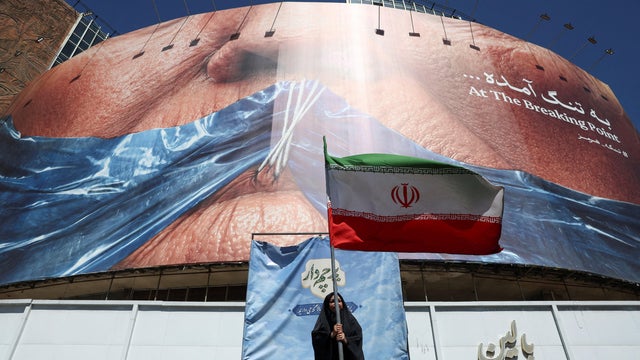
As the Trump administration signals hope for a possible deal, Iran says obstacles linger and that "frequent changes" in U.S. positions aren't helping.

There is broad commitment on the principles of a deal, a senior Trump administration official said, and the administration feels positive about where things stand.

Tulsi Gabbard resigned Friday as the director of national intelligence, citing her husband's cancer diagnosis. Gabbard's departure fits within a constellation of events this week suggesting that President Trump may be considering relaunching the war with Iran. CBS News' Aaron MacLean and Samantha Vinograd join with analysis.

Iran says it's considering the latest U.S. peace offer, as President Trump says he's willing to wait "a couple of days" for a response.

President Trump is commenting on Israeli Prime Minister Benjamin Netanyahu's next moves in the Iran war as the world awaits a potential peace deal. Former U.S. Ambassador to Israel Daniel Shapiro joins CBS News to discuss the comments.

Italy and France have summoned the Israeli ambassadors in their respective capitals after Itamar Ben-Gvir, his national security minister, posted the video.

Israeli Prime Minister Benjamin Netanyahu's government plans to file a defamation lawsuit against The New York Times.

Israeli Prime Minister Benjamin Netanyahu recently made a secret visit to the United Arab Emirates, where he met with President Mohammed bin Zayed, sources told CBS News.
Israeli Prime Minister Benjamin Netanyahu made a secret visit to the United Arab Emirates recently, his office confirmed Wednesday. CBS News Middle East contributor Courtney Kealy has more.

Iran warns any new U.S. attacks will bring a "bad result," as President Trump acknowledges the ceasefire is faltering and violence flares in Lebanon.

Israeli Prime Minister Benjamin Netanyahu spoke with CBS News chief Washington correspondent Major Garrett about the situation in Iran. Ahead of President Trump's meeting with Chinese President Xi Jinping, Netanyahu said he "didn't like" that China supported Iran's war efforts.

Israeli Prime Minister Benjamin Netanyahu told CBS News that the war with Iran won't end until the nation's enriched uranium is removed. Ret. Navy Vice Adm. Robert Murrett joins with his perspective.
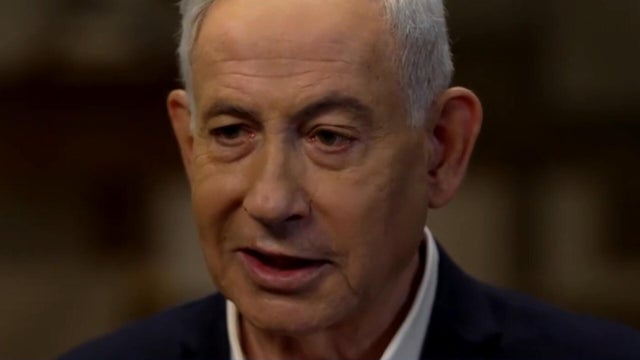
Israel has seen its support in the U.S. deteriorate since the start of the war in Gaza. CBS News chief Washington correspondent Major Garrett asked Israeli Prime Minister Benjamin Netanyahu about why that might be. Then, former CIA officer and Marine Corps veteran Elliot Ackerman joins to unpack Netanyahu's answer.

CBS News chief Washington correspondent Major Garrett spoke with Israeli Prime Minister Benjamin Netanyahu about where the war with Iran stands and what it would take to end the conflict. Former Trump national security adviser H. R. McMaster joins with analysis of Netanyahu's response.