Pfizer COVID vaccine found 94% effective in real-world study
Even after one dose, the vaccine proved very effective at preventing serious illness and death.
Watch CBS News
Even after one dose, the vaccine proved very effective at preventing serious illness and death.

A new study suggests two shots of the Pfizer vaccine helps to significantly slow the spread of COVID-19. The new information is coming from Israel, where more than 40% of the population has received at least one shot. Elizabeth Palmer reports.

Israel had one of the worst COVID-19 outbreaks around the world just months ago. Now, the disease is in dramatic decline after a strict lockdown and a steady supply of vaccines. Elizabeth Palmer reports.

Just over four months ago, Israel's COVID-19 outbreak was one of the worst on earth.Then, the Israeli government struck a deal with Pfizer-BioNTech for enough doses to inoculate every Israeli adult by the end of March.
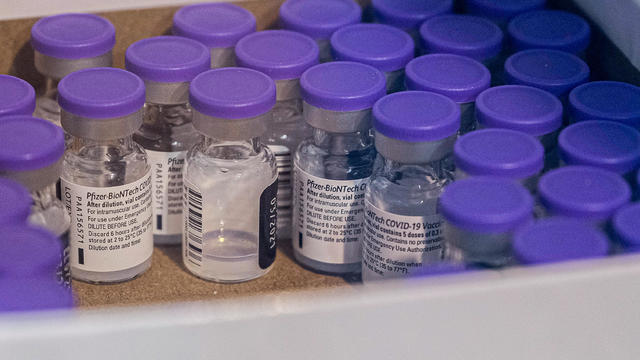
The study found a 94% drop in symptomatic infections and a 92% drop in serious cases of the disease among those vaccinated.

Production of the material, which can be used as the core of an atomic bomb, is the latest step away from the nuclear deal Biden hopes to revive.

Longest serving prime minister in Israel's history entered his plea as the trial resumed, and then left without explanation 20 minutes later.

Israel is taking an aggressive approach to vaccinating its population against COVID-19. The preliminary results are offering researchers hope in the midst of the pandemic. Isabel Kershner, a correspondent in Jerusalem for The New York Times, reported on that story and joins CBSN to discuss what she learned about the Pfizer vaccine's efficacy.

Britain passed its halfway mark in its goal of vaccinating 15 million, mostly older people, by mid-February. But other European countries are still struggling with their vaccine distribution. Elizabeth Palmer reports.

While welcoming Malka Leifer's transfer to Australia, activists say a wider problem highlighted by a CBS News investigation still needs to be addressed.

Europeans are receiving coronavirus vaccinations at unusual mega-sites, rolling up their sleeves at repurposed racetracks, cinemas, ice rinks and rugby stadiums.

One human rights group says the Netanyahu government's approval of East Jerusalem construction puts it on a "collision course" with the Biden White House.

A leading Israeli human rights groups, which calls the state's control of Palestinian territories an "apartheid" system, will no longer be allowed to lecture in schools.

The incoming Biden administration is expected to shift the U.S. approach with its allies and foes in the Middle East. Ambassador Danny Danon, a former Israeli ambassador to the United Nations, joins CBSN's Lana Zak to discuss.
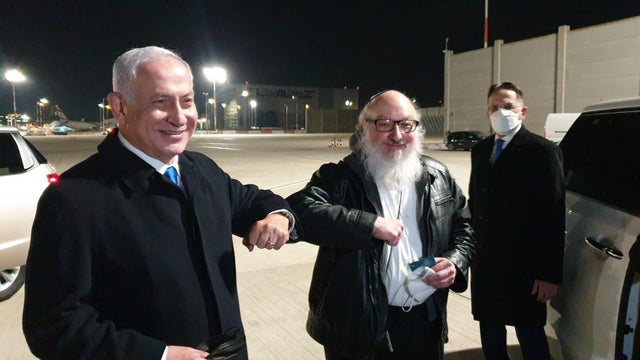
Pollard, a civilian intelligence analyst for the U.S. Navy, sold military secrets to Israel while working at the Pentagon in the 1980s.

Israelis will head to the polls for the fourth time in two years in March after the country's parliament was unable to pass an annual budget by Wednesday night's deadline. Newsday columnist Dan Raviv joins CBSN for a closer look at what this means for Israel's future.

Goods can finally move between the United Kingdom and France as the countries reopen their borders. Iran is being accused of an effort to incite violence in the United States. Hong Kong pro-democracy activist Jimmy Lai has been granted bail. And Israel will hold its fourth election in just two years as parliament dissolves. CBS News foreign correspondent Ian Lee joins "CBSN AM" from London with today's global headlines.
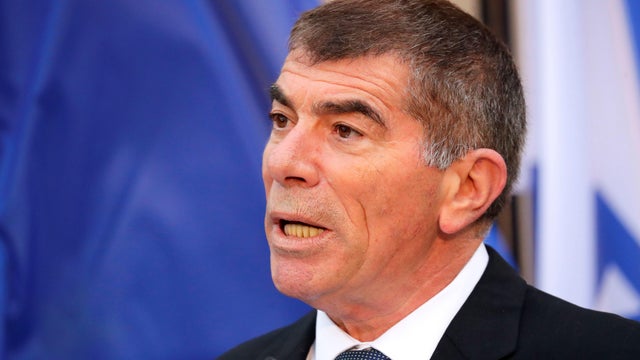
"Israel's circle of recognition is growing and expanding," said Israeli Foreign Minister Gabi Ashkenazi.

The world is waiting to see how Iran will respond to the assassination of its top nuclear scientist, and the potential shift in the U.S. approach to the region under the Biden administration. Contributing correspondent and author of "Axios from Tel Aviv" Barak Ravid joined CBSN to discuss the latest.

Iran's parliament has approved a bill to suspend all U.N. inspections of its nuclear facilities in a show of defiance after the killing of the country's top nuclear scientist. Tehran claims Israel used a remote-controlled gun to kill the scientist, and Israel has repeatedly declined to comment on the attack. Behnam Ben Taleblu, a senior fellow at the Foundation for the Defense of Democracies, joined CBSN to discuss.

Iranian President Hassan Rouhani blamed Israel for the killing of Mohsen Fakhrizadeh and vowed retribution "in due time."

Mohsen Fakhrizadeh, the alleged mastermind of Iran's nuclear weapons program, was ambushed with a remote-controlled machine gun mounted on a car that later blew up, according to Iranian media reports. Holly Williams has the details.

The new president will take over with a shrinking U.S. military footprint eroding trust, and Tehran vowing to take revenge for a brazen assassination it blames on Israel.
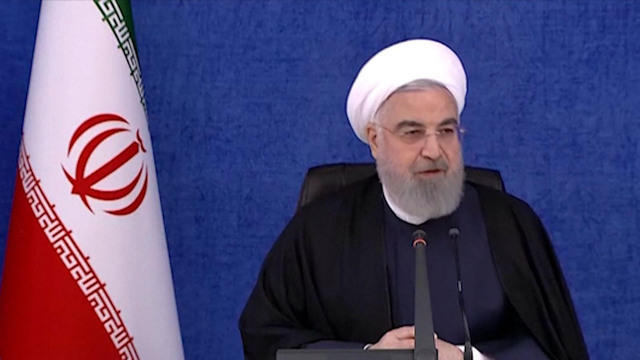
On Saturday, Iranian President Hassan Rouhani blamed Israel for the assassination of a top nuclear scientist, Mohsen Fakhrizadeh. In 2018, Israeli Prime Minister Benjamin Netanyahu singled out Fakhrizadeh in a news conference, accusing him of developing nuclear weapons. Holly Williams has more.

Iran has blamed the slaying of Mohsen Fakhrizadeh on Israel.