
Jury selection begins in Meta, Snap social media addiction case
The plaintiffs allege that features on the companies' social media platforms, like endless scrolling, kept them hooked and harmed their mental health.
Watch CBS News
The plaintiffs allege that features on the companies' social media platforms, like endless scrolling, kept them hooked and harmed their mental health.
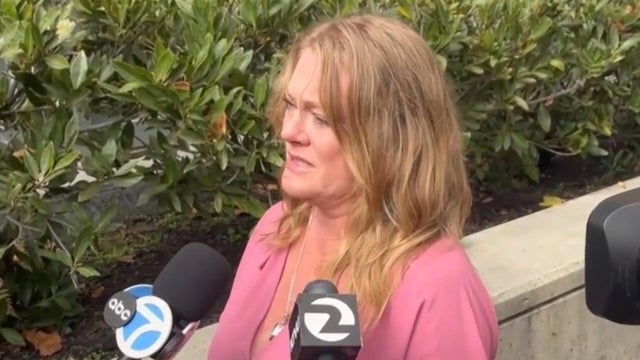
A series of lawsuits accused tech giant Meta of purposefully designing social media apps to entice users and cause social media addiction. Meta will pay out $17 billion in a landmark settlement. CBS News' Jarred Hill reports.

Meta has agreed to pay $17 billion to settle claims that its platforms lead to addiction in kids and teens, but is not admitting any wrongdoing despite implementing new safeguards. CNET reporter Katelyn Chedraoui joins "The Daily Report" to discuss.

Meta has reached a landmark legal settlement with dozens of states over claims that the social media giant intentionally designed addictive platforms that harmed the mental health of teenagers. CBS News MoneyWatch correspondent Kelly O'Grady has the details.
Tech giant Meta will shell out up to $17 billion in a settlement following a massive multi-state legal suit on social media addiction. CBS News' Kelly O'Grady explains more.

One woman is speaking out after she was secretly filmed, saying that technology like Meta's AI-powered smart glasses threatens personal privacy.

A man who, instead of rating movies or restaurants, rates benches on Instagram, just gave out his first 10/10, a milestone seven years and 300 reviews in the making. Tony Dokoupil has the story.

New York Times technology reporter Mike Isaac joins CBS News to break down the landmark social media trial against Meta that's currently underway, with parents accusing the tech giant of designing its platforms to be addictive and harmful to children.

Opening arguments begin Tuesday in a landmark trial where four states are suing Meta for alleged mental health harm and addictive design. CBS News contributor Rebecca Roiphe has the latest.

Tech giant Meta is being accused of designing social media platforms that violate privacy and enable social media addiction in children. Jury selection in the trial begins today. CBS News legal contributor Jessica Levinson has more on the case.

Meta, the parent company of Facebook, Instagram, WhatsApp and others, must pay nearly $1 billion after a court found the social media giant to have put children and teen users at risk. A New Mexico judge ruled that Meta must pay $567 million into a fund to pay for harm prevention and awareness, in addition to $375 million in civil penalties previously decided by a jury.

Meta, the tech giant that operates Facebook, Instagram, WhatsApp and other platforms, faces another financial penalty for allegedly failing to keep kids safe. A New Mexico judge has ordered Meta to pay $567 million for its failure to warn the public about the dangers its products pose to children.

Meta announced it is introducing new features to help protect teens using Instagram, Facebook and WhatsApp, including alerting a parent if their child discusses self-harm with one of its AI chatbots. Kelly O'Grady explains.

Meta has launched a new AI-imaging tool called Muse that could make public Instagram users vulnerable to deepfakes. Muse allows other Instagram users to use photos from public accounts to make AI images without explicit approval or knowledge. CNET AI reporter Katelyn Chedraoui has more.

U.K. Prime Minister Keir Starmer hopes to have a ban on kids using social media that is "designed to be addictive" enacted by early next year.

Meta has created a free five-week training course called America's Workforce Academy to address shortages of jobs like fiber technicians, welders, plumbers and electricians. The workers would help build data centers and then be guaranteed a job in a skilled trade. Marc Morial, president of the National Urban League, joins to discuss his organization's partnership with Meta on the project.

The new paid tier adds features like longer stories and deeper metrics as Meta looks to diversify revenue beyond advertising.

Liam Wildish was looking for a way to promote his window cleaning business nine years ago, so he started posting videos on social media of himself cleaning signs. The videos have since evolved into a full-time internet identity. Tina Kraus reports.

Business Insider got a look at an email Meta, the parent company of Facebook, sent to all employees, letting them know that it would start tracking their interactions with their computers to train the company's artificial intelligence. Business Insider tech correspondent Charles Rollet joins to discuss.

The most followed pig on Instagram is catching the attention of more than just social media users. Merlin the pig communicates with buttons, and he joins CBS News with his friend named Al Capone, and his owner, Mina Alali.

In March a New Mexico jury ordered Meta to pay $375 million for enabling sexual exploitation on its platforms. A hearing is set for May on whether the company has to make changes to how its sites are run to better protect children. New Mexico Attorney General Raúl Torrez joins "The Takeout" to discuss.

The verdict, which caps a weeks-long trial in Los Angeles, could set a legal precedent for similar allegations brought against social media companies.

A Los Angeles jury ruled against Meta and Google on Wednesday, finding the companies liable for reports of damage done to young people by social media. That verdict came less than 24 hours after a similar ruling in New Mexico, where a jury found Meta violated state consumer protection law and endangered children. New Mexico attorney general Raúl Torrez joins "The Daily Report" to discuss.

The jury in a landmark social media addiction trial on Wednesday found Meta and YouTube liable for creating products that led to harmful and addictive behavior in young users. Scott Stein, editor at large for CNET, joins CBS News to break down the day's tech headlines.
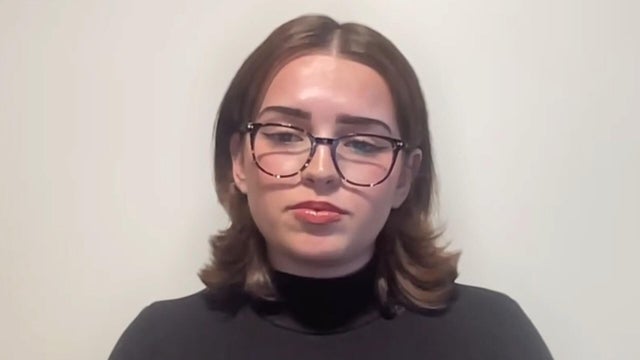
In a landmark verdict on Wednesday, a jury found Meta and YouTube deliberately designed social media apps to be addictive. Emma Lembke, founder of the Log Off Movement and Gen Z advocacy director at the Sustainable Media Center, joins CBS News with her reaction.