Georgia police dog dies after being left in hot patrol car
A police dog died Sunday in Georgia, after being left alone inside of her handler's hot patrol car without a working air conditioning system, authorities said.
Watch CBS News
A police dog died Sunday in Georgia, after being left alone inside of her handler's hot patrol car without a working air conditioning system, authorities said.
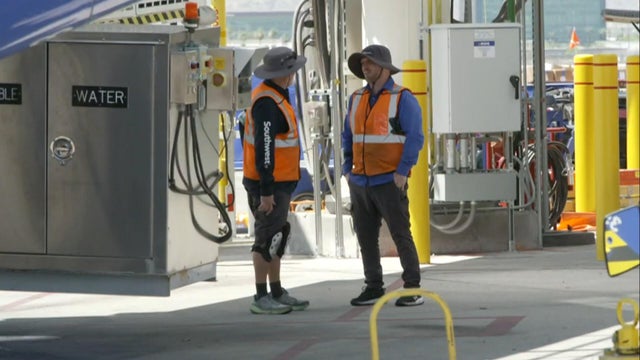
The summer surge of flyers has Southwest Airlines ground crews in Phoenix working to beat the clock and triple-digit temperature as they turn 200 flights a day. Kris Van Cleave reports.

There are several factors that can trigger migraines in the summer months. CBS News' Jarred Hill breaks down some ways to avoid the intense headaches.
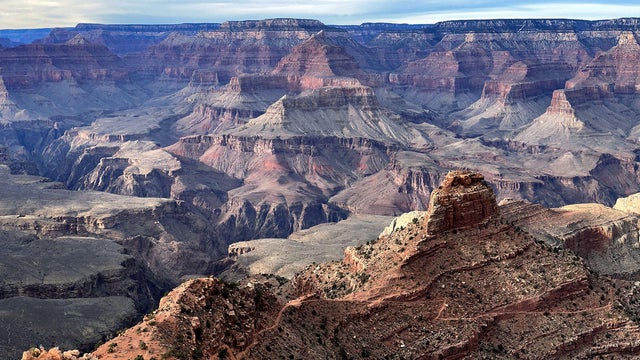
The 67-year-old Texas man appeared to have turned back while hiking, park officials said.

Chelsea, Massachusetts, is plagued by what is known as the Urban Heat Island effect, in which pavement and vehicles soak up and radiate heat.
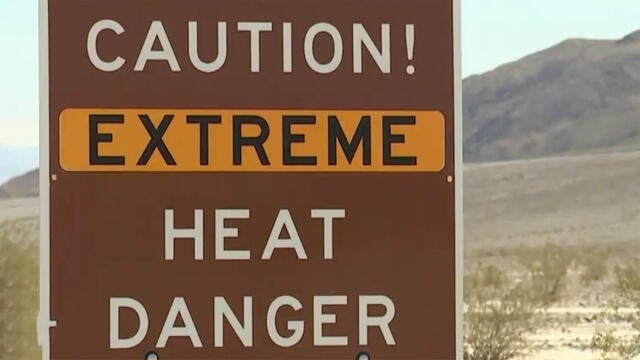
In this episode of "ClimateWatch," CBS News' national environmental correspondent David Schechter explores the ways humans and animals can protect themselves from the summer heat.

As temperatures soar this summer, are powdered products marketed as hydration multipliers worth it?

Europe is experiencing a record-breaking heat wave that has forced the Eiffel Tower summit to shut down and hundreds of French schools to close. CBS News' Ramy Inocencio has the latest from Paris.
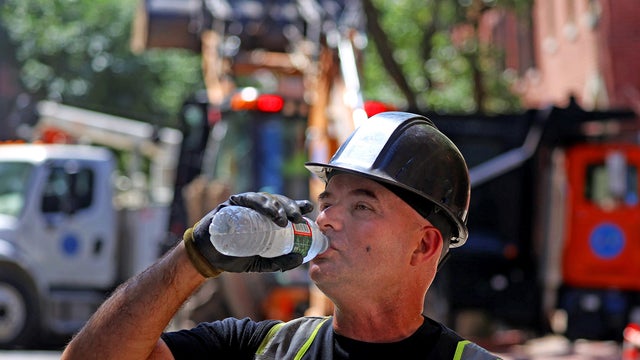
Outdoor workers in jobs like construction and landscaping are especially at risk when the mercury soars, doctors say.

As the first major heat wave hit the Northeast this week, city dwellers experienced what is known as the "island effect." Here's how one neighborhood plans to stay cool amid the extreme heat.
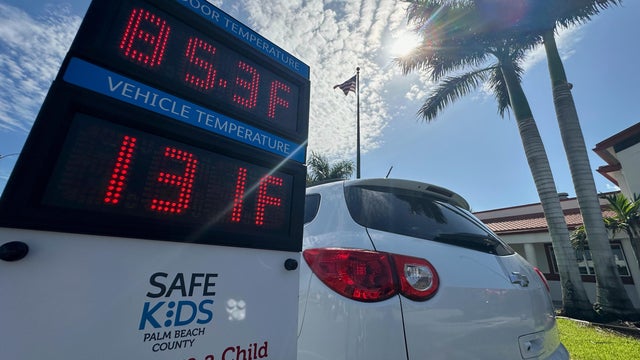
Nine children have died in the U.S. after being left in hot cars this year, according to data from Kids and Car Safety.

In Chelsea, Massachusetts, one city block is being transformed to test solutions for extreme urban heat. Ben Tracy from Climate Central reports.

Over the last five years, researchers have found that the death rate for saguaros in the Phoenix area jumped from 1% to 2% every year, and is now closer to 7%

Arizona's saguaro cactus has evolved to thrive in the extreme climate of the Sonoran Desert, but after decades of rising heat, even these towering icons are showing signs of stress. Kris Van Cleave reports.

Extreme heat can have some serious and dangerous impacts on people's health. A study published in the Journal of the American Medical Association found that more than 2,300 Americans suffered heat-related deaths in 2023, the highest number recorded. Dr. Eric Legome, chair of emergency medicine of the Mount Sinai West and Morningside Hospital, joins "The Daily Report" with tips on how to stay safe.

Dozens of record high temperatures were set Tuesday across parts of the U.S., and it's not over yet.

Health officials say heat can be especially dangerous for pregnant women. David Schechter reports on how climate change is raising those risks.

Southwest Airlines launched a multi-million dollar initiative after extreme summer heat led to beverage cans bursting on flights.

The start of summer delivered a sudden shift in weather, as millions of Americans are bracing for what's expected to be an extremely dangerous heat wave. Ali Bauman and Andrew Kozak have more.
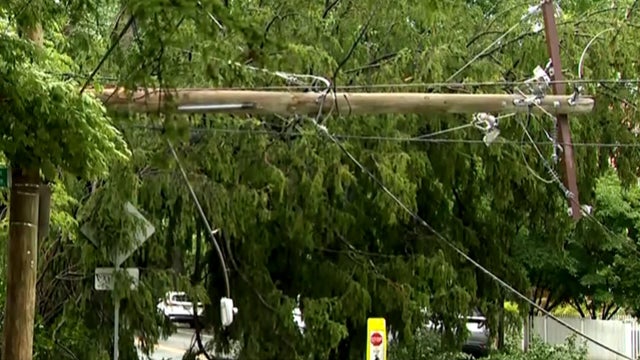
Hundreds of thousands lost power after powerful storms swept from North Carolina to New York. Now, record-breaking heat is moving in, with nearly 75 temperature records expected through Monday.

A dangerous heat wave is expected in parts of the U.S. Las Vegas, Nevada, is already bracing for temperatures in the triple digits. CBS News' Andres Gutierrez reports.

Another brutal heatwave is roasting the Southwest with Las Vegas finding itself in the middle of its fourth extreme heat warning before summer officially begins. CBS News reporter Andres Gutierrez has more.

According to data from research nonprofit Climate Central, heat has accounted for nearly half of weather-related power outages in the U.S. between 2000 and 2023. CBS News national environmental correspondent David Schechter visited a New York City building that relies on ice to keep the temperature down.

The "ice battery" system freezes water at night when the cost of electricity is low. Then, during the day, when the price is high, the building is cooled with the previous night's ice instead of using expensive electricity.

A new report found that nearly half of the world's population has been forced to endure an extra month of extreme heat due to climate change. Kristina Dahl, a reviewer of the findings, joins "The Daily Report" to discuss.