How to save on winter heat and energy costs
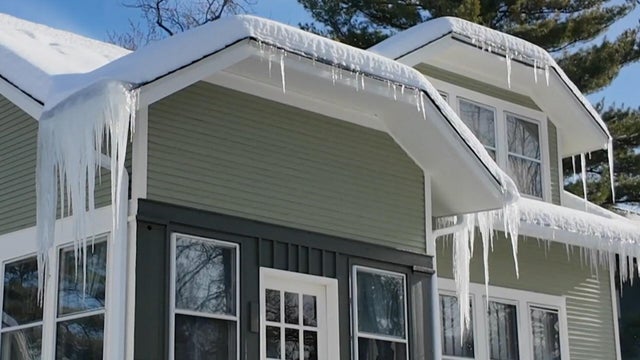
Cold weather spikes often mean higher energy bills. Ash-har Quraishi has tips on how people can "energy audit" their own homes and lower the cost of their monthly heating bills.
Watch CBS News
Cold weather spikes often mean higher energy bills. Ash-har Quraishi has tips on how people can "energy audit" their own homes and lower the cost of their monthly heating bills.
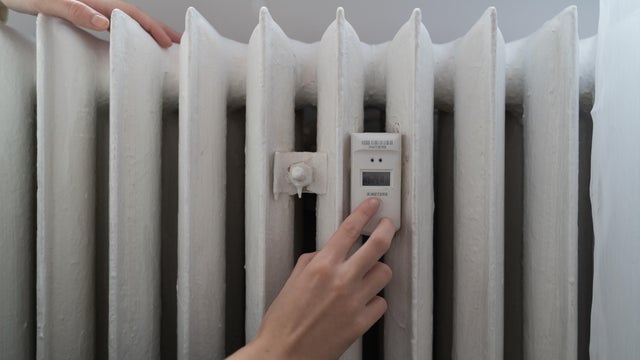
Americans will pay 7.6% more to heat their homes this winter, study finds.

Human-caused climate change drove up risky and unnatural heat for nearly 2 billion people this summer, according to a new report from Climate Central. CBS News national environmental correspondent David Schechter breaks it down.

Human-caused climate change led to extreme heat worldwide between June and August, a new report by Climate Central shows. Kristina Dahl, vice president for science at Climate Central, joins with more details.

A police dog died after being left unattended inside a hot car, according to the department where the dog had served since 2021.
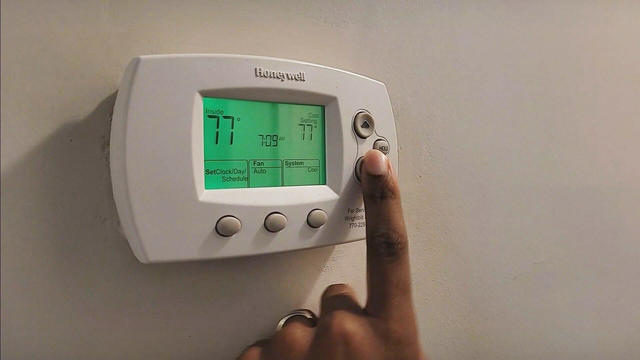
It's debated whether the AC should stay on or be turned off when people leave during the day. Here are some things to consider.
President Trump's budget proposal for the 2026 fiscal year would eliminate the Low Income Home Energy Assistance Program, which serves more than six million Americans.
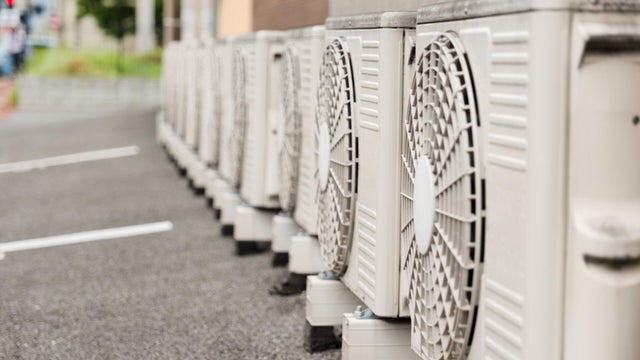
Electricity costs are surging as climate change makes the hottest days of the year even hotter. David Schechter reports.

Dr. Jon LaPook and celebrity trainer Kira Stokes join "CBS Mornings Plus" to share medical and practical tips for safely exercising outdoors in hot weather. They explain how to adjust workouts during heat waves, spot warning signs of heat-related illness and stay on track with fitness goals.

When the summer heat rises, studies show it can feel as much as 15 to 20 degrees hotter in crowded urban centers compared to areas with more trees and greenery. Elise Preston shows us one effort to turn a "heat island" into a cool oasis.
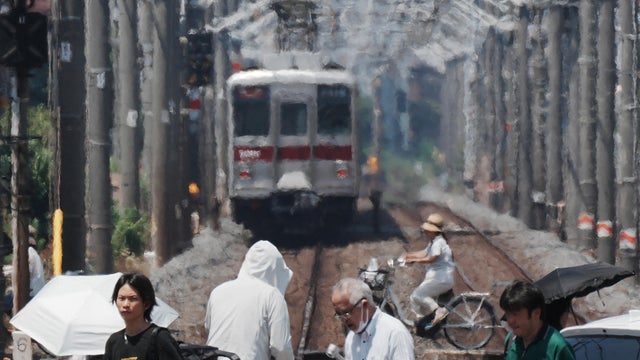
Japan logged two new heat records in a single day as the mercury hit 41.6 degrees Celsius (106.88 degrees Fahrenheit) and then 41.8 C (107.24 F), the weather office said.
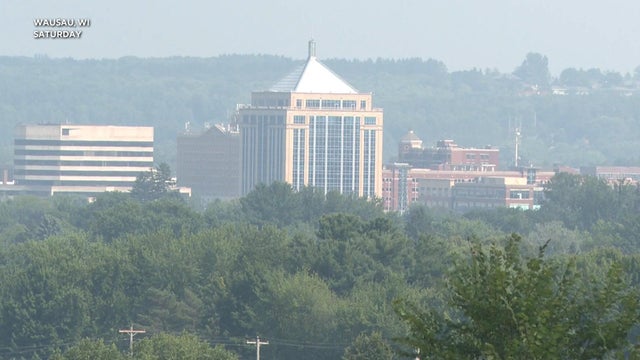
Wildfire smoke from Canada is impacting millions of people across parts of the northern United States. Over the weekend, it was a problem in the Midwest. On Monday, forecasters expect poor air quality from Wisconsin to New York. CBS News meteorologist Rob Marciano reports.

A heat wave is spreading through the Eastern U.S. this week. The rising temperatures are turning pavements and playgrounds into dangerous burn zones. CBS News climate correspondent David Schechter explains. Warning, some of the images in this story are difficult to view.
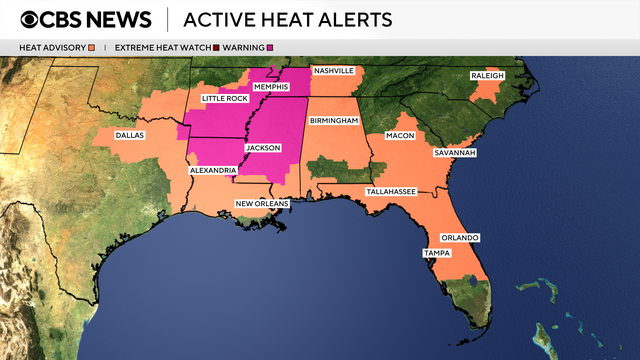
A cold front is bringing storms and lower temperatures to parts of the country, while the Midwest sees poor air quality from wildfire smoke.

The extreme heat across parts of the U.S. has forced many summer camps to bring kids indoors and take extra safety measures. CBS News' Nikki Battiste has more.
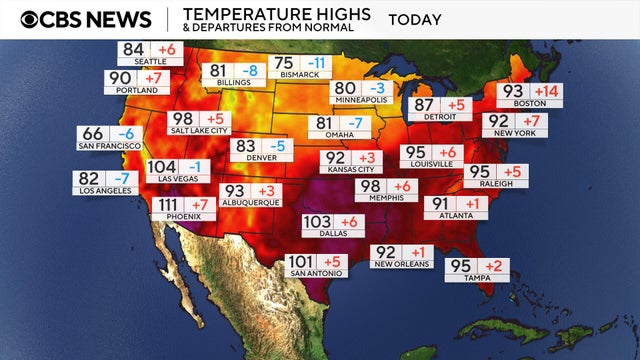
The extreme heat continues in the Midwest, the Southeast and some parts of the Northeast.

As extreme heat continues to grip large parts of the country, cities like Phoenix are turning to an unlikely -- and remarkably effective -- lifesaving tool: bags of ice. Ben Tracy reports for Climate Central.
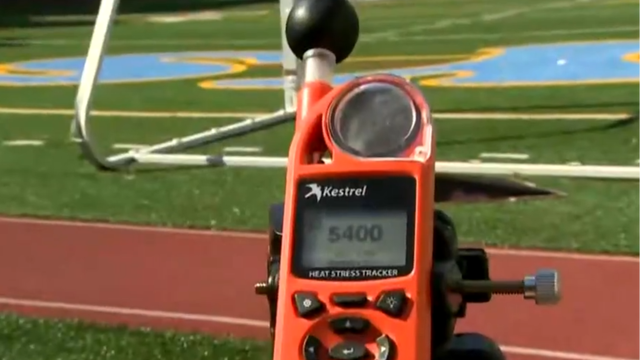
More than 160 million people are experiencing extreme heat in parts of the U.S. The dangerous heat has forced some young athletes to change how they practice.

Heat warnings are in effect across the East, and some cities expect to reach record-high temperatures. CBS News Philadelphia meteorologist Kate Bilo has more.

More than 100 million Americans are under heat alerts until at least next week. In some place, the feel-like temperatures topped 105 degrees Fahrenheit. Meanwhile, some parts of the U.S. are dealing with dangerous flash floods. CBS News' Bradley Blackburn has more.
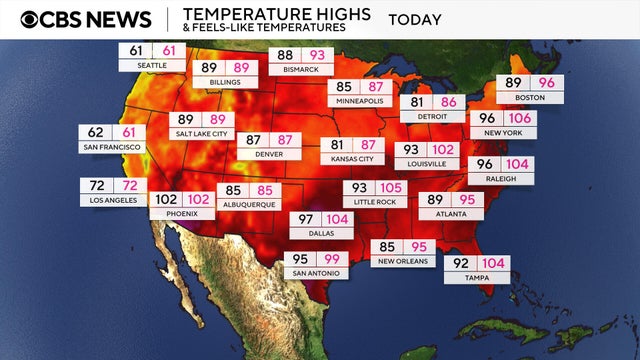
More than 100 million Americans are under heat alerts as the extreme temperatures that have smothered the Midwest this week arrive on the East Coast.

Extreme and dangerous heat is impacting millions of people across the country. In some areas, it felt as hot as 115 degrees Fahrenheit. Lana Zak has more from Iowa City.
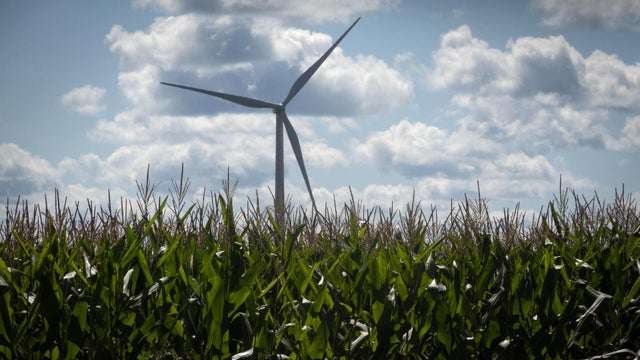
A massive heat wave is slamming parts of the United States, and in Iowa, "corn sweat" is making things worse. CBS News' Lana Zak reports.

Flash flooding in Kansas City left one woman clinging to a tree and another dead in nearby Overland Park. Wildfires in eastern Washington forced evacuations, while more than 60 million Americans remain under heat alerts.
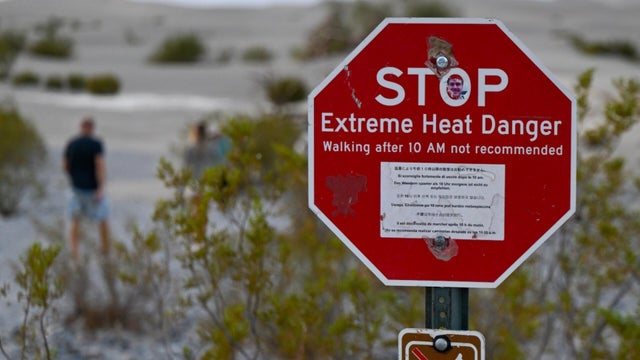
Under federal law, there are 16 types of natural disasters eligible for federal funding, but extreme heat is not one of them. A group of Democratic lawmakers is proposing legislation to change that. Jean Su, the energy justice director at the Center for Biological Diversity, joins "The Daily Report" to discuss.