Biden and the economy: What it means for your wallet
The incoming Biden administration will face a host of economic challenges — COVID-19 and partisan politics won't help.
Watch CBS News
The incoming Biden administration will face a host of economic challenges — COVID-19 and partisan politics won't help.

More than 100,000 new coronavirus infections were reported this week, breaking a daily case record. Nikki Battiste reports.
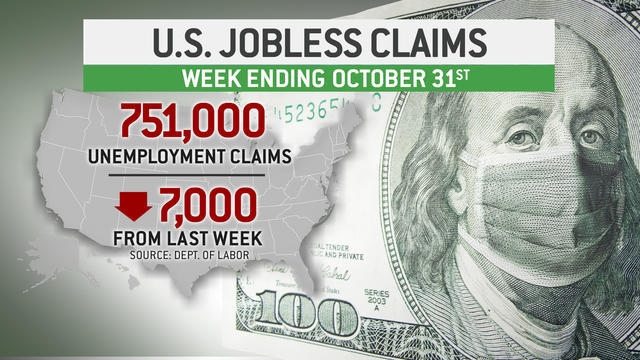
The latest jobs report from the Department of Labor shows 751,000 Americans filed for unemployment in the week ending October 31, a decrease of 7,000 claims from the week before. Mark Hamrick, senior economic analyst for Bankrate, looks at what these numbers mean for our economy.
According to CBS News exit polling, the top issue for Biden voters was getting control of the coronavirus pandemic, while President Trump's supporters were more concerned with the economy. CBS News chief Washington correspondent Major Garrett helps break down some of the early exit polling on Election Day.
Public health and economic crises are driving voters to the polls in record numbers this election. BIden campaign surrogate and former White House economic adviser Austan Goolsbee joins CBSN with a look at the differences in the policy paths offered by the two candidates.
The U.S. Gross Domestic Product grew by 7.4% in the third quarter, meaning the country has recovered about two-thirds of economic activity lost due to the coronavirus pandemic. The news comes as President Trump and Joe Biden make their final pitches to voters on the eve of Election Day. Peter Navarro, director of the Trump administration's Office of Trade and Manufacturing Policy, joined CBSN to discuss.
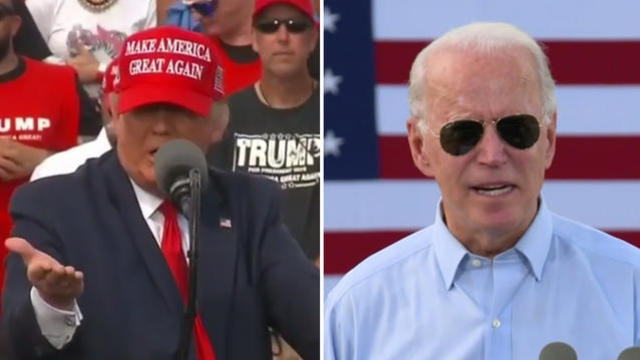
President Trump is celebrating the third-quarter economic rebound from the low point brought on by the coroanvirus pandemic. CBSN political reporter Caitlin Huey-Burns and Washington Post political reporter Jacqueline Alemany spoke to "Red and Blue" host Elaine Quijano about why the latest GDP number is not all it appears, plus the latest on legal challenges to voting rules in several key states.
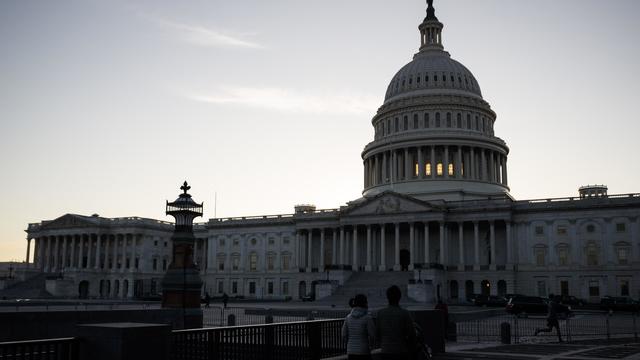
Pelosi placed the blame for the ongoing stalemate squarely on the Trump administration.
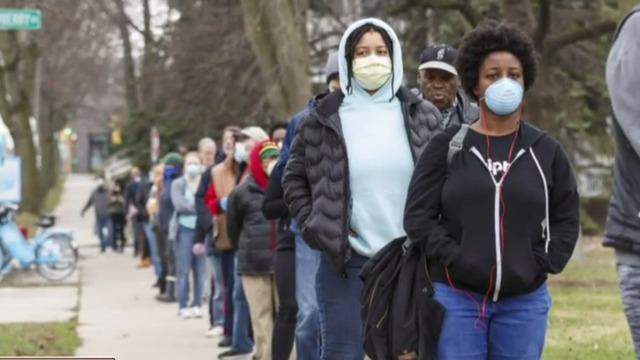
CBS MoneyWatch senior reporter Stephen Gandel joins CBSN to discuss how economic conditions triggered by the coronavirus pandemic may play a key role in this year's election.
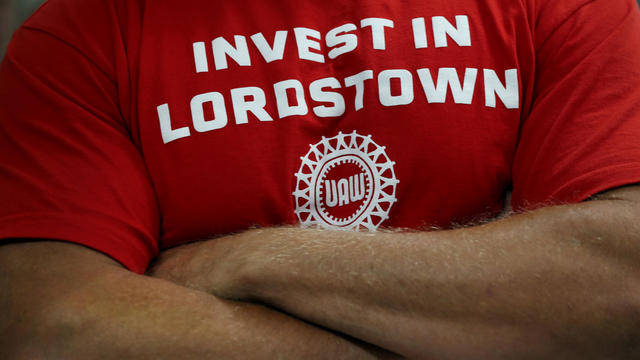
An uneven recovery has left electorally crucial states in the dumps, while others are bouncing back. Ohio, Georgia and Arizona tell the tale.

New research from Northwestern Mutual shows Americans are actually saving more money during the coronavirus pandemic, though that's not the case for everyone. Northwestern Mutual's Chantel Bonneau Stewart joins CBSN with a closer look.

Some 23 million Americans are still without work amid the coronavirus pandemic, which is causing many families to struggle to feed their loved ones. Mark Strassmann takes a look.
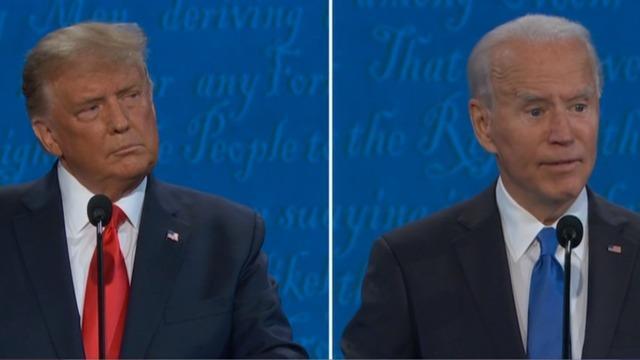
President Trump and former Vice President Biden went head-to-head Thursday night during the second and final presidential debate. The candidates clashed on nearly every issue, including the Trump administration's response to the coronavirus. Nikole Killion reports.
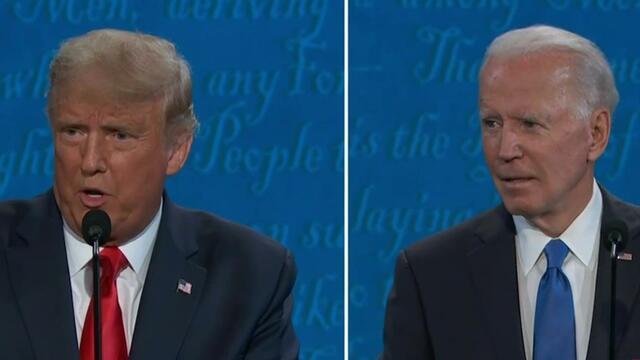
In their final presidential debate before Election Day, President Trump and Democratic presidential nominee Joe Biden debate the ongoing battle over approving a bill that would help Americans financially during the pandemic. Watch their exchange here.
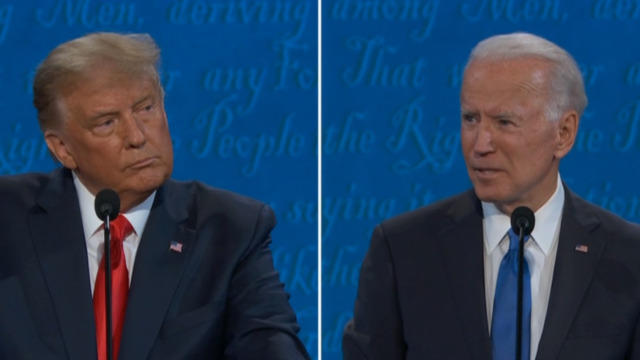
In their final presidential debate before Election Day, President Trump and Democratic presidential nominee Joe Biden sparred over whether to raise the federal minimum wage. Watch their exchange here.
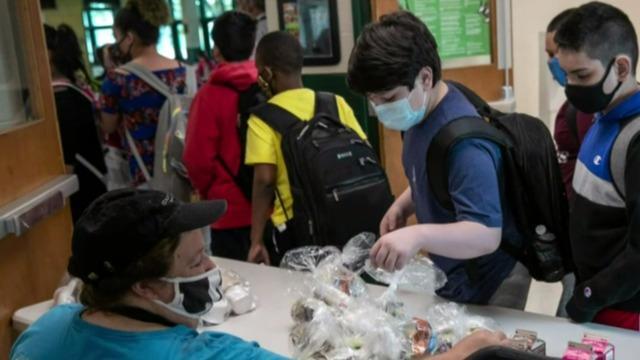
Millions of Americans are living without adequate access to food, and with the surging number of cases of COVID-19 nationwide we are seeing growing issues with food security. The Rockefeller Foundation recently published a report highlighting the steps the nation needs to take to combat the growing food crisis. Devon Klatell, managing director of the food initiative at the Rockefeller Foundation, joins CBSN to discuss possible solutions.
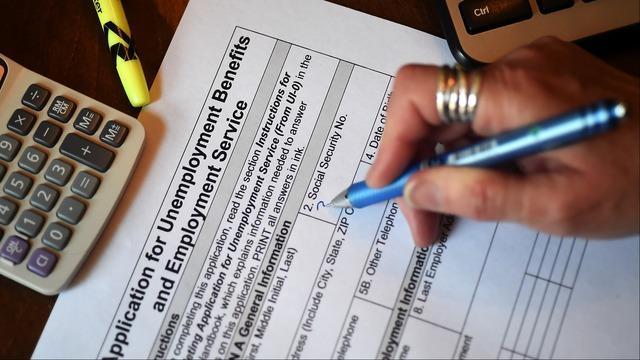
Fewer workers are filing for first-time unemployment benefits, a sign the COVID labor market is picking up.
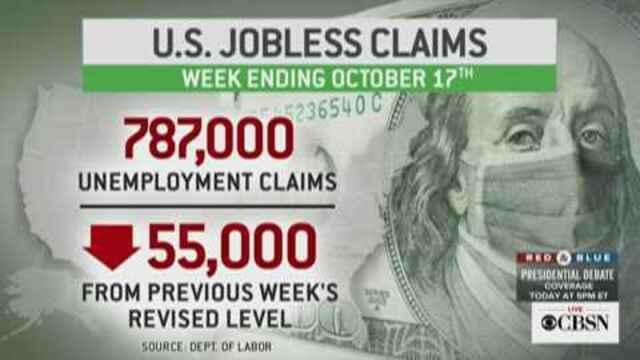
According to the Labor Department, 787,000 Americans filed first-time unemployment claims last week, down 55,000 from the previous week. Mark Hamrick, Washington bureau chief and senior economic analyst at Bankrate, joins CBSN to discuss what this means for the economy, and the impact it could have on the 2020 election which is now less than two weeks away.
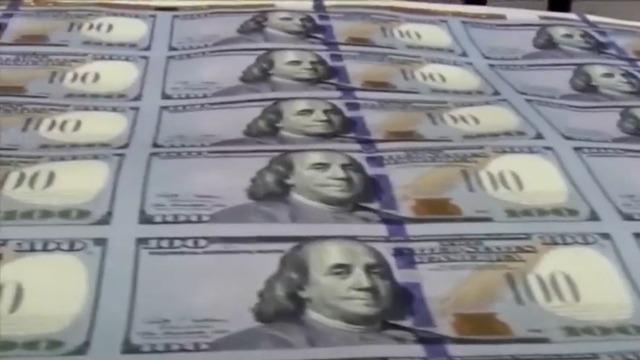
Millions of Americans are waiting for lawmakers on Capitol Hill to come to an agreement on a second coronavirus stimulus package. It's been months now since funds from the original CARES Act ran out. Dr. Lisa Cook, a professor of economics at Michigan State University and a former senior economist at the President's Council of Economic Advisers, discusses who needs a second round of stimulus the most, and why lawmakers should have a better system in place for the next economic crisis.
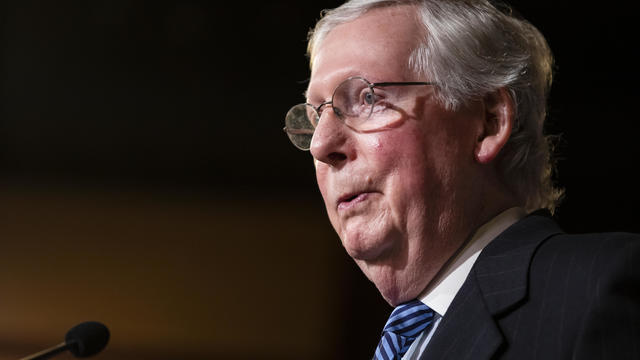
The Senate Majority Leader told Senate Republicans on Tuesday that he had warned the White House against making a deal.
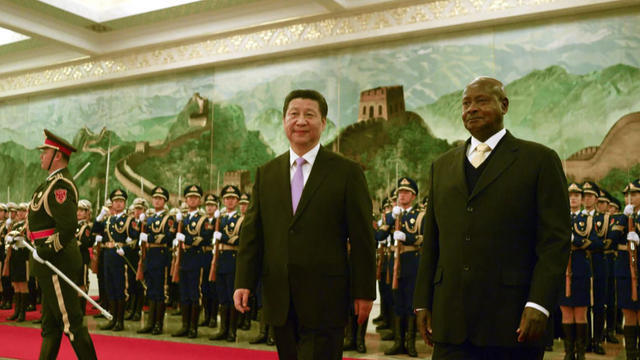
Over the last several decades, China has invested hundreds of billions of dollars in Africa. Many scholars believe Beijing is doing this to gain political leverage and influence in the region. Grant Harris, the CEO of Connect Frontier and a former special assistant to President Obama for African affairs, joins CBSN with a closer look.
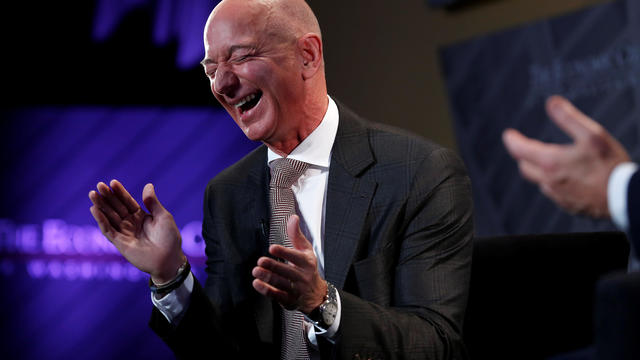
Amazon.com's Jeff Bezos received the biggest boost in personal wealth, with a gain of $90 billion, a study says.
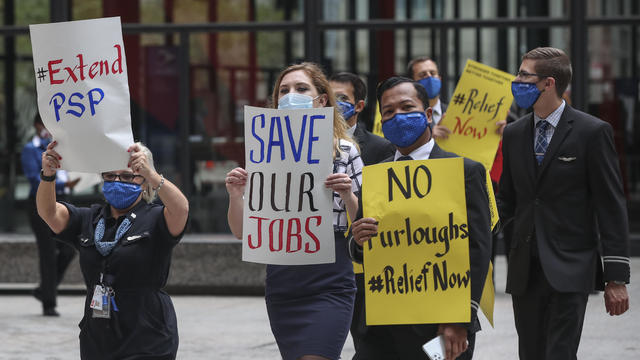
As PPP business loans run out, economists see a second wave of layoffs. "It feels completely arbitrary," said one worker made jobless.

Frustration is growing as Congress tries to agree on money for coronavirus testing, unemployment benefits and schools. Janet Shamlian reports.
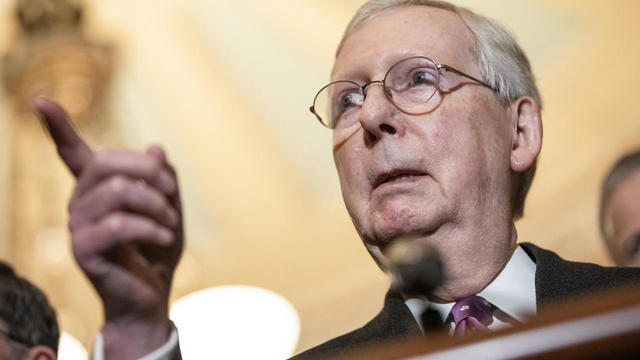
The bill would cost around $500 billion, significantly less than House Democrats and the White House are seeking.