How to dispose of e-waste this Earth Day
Tuesday marks Earth Day, and if you have any unused devices at home, there are green ways to dispose of them. CNET senior technology reporter Abrar Al-Heeti joins CBS News to discuss.
Watch CBS News
Tuesday marks Earth Day, and if you have any unused devices at home, there are green ways to dispose of them. CNET senior technology reporter Abrar Al-Heeti joins CBS News to discuss.

CBS News anchor Walter Cronkite hosted a special broadcast for the first Earth Day on April 22, 1970. He closed out the broadcast with a message with the world about the environment and climate change.
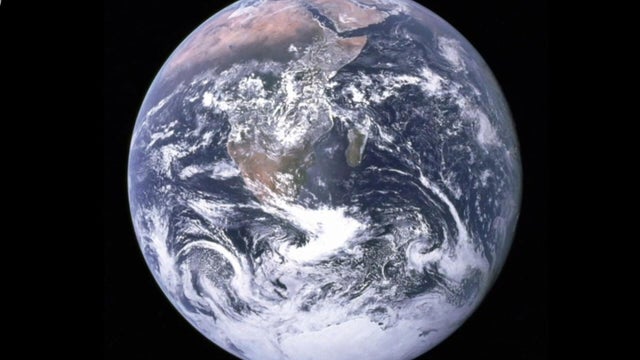
If Earth's entire 4.5 billion-year history was squeezed into a single, 24-hour day, when would modern humans arrive? "CBS Evening News" co-anchor John Dickerson ponders the meaning of Earth Day.
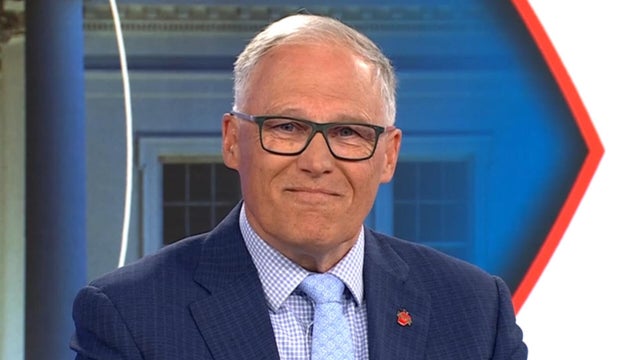
President Trump's version of the Environmental Protection Agency has made deregulation of federal environmental rules its key focus. Former Washington Gov. Jay Inslee joins "America Decides" this Earth Day to share his thoughts on the Trump White House's climate policies.
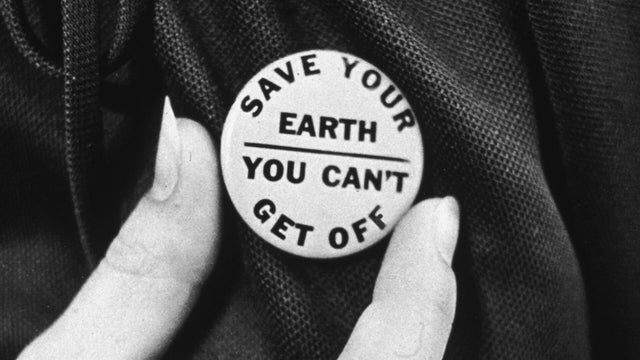
Climate conditions affecting the planet continue to develop since the first Earth Day was celebrated in 1970. CBS News' David Schechter breaks down the newest challenges the Earth is facing.
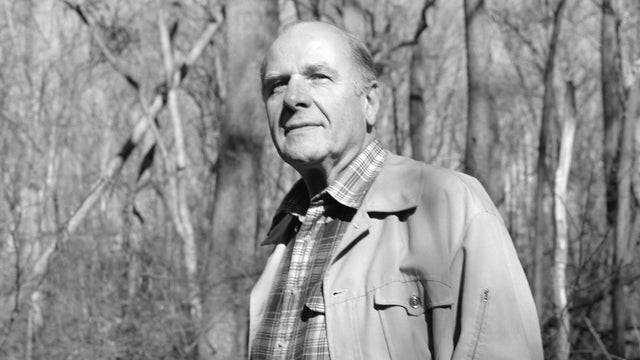
Gaylord Nelson, the late U.S. senator and governor of Wisconsin, is considered the founder of Earth Day, which started in 1970.

From April 22, 1970, CBS News covers the first ever Earth Day with reports from across the United States. Note: This CBS News program aired in 1970 and includes terminology that adhered to the standards of its time. It is presented here with minimal edits.
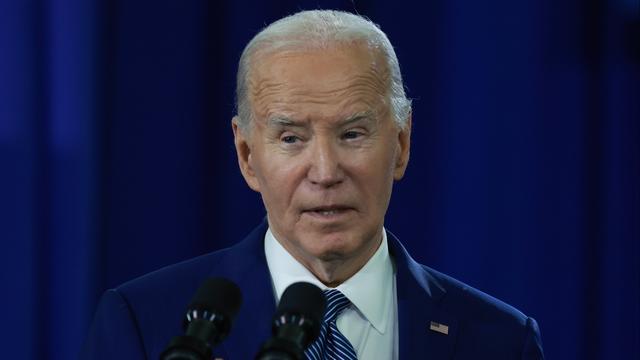
The White House is considering declaring a national climate emergency to unlock federal powers and stifle oil development, according to a Bloomberg report. Meanwhile, the Biden administration is announcing several projects this Earth Week. Columbia University Climate School professor Dr. Melissa Lott joins with analysis.
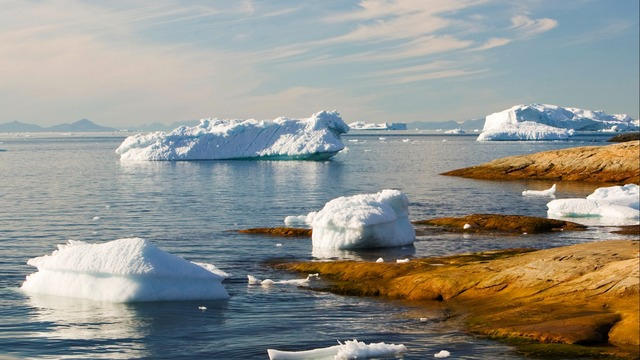
Climate change could cause a $38 trillion income loss per year globally by 2049, according to a new study by the Potsdam Institute for Climate Impact Research. CBS News' Lilia Luciano breaks down the numbers.
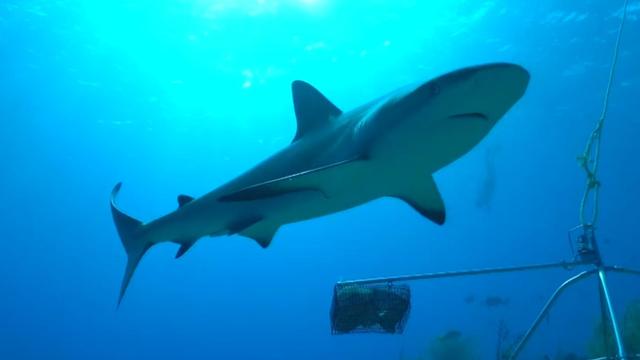
Despite how terrifying sharks might seem, the creatures are critical to the survival of the world's oceans. Oceans generate 50% of the oxygen on the planet and absorb 90% of excess heat created by global warming. CBS News senior national and environmental correspondent Ben Tracy spoke with conservationists in the Bahamas.
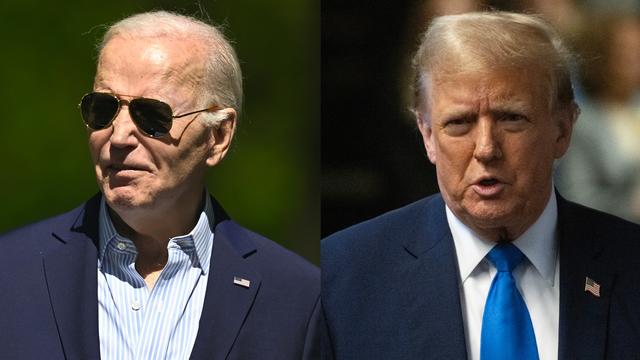
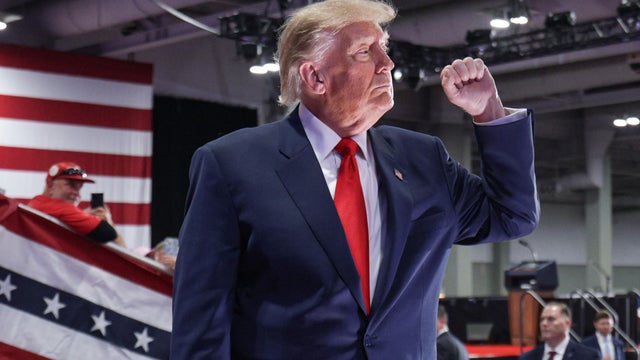
President Biden was on the campaign trail in Virginia on Monday for an Earth Day event, while former President Donald Trump spent the day inside a Manhattan courtroom. Michael Tyler, communications director for the Biden campaign, joins CBS News to discuss the latest in the 2024 race.

A new CBS poll finds that most of the public favors the U.S. taking steps to address climate change. CBS News executive director of elections and surveys Anthony Salvanto breaks down the numbers.
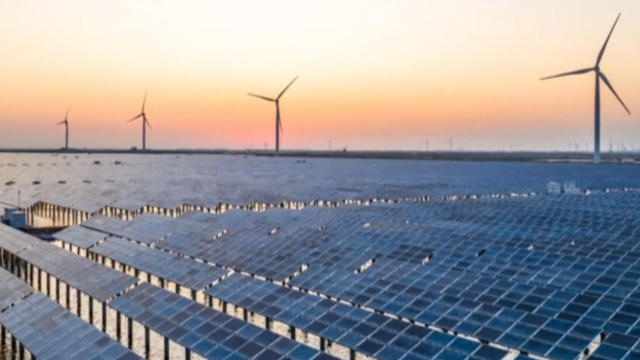
The Environmental Protection Agency on Monday announced $7 billion worth of federal grants for projects that will provide solar energy to 900,000 low-income and disadvantaged households. John Podesta, a senior advisor to President Biden on international climate policy, joins CBS News with more.
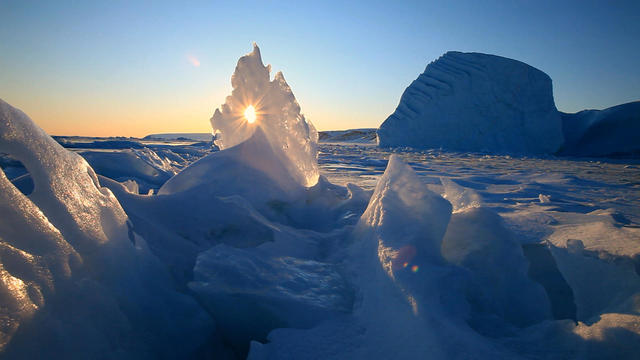
To mark Earth Day, 60 Minutes looks back on our reporting on climate change and the environment over the years.
Monday, April 22, is Earth Day, when we celebrate our world and support protection of the environment. "Sunday Morning" looks at some facts about our changing planet.

Starbucks unveiled the new cups ahead of Earth Day and as a new report warns plastic production emissions are even greater than those from aviation.
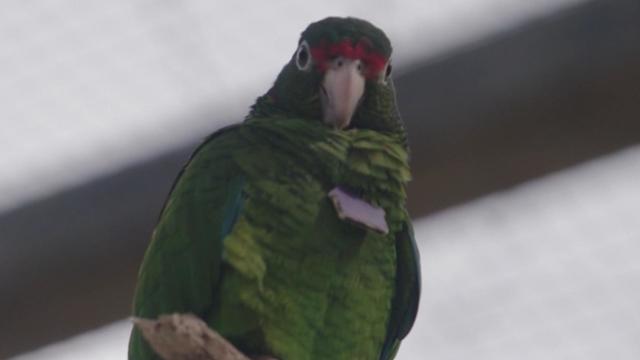
Some of the most critically endangered birds on the planet have been released back into the wild. CBS News national environmental correspondent David Schechter has more on the harsh conditions Puerto Rican parrots face, and the people working to save them.
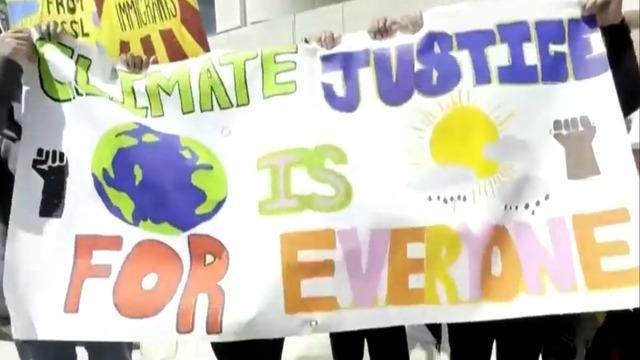
Saturday is Earth Day, which was first created in 1970 to increase awareness about environmental issues. Environmental activists are blaming the unusual weather patterns that are being seen globally on climate change. Elise Preston has more.
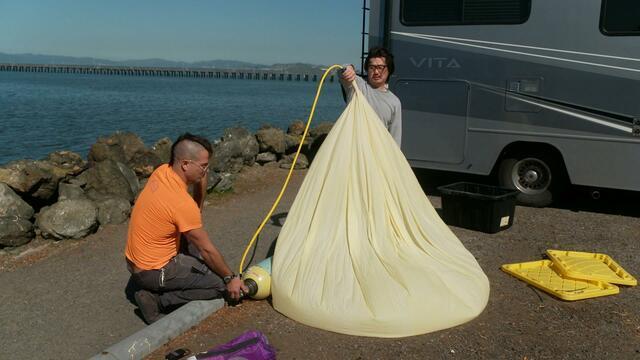
As scientists work to blunt the impacts of climate change, a controversial method called geoengineering is being considered as a way to help cool the planet. Ben Tracy has more.
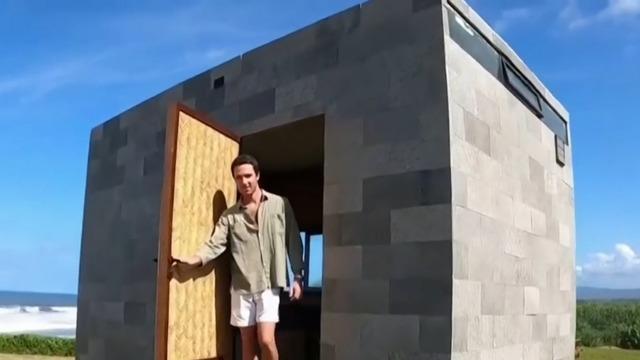
A man in Bali built a recycled tiny house from 35,000 plastic bags and other waste. CBS News' Tina Kraus shows us how he did it, and the lasting impact he hopes it will make.
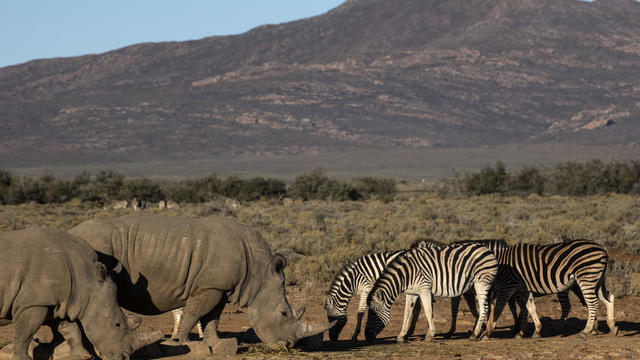
An unprecedented rate of animal species have disappeared from the planet because of humanity's impact on the planet. CBS News' Elaine Quijano explains why scientists say the crisis is only getting worse.

Nearly 40% of U.S. food ends up in a landfill. CBS Reports executive producer Adam Yamaguchi joins Lana Zak and Errol Barnett with a look at how some chefs are transforming unwanted leftovers intro trendy meals.
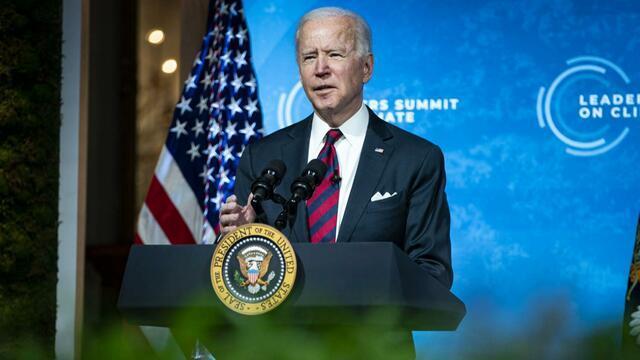
President Biden holds virtual Earth Day summit; California governor facing possible recall

The CDC acknowledges that COVID-19 likely originated in bats and then jumped to humans. Ahead of Earth Day, David Quammen, author of "Spillover: Animal Infections and the Next Human Pandemic," joins CBS News' Lana Zak to talk about the connection between humans, animals, and the Earth we all share.

Australia has seen a massive increase in fires, droughts, floods and heat waves over the past two decades. The rise in these extreme weather events has dangerous implications for humans and wildlife in the country. Amanda McKenzie, CEO and co-founder of the Climate Council, joined CBS News' Lana Zak to discuss.