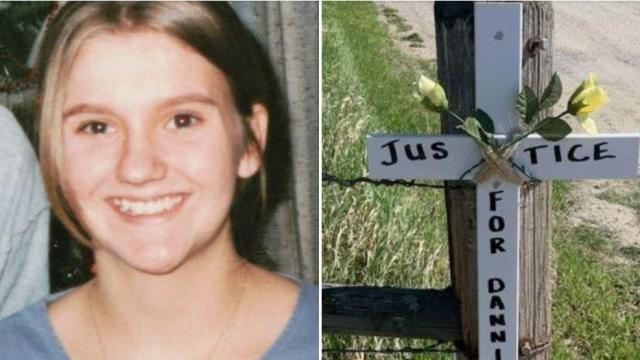
Man found dead hours after being questioned about girl's 1996 murder
Nearly three decades after 15-year-old Danielle Houchins was found dead, authorities say DNA finally led them to her killer.
Watch CBS News
Nearly three decades after 15-year-old Danielle Houchins was found dead, authorities say DNA finally led them to her killer.
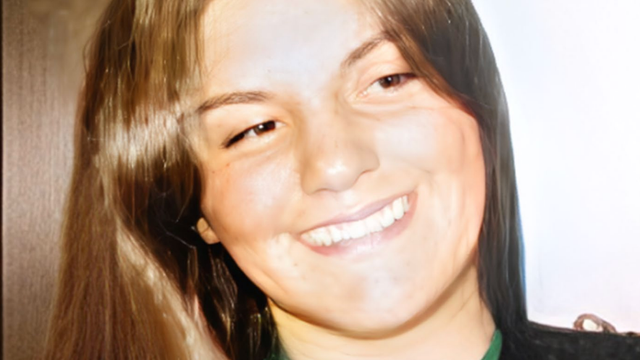
Judith Lord, 22, was found dead in her Concord, New Hampshire apartment in May 1975. Her young son was found in the next room.
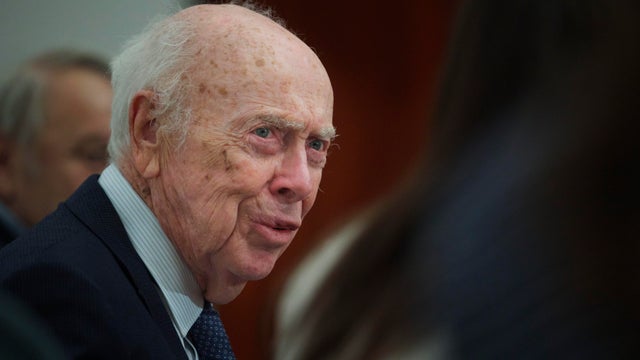
James D. Watson, who helped discover the structure of DNA, has died at 97 years old.
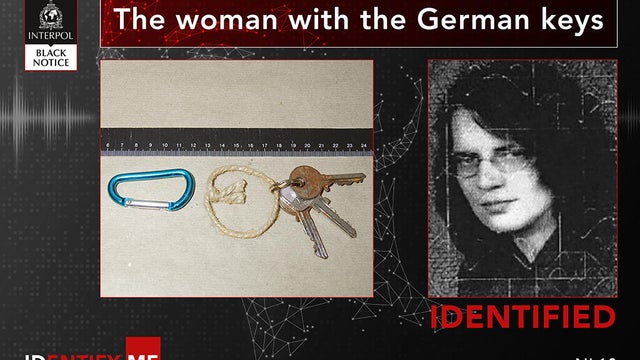
Eva Maria Pommer's body was found on July 4, 2004. She was dressed in an unusual number of layers of clothing for the summertime, Interpol said.

A woman is murdered in her home and the pivotal clue at the crime is a bloody footprint her killer left behind. "48 Hours" correspondent Erin Moriarty reports.

Did a father use his 6-year-old son as an alibi for murder? A son grapples with his parents' troubled past. "48 Hours" contributor Vladimir Duthiers reports.
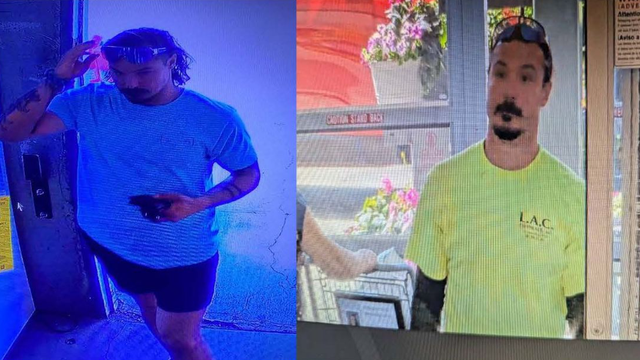
Travis Decker is accused of killing his three young daughters, whose bodies were found near a campground in central Washington.
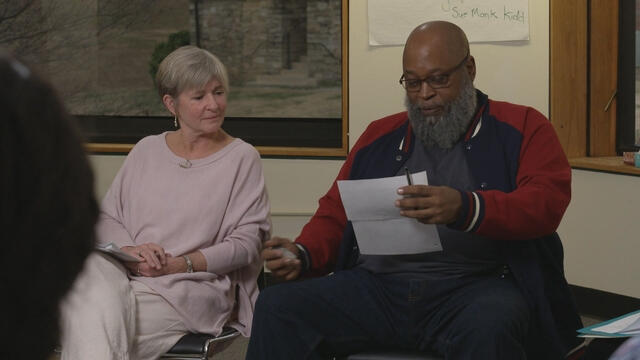
A rape survivor, guilt ridden after learning that an innocent man had been sent to prison in her case, brings together crime victims and exonerees to help heal those impacted by wrongful convictions.
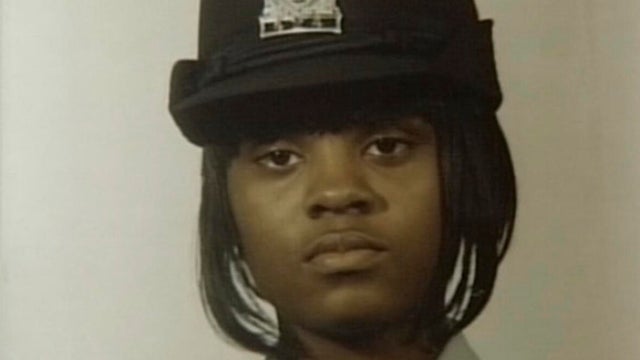
Denna Campbell was shot five times in her apartment in 1995. Her department-issued handgun was missing and hasn't been found.

A 64-year-old man living in Arizona at the time of his arrest has been charged after DNA linked him to a California cold case.
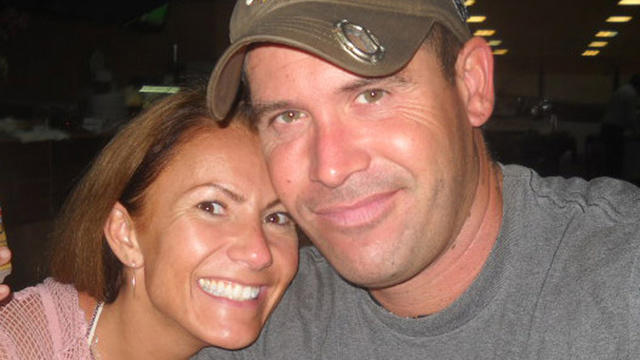
An ex-Marine with a secret life and a secret wife. A five-year investigation turns on shocking DNA evidence -- is the one-time hero a killer, too? "48 Hours"' Peter Van Sant has the latest in the case.

First, Putin’s courageous Russian critics speak out. Then, exonerees and survivors come together to heal.
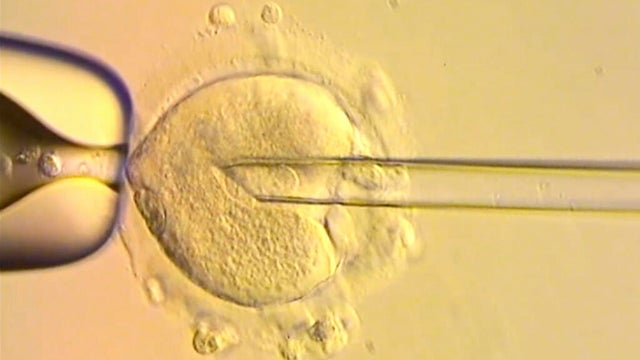
A groundbreaking IVF trial has raised hope that women with genetic mutations in their own DNA could one day have children without passing on deadly diseases.
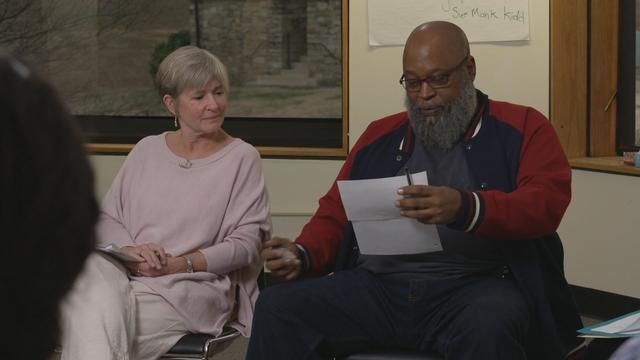
A rape survivor, guilt ridden after learning that an innocent man had been sent to prison in her case, brings together crime victims and exonerees to help heal those impacted by wrongful convictions.

Barbara Rae-Venter never anticipated that her genealogy hobby would lead to the capture of one of California's most notorious criminals, the Golden State Killer. Her pioneering use of genetic genealogy has since helped solve numerous cold cases.

The foundation aims to list all unknown graves on the coasts of the North Sea, hoping to identify remains.
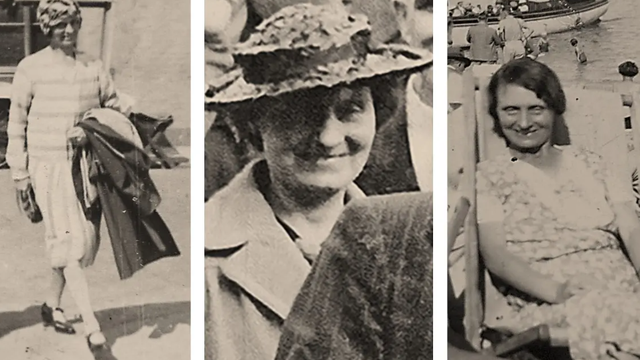
A jury found Ryland Headley, then aged 34, guilty of attacking Louisa Dunne in June 1967.

Researchers said their findings suggest husbands relocated to the wife's household upon marriage – suggesting a female dominance.
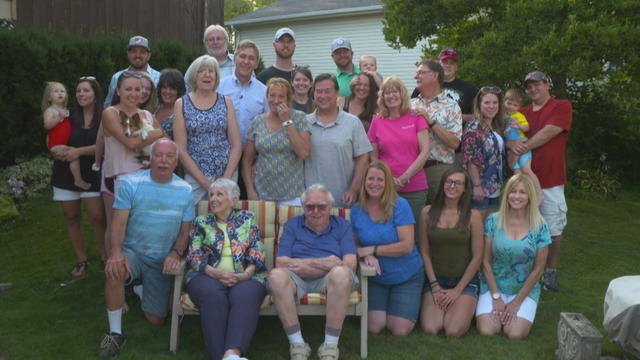
A recent survey showed about a quarter of the people who take DNA tests find a surprising result. Count among them correspondent Steve Hartman, whose search for family roots brought him to some unexpected places.
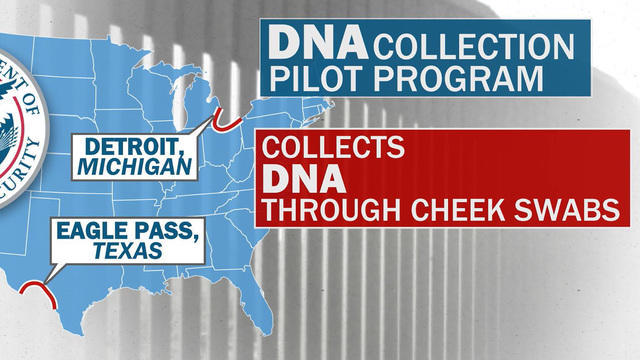
The federal government is now forcing some migrants in custody to give DNA samples. The controversial pilot program promoted by the Trump administration kicked off Monday. Border Patrol agents have been instructed to collect DNA through cheek swabs at two entry points on the U.S. borders with Canada and Mexico. In some cases, that includes migrants as young as 14.
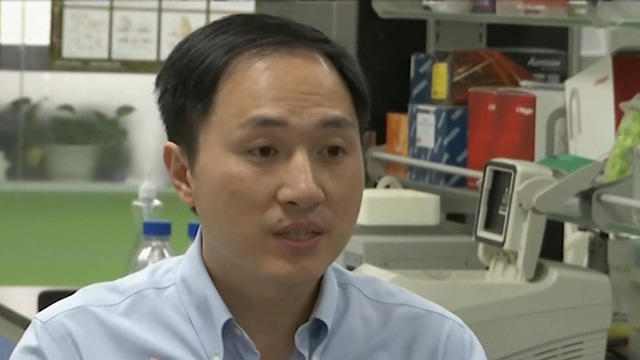
A Chinese scientist who helped create the world's first genetically edited babies is going to prison. A judge in China sentenced He Jiankui to three years for carrying out "illegal medical practices."
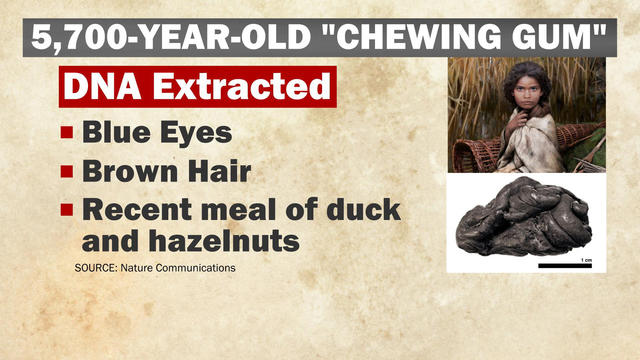
An ancient form of chewing gum is providing new insights into the life of a young girl from the Stone Age. Scientists analyzed genetic material found on a 5,700-year-old piece of heated birch bark in Denmark. The girl had chewed on it before spitting it out. Her DNA was so well preserved, scientists determined she had blue eyes and dark brown hair. They could also tell her most recent meal included duck and hazelnuts.
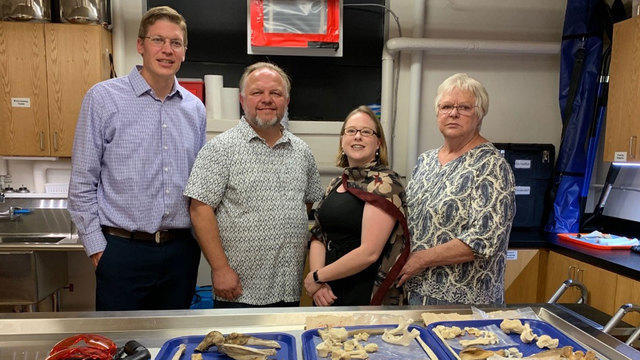
For over two decades, Carol Dodge has pursued justice for her daughter Angie, who was murdered in the summer of 1996 in Idaho Falls, Idaho. Learn how the family is helping others.

After 23 years, Idaho Falls, Idaho, detectives finally had a solid DNA lead in Angie Dodge’s murder case. CeCe Moore and Parabon NanoLabs’ research led them to Brian Dripps. Police just needed to collect his DNA to make certain. They traveled 300 miles to Caldwell, Idaho, and spent upwards of 24 continuous hours following Dripps, patiently waiting for him to toss a cigarette butt so they could test it.
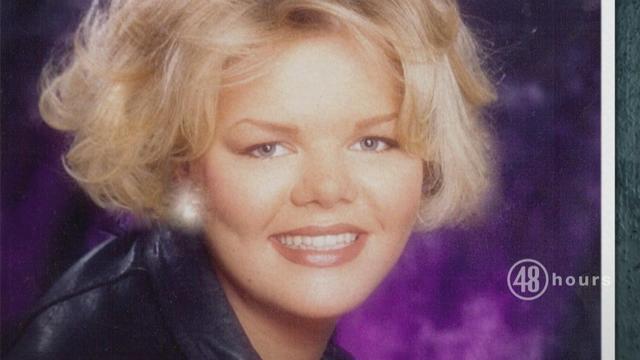
The 1996 murder of Angie Dodge has gone unsolved for more than two decades. But DNA collected from a then-public database owned by Ancestry.com has lead to a break in the case. Anne-Marie Green previews her "48 Hours" reporting on CBSN.