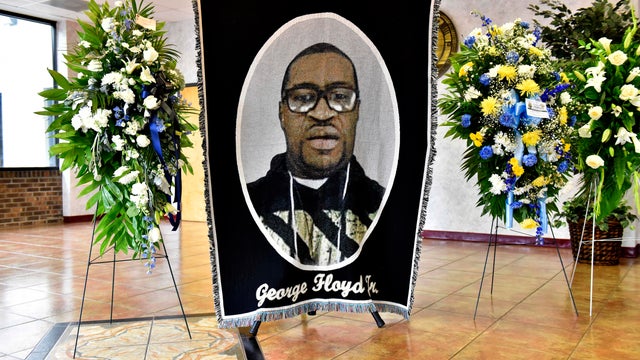
"Enough": Cries for change at George Floyd's memorial service
One of Floyd's uncles, Isaac Floyd, sang an emotional "I won't complain" at the service.
Watch CBS News
One of Floyd's uncles, Isaac Floyd, sang an emotional "I won't complain" at the service.
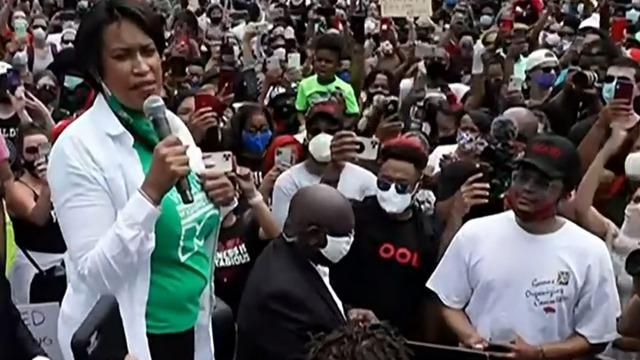
Washington D.C. Mayor Muriel Bowser spoke to protesters in Black Lives Matter Plaza on Saturday. She told the crowd "if you're like me, on Monday you saw something you hoped you'd never see in the United States of America: Federal police moving on American people peacefully protesting in front of the people's house."
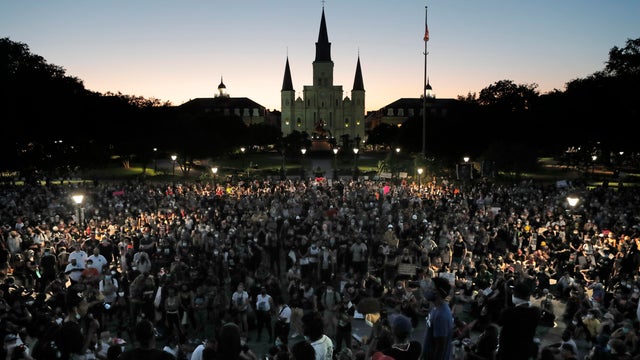
Protests continued Friday as Minneapolis, where Floyd died, said it would end the use of chokeholds and neck restraints by police.
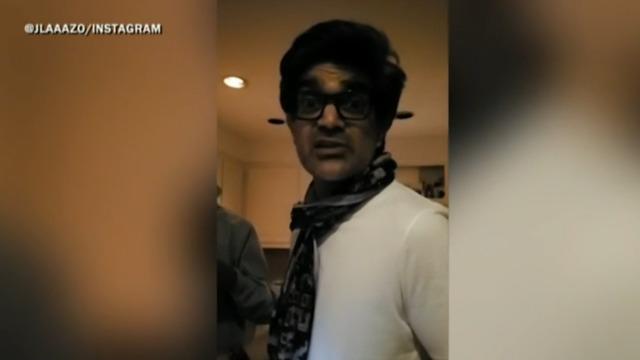
Rahul Dubey sheltered more than 70 protesters in his Washington, D.C., home Monday night as police were enforcing curfew. "It was unfathomable," Rahul Dubey said of the police violence he saw used against peaceful protesters outside his home.
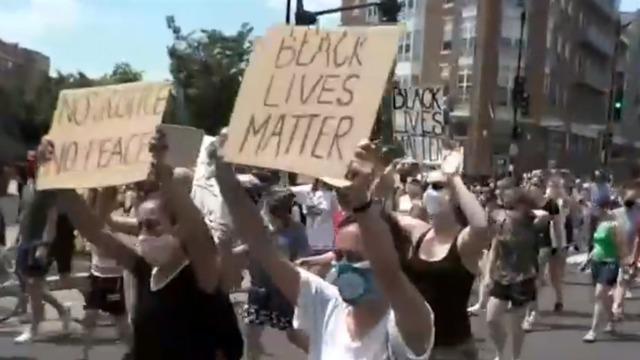
Protests continue in Washington, D.C. over the killing of George Floyd. Meanwhile, President Trump continues to clash with Mayor Muriel Bowser over the use of federal troops in the city. CBS News Washington correspondent Natalie Brand joins CBSN from the White House.
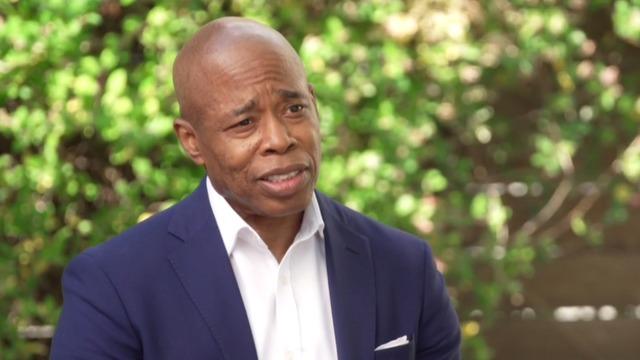
"I know what it is to have people call you Uncle Tom and hate you, and not realize it was just a few minutes ago I was marching next to you," Eric Adams said.
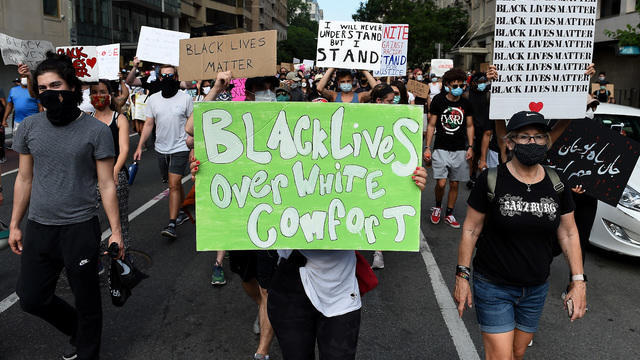
"White silence" is a phrase that's been amplified online and in recent conversations about the protests over racial inequality across the U.S. But the phenomenon is nothing new to those who have experienced and witnessed injustices. We hear from some of them, and then Michelle Saahene, co-founder of From Privilege to Progress, joins CBSN to discuss this topic and her movement aimed at driving the conversation forward.
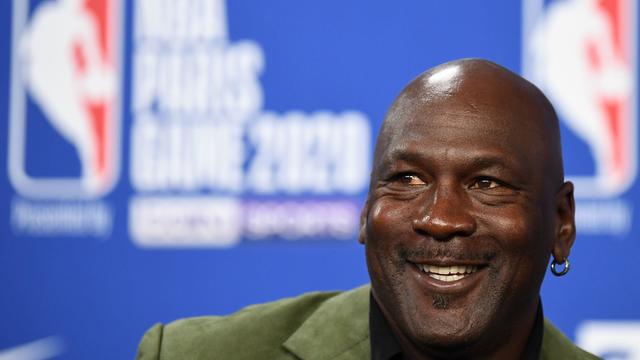
"Black lives matter. This isn't a controversial statement... we will remain committed to protecting and improving the lives of Black people," Michael Jordan and Jordan Brand said in a statement.
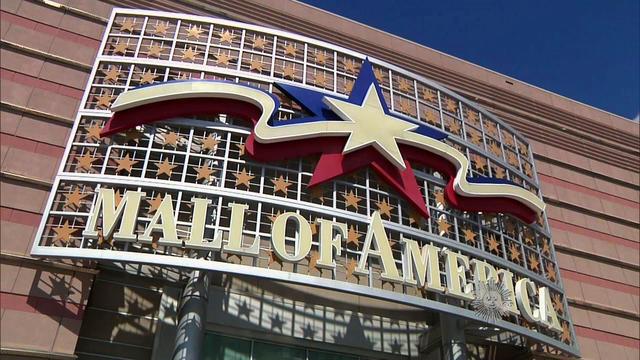
The nation's largest mall, which has been closed for nearly three months due to the coronavirus, previously delayed reopening due to unrest following George Floyd's death.
Brooklyn Borough President Eric Adams marched with anti-police brutality protesters this week, despite his complicated history with policing and racial issues. Adams, who is black, was beaten by police as a young man and later went on to serve as a New York City officer for over two decades. He spoke to Dana Jacobson about the unrest happening in New York and around the country, and what needs to happen in order to enact real change.
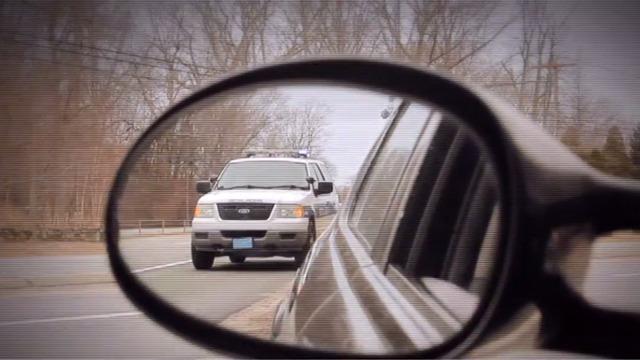
Data from the 2018 book "Suspect Citizens" shows that African Americans are typically much more likely than white people to be pulled over at traffic stops. In North Carolina, they are stopped twice as often and searched four times more than white people, despite the latter being more likely to be found with contraband items. After the high-profile deaths of Philando Castile, Walter Scott and Sandra Bland, who all died after being pulled over by police, Michelle Miller examines the troubling trend and racism behind policing minor offenses.
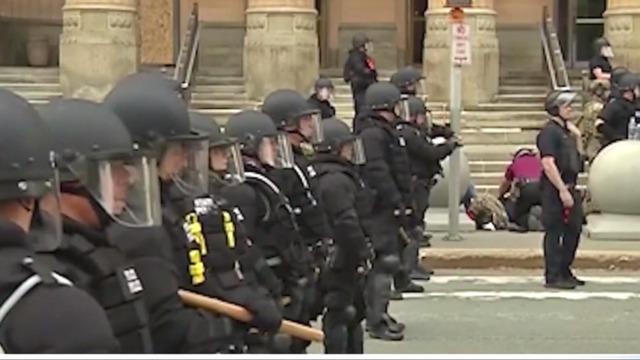
After over a week of protests over the death of George Floyd at the hands of a white Minneapolis police officer, calls for change were finally heard when city council officials voted to ban the use of neck restraints at a virtual meeting Friday. They are also requiring officers who witness unauthorized use of force to report it from the scene, and intervene verbally and physically. Jamie Yuccas looks at Minneapolis and other cities around the country that are experiencing unrest over police brutality.
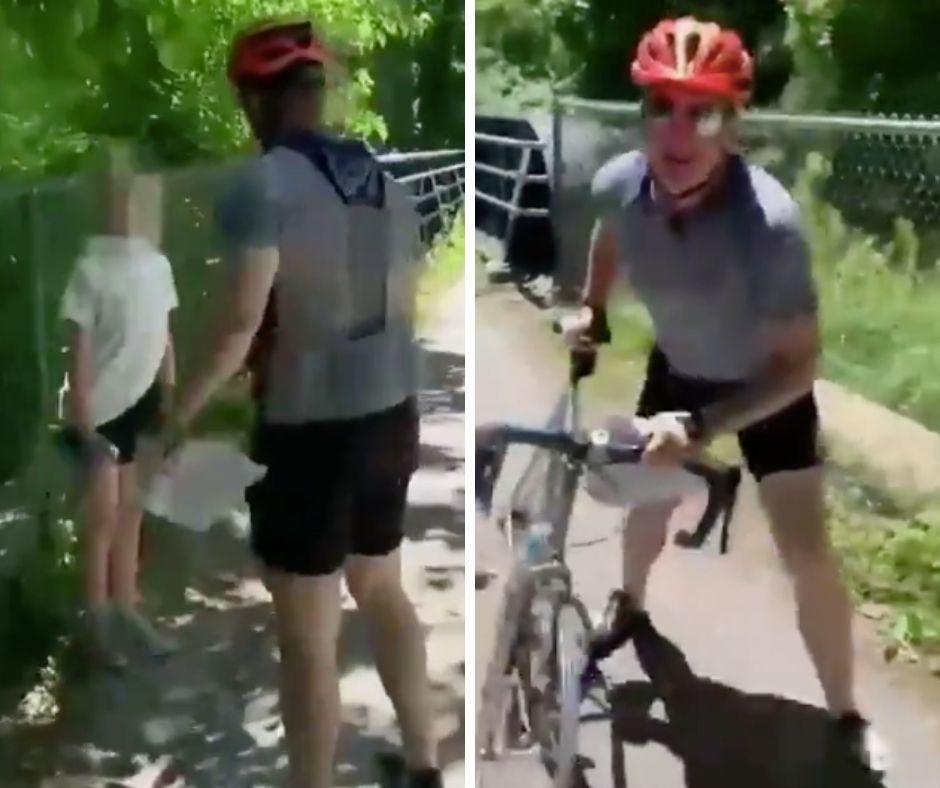
According to police, Anthony Brennan III, 60, has been charged with three counts of second-degree assault.
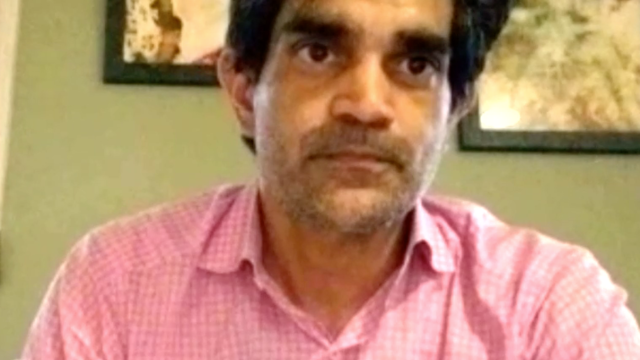
"It was unfathomable," Rahul Dubey said of the police violence used against peaceful protesters outside his home.
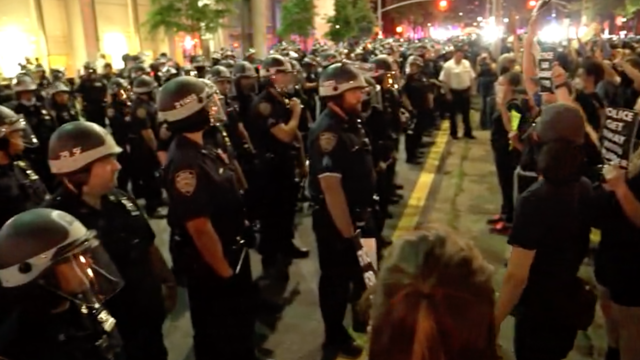
"You will see change in the NYPD," New York City Mayor Bill de Blasio said Friday.
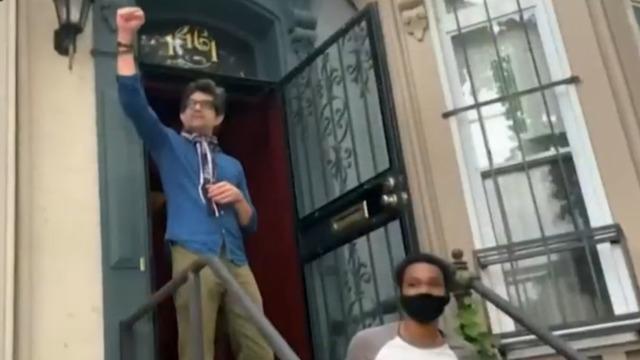
A Washington D.C. man became a local hero when he opened the doors of his home to shelter dozens protesters from arrest when police cracked down Monday night. Rahul Dubey joins CBSN to discuss why he felt he needed to take action.
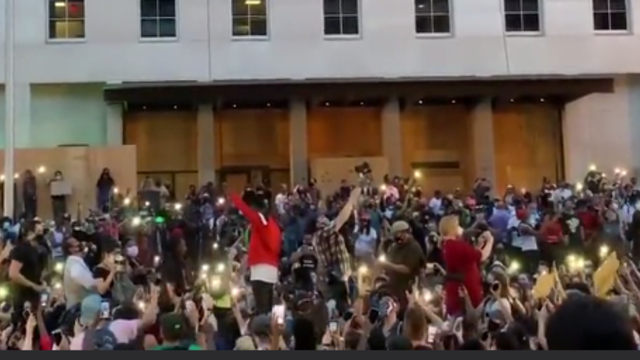
We found lots of remarkably unremarkable video of largely peaceful protests across the nation.

"Hopefully, George is looking down right now and saying this is a great thing that's happening for our country," President Trump said Friday.
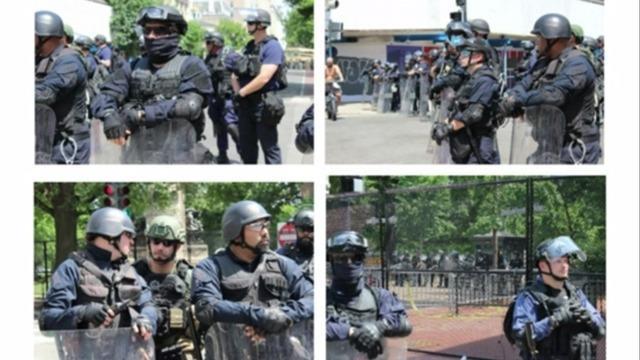
House and Senate Democrats sent a letter to Attorney General William Barr demanding answers after unidentified officers were pictured during peaceful protests in the nation's capital. Congressman Raja Krishnamoorthi, a Democrat from Illinois, joins CBSN to discuss why the letter was sent and why police identification is so important.
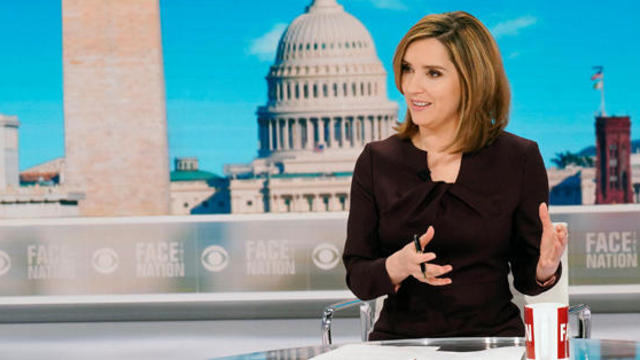
Attorney General Bill Barr, Former Secretary of State Condoleezza Rice and Former FDA Commissioner Scott Gottlieb appear on Sunday's "Face the Nation"
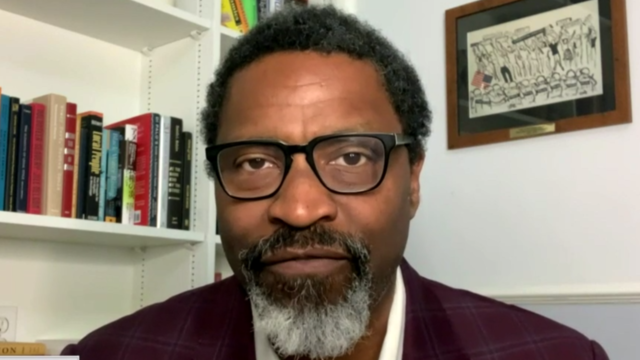
"We are done dying from all of the structural racial institutions that impose a heightened level of burden on African Americans," NAACP President Derrick Johnson said.
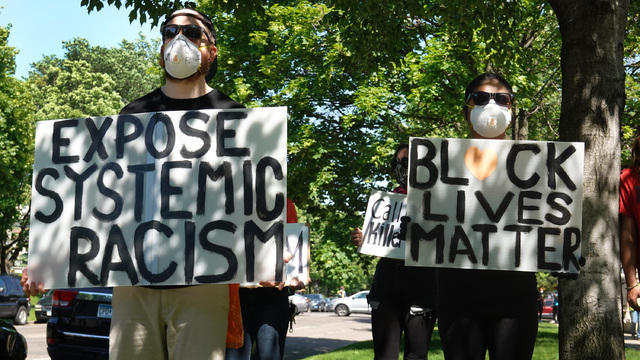
The police killing of George Floyd is the latest manifestation of the concept known as the Minnesota Paradox. The term was coined by Samuel Myers Jr., a University of Minnesota professor of Human Relations and Social Justice, and he spoke to CBSN about why racial disparities Minnesota run so deep.
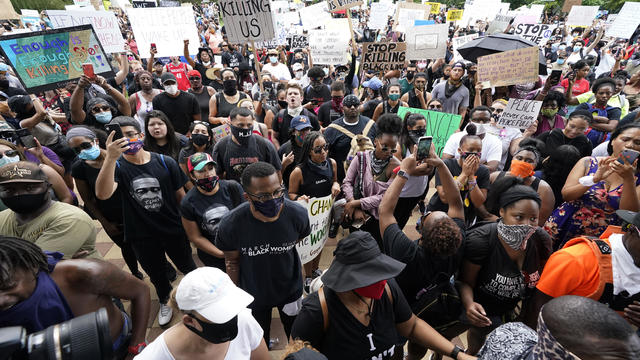
Congress is discussing around a dozen proposals to respond to police violence in the wake of the killing of George Floyd.
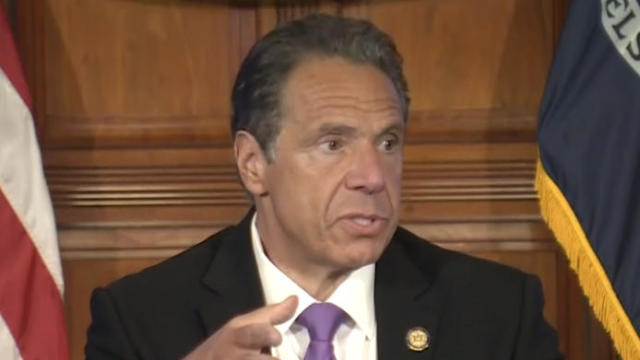
"Who are we? How did we get to this place?" he said of the video.
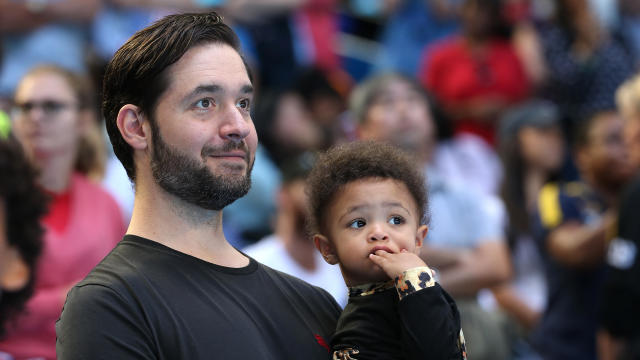
"I'm saying this as a father who needs to be able to answer his black daughter when she asks, 'What did you do?'," the Reddit co-founder said.