Shipwreck, apparent human remains found 7 years after boat sank in Atlantic
The nonprofit Green Oceans asked the Coast Guard to reopen an investigation that had classified the F/V Mistress as lost.
Watch CBS News
The nonprofit Green Oceans asked the Coast Guard to reopen an investigation that had classified the F/V Mistress as lost.
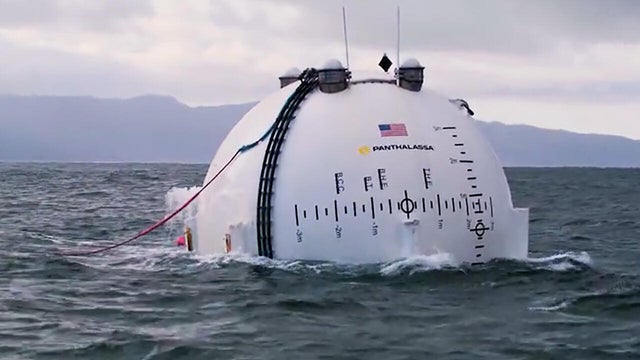
The renewable energy company Panthalassa says it has a solution to the proliferation of AI data centers, which consume massive amounts of energy and are the cause of increased carbon pollution: sea-based data centers, powered by wave energy.

Past-due balances are becoming a reality for many U.S. households as they struggle to keep up with costlier utility bills.

The U.S. and Australia will work together to counteract China's dominance over critical rare earth minerals. A new report from Foreign Affairs explores this growing trend in international politics. The article argues that energy and resources are being weaponized in ways the world hasn't seen in decades. One of the authors of the report, Jason Bordoff, joins "The Daily Report" to discuss.
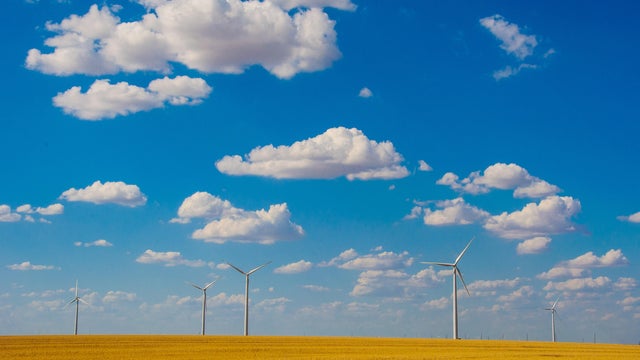
CBS News looked at the cost of producing coal, gas, nuclear, wind and solar energy to determine which is the cheapest.
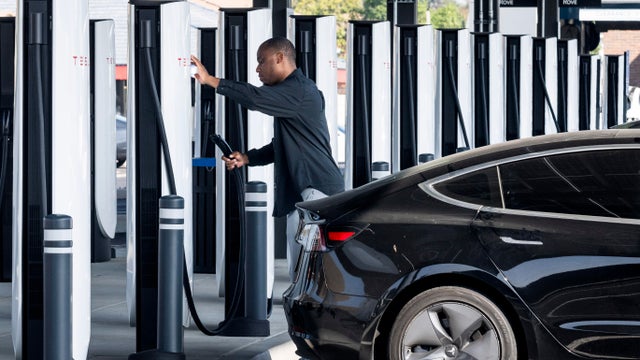
Under the One Big Beautiful Bill Act, clean energy tax credits are set to expire earlier than originally planned.
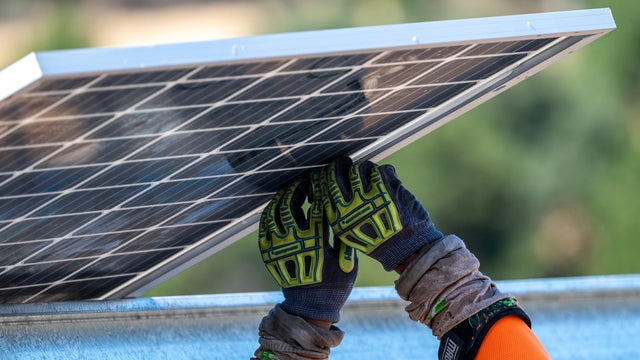
The Solar for All program provided funding to grant recipients that planned to create or expand solar programs for low-income communities.

As energy demand continues to rise, along with higher utility bills, the Trump administration has promised to address the problem by increasing fossil fuel power generation. But a new study is highlighting ways that the U.S. could increase energy production and reach its emissions goals faster by increasing the use of solar power. CBS News' Tracy Wholf has more.
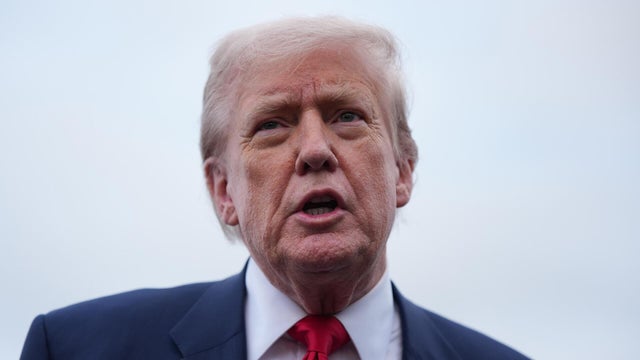
President Trump says his administration is pursuing a "future of all-out American energy dominance." But what does the president's new budget law mean for green energy? Environmentalist and clean energy expert Albert Gore III joins "The Takeout" with his perspective.

President Trump's "big, beautiful bill" cuts renewable energy tax credits and boosts fossil fuel drilling and mining on federal lands. Michael Grunwald, author of the new book "We Are Eating the Earth," joins "The Takeout" to unpack the climate fallout from the president's legislation.
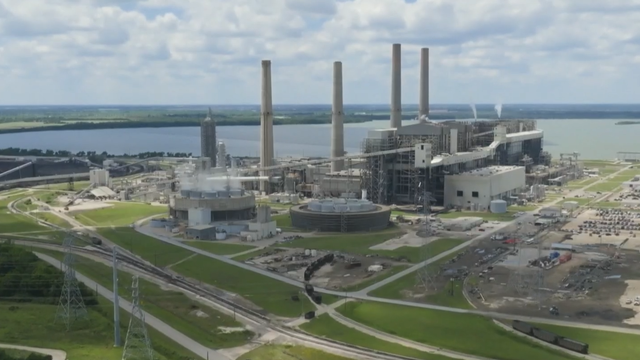
In April, the Trump administration gave 68 plants a two-year exemption from complying with federal regulations intended to lower mercury emissions, a powerful toxin that can affect the brain.

Experts share tips on how to reduce your electricity bill.

In North Carolina, we learn about the growing threat of severe flooding facing inland communities. And in Connecticut, we check in at the only hotel in the country that runs entirely on renewable electricity. Watch these stories and more on "Eye on America" with host Michelle Miller.

Lego opened a $1 billion factory in Vietnam it says will make toys without adding planet-warming gas to the atmosphere by relying entirely on clean energy.

The U.S. is grappling with a wide range of critical issues brought about by what it lacks, including workers, housing and clean energy infrastructure. A new book argues the U.S. can rectify its major problems by renewing a so-called "politics of abundance." One of its authors, The Atlantic's Derek Thompson, joins "America Decides" to explain.

Scientists are conducting experiments to generate clean energy through fusion, the same sub-atomic reaction that powers our Sun, with the aim of constructing plants that produce more energy than they consume.
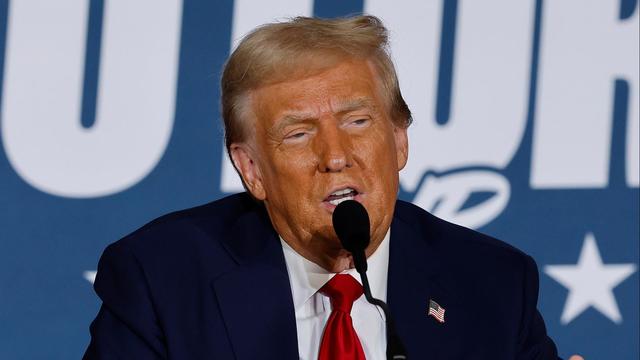
President-elect Donald Trump has signaled he wants to end the $7,500 tax credit for electric vehicle buyers. Albert Gore III, executive director of the Zero Emission Transportation Association, joins "America Decides" to discuss the future of EVs in the second Trump administration.
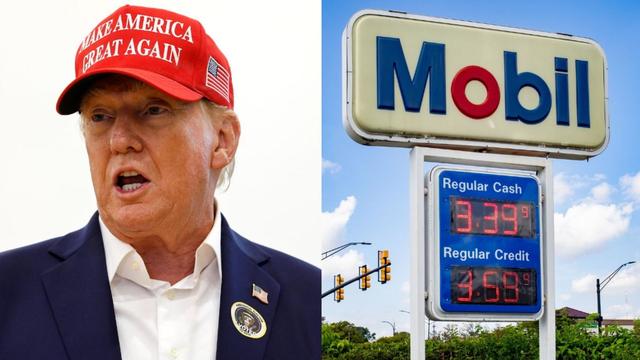
President-elect Donald Trump vowed to cut U.S. energy prices by 50% within one year of taking office. He is also expected to loosen regulations on oil and natural gas companies. Patrick De Haan, the head of petroleum analysis for GasBuddy.com, a website that tracks fuel prices, joins CBS News to discuss.
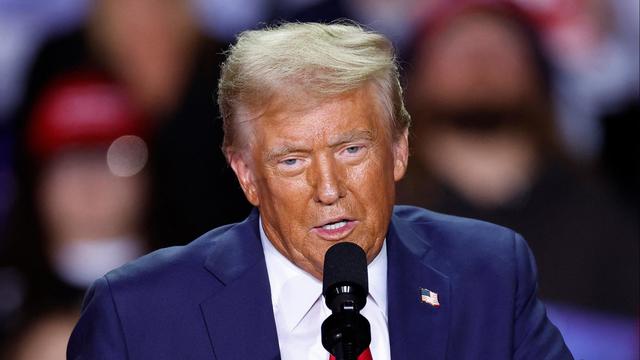
President-elect Donald Trump's victory clears the way for him to deliver on his campaign promises to dismantle many of President Biden's marquee climate policies. CBS News national environment correspondent David Schechter joins to examine what U.S. climate policy could look like under Trump.

Google announced a deal with energy startup Kairos Power to supply its data centers with electricity from seven small modular nuclear reactors, which still need to be built. A recent study found that by 2026, data centers will consume more than 1,000 terawatt hours of electricity, about the same as the entire nation of Japan. Hank Jenkins-Smith, University of Oklahoma professor of public policy, joins CBS News to explain.
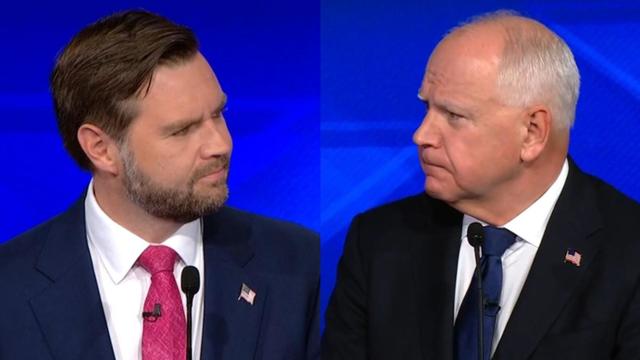
During Tuesday night's vice presidential debate, "CBS Evening News" anchor and managing editor Norah O'Donnell asked what responsibilities would the Trump and Harris administrations have to reduce the impact of climate change in the wake of Hurricane Helene's destruction across the Southeast. Watch how Ohio Sen. JD Vance and Minnesota Gov. Tim Walz responded to the question.
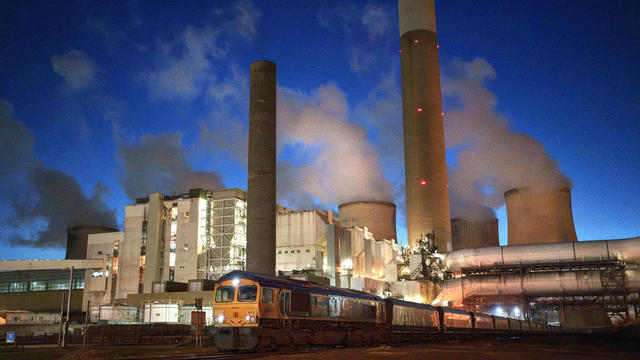
The last coal-fired power plant in the U.K. is closing, ending Britain's 140-year reliance on the fossil fuel for electricity.
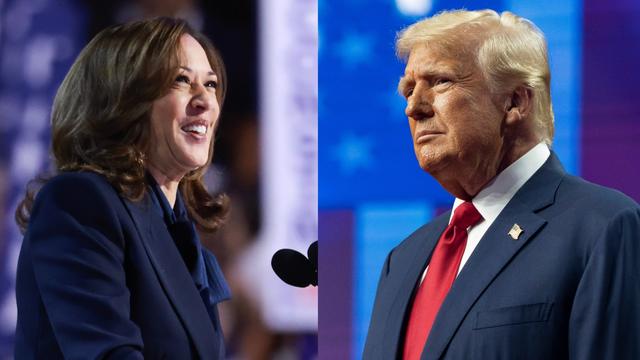
During the countdown to Election Day, CBS breaks down how Harris and Trump have addressed key climate issues.
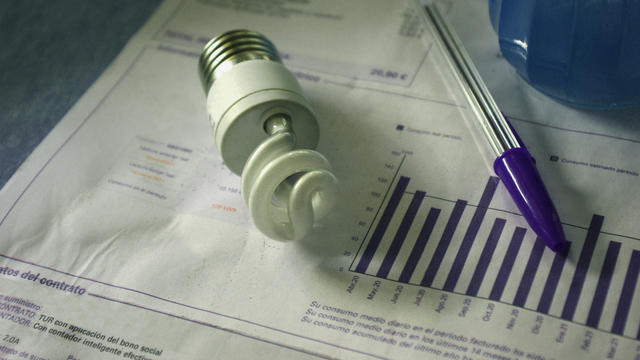
U.S. energy infrastructure has proven to be problematic as-is, and threats to its reliability are growing. Experts say there's a solution.
More Americans are having to choose between food and energy bills as the price of electricity rises. The cost is based on many factors, but one stands out from the rest — and is likely only going to make matters more complicated and expensive.