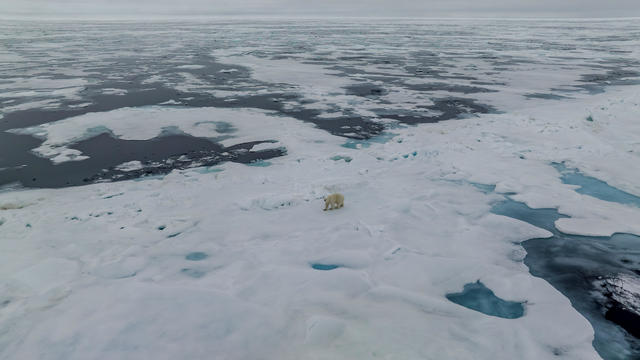
Could the Arctic be ice-free within a decade? What the latest science says
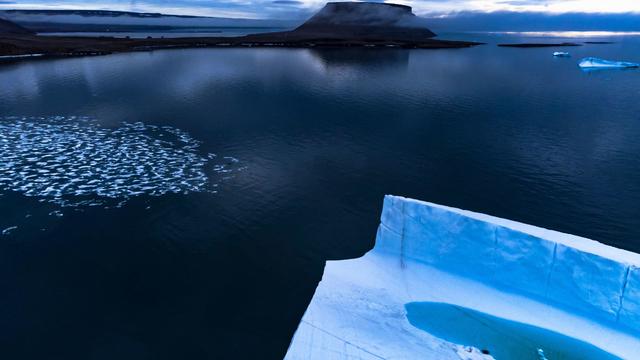
Researchers predict that the first ice-free day will take place sometime between the 2020s and 2030s.
Watch CBS News
Researchers predict that the first ice-free day will take place sometime between the 2020s and 2030s.
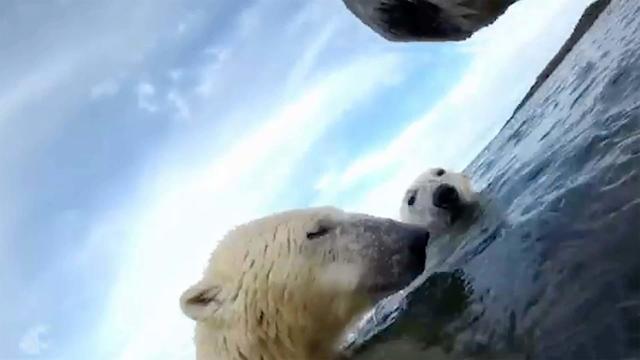
Equipped with a video camera collar, this polar bear in Manitoba, Canada, reveals what a day in its life looks like as the Arctic sea ice it heavily relies on continues to melt and impacts its feeding, swimming and other activities.
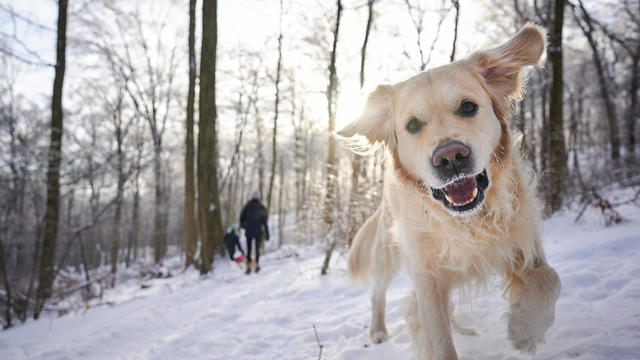
"If you're bundled up, and you find that it's too cold and you can't handle it any longer, your dog probably can't either," one veterinarian said.
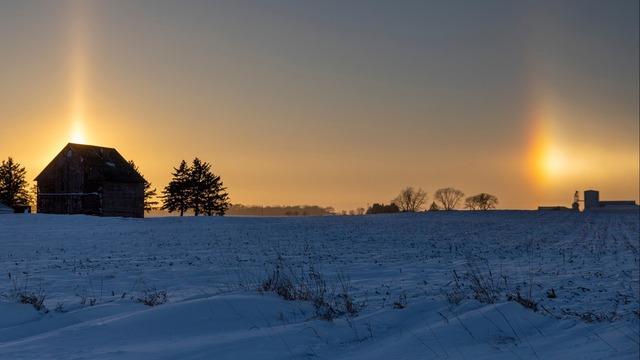
The freezing temperatures that impacted the Iowa caucuses are being blamed for at least 12 deaths from Oregon to Tennessee. Texas is one of the places feeling the effects of the arctic blast with extreme wind chills blanketing the state Tuesday. Dominic Brown with CBS News Texas has a look at the forecast.
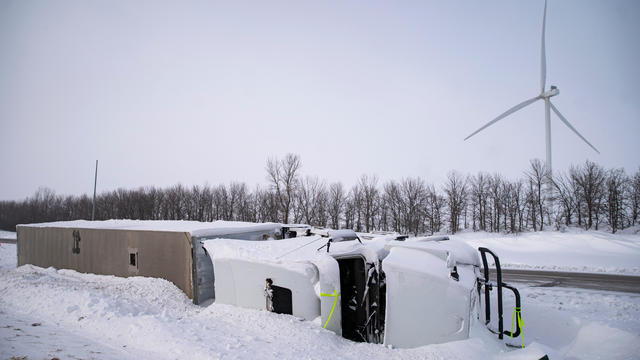
A continuing wave of Arctic storms threatened to break low-temperature records in the nation's heartland, spread cold and snow from coast to coast and cast a chill over everything ranging from football playoffs to presidential campaigns.
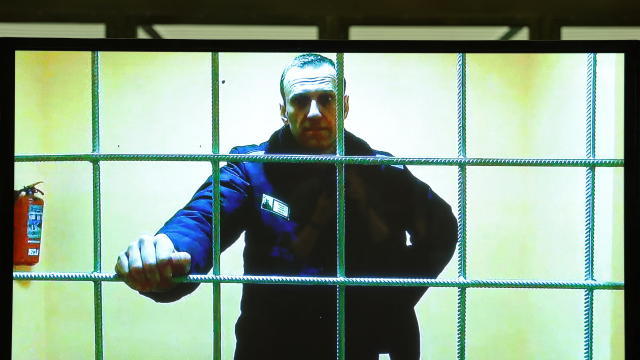
The Russian opposition leader says he's "relieved" that he's "finally made it." His whereabouts were unknown for more than two weeks before his spokesperson said he'd been located.
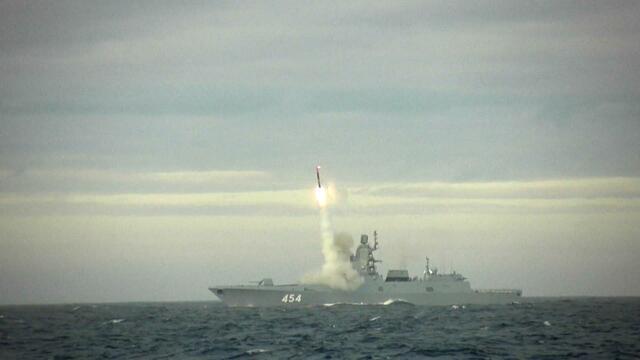
As CBS News correspondent Holly Williams reports, Russia's interest in the Arctic region can be tied to its military readiness to reach the U.S. in the event of war.
Norway's Svalbard Archipelago, deep inside the Arctic Circle, has become a focal point of the tension between Russia and America's NATO allies.
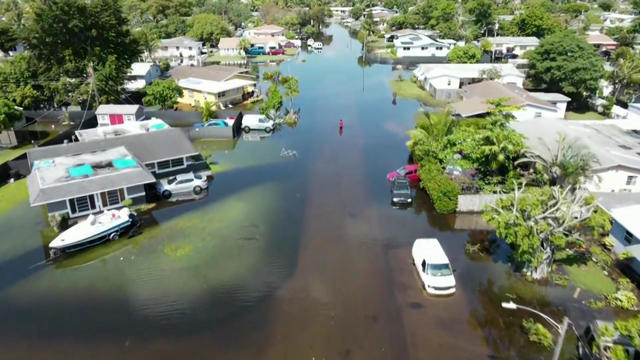
New data finds the impact of climate change on coastal flooding could increase five-fold by the end of the century, leading to major property and infrastructure losses.
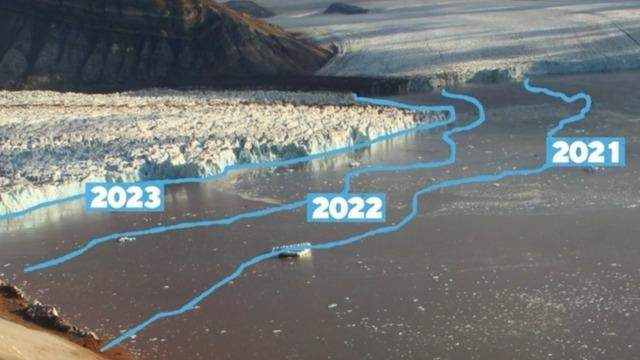
In Svalbard, Norway, scientists are learning how Arctic glaciers melting at an unprecedented rate will affect rising sea levels. CBS News national environmental correspondent David Schechter visited a cluster of islands close to the North Pole to learn more.
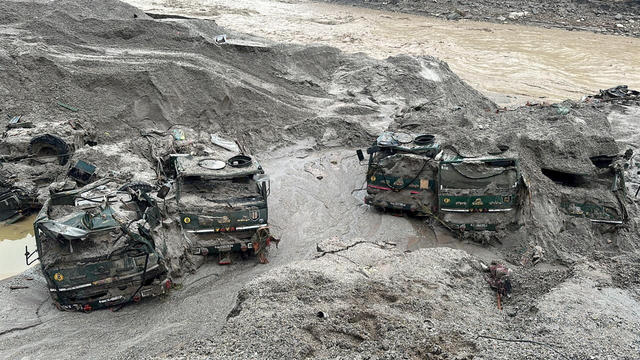
Scientists have warned for decades that India's Himalayan glacial lakes are disasters waiting to happen. Climate change means they aren't waiting any more.
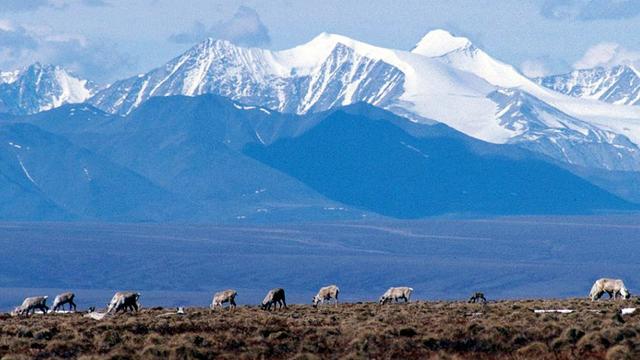
The move, which angered Republicans and even some Democrats, follows the administration's approval of the massive Willow oil project in Alaska's National Petroleum Reserve.
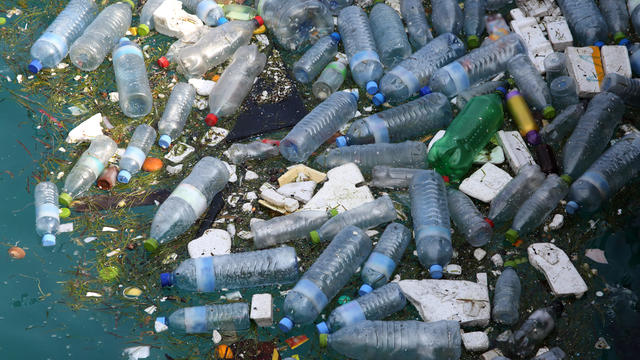
Bacteria and fungi in the Arctic and Alps could be the key to reducing plastic waste in a way that requires less energy and money, scientists say.
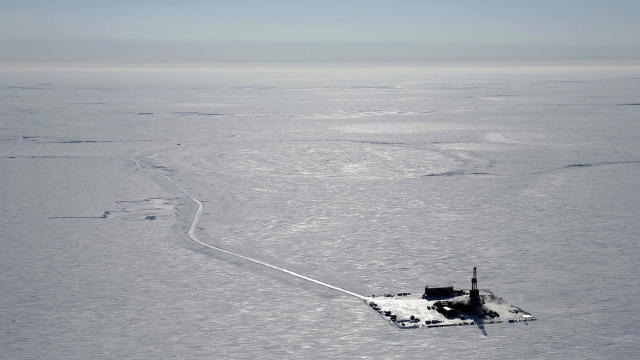
The administration is expected to unveil the new restrictions amid controversy over a proposed drilling project in Alaska.
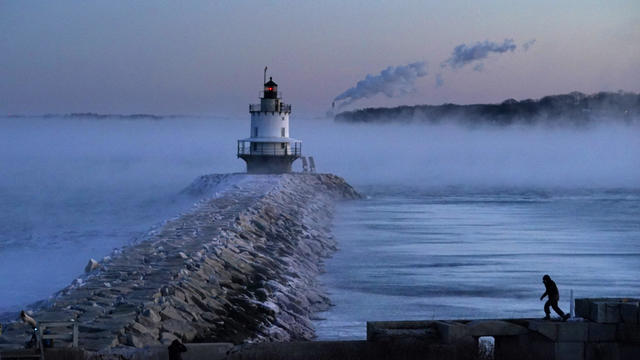
A record-setting wind chill of 108 degrees below zero was seen on the summit of Mount Washington in New Hampshire, the National Weather Service said.
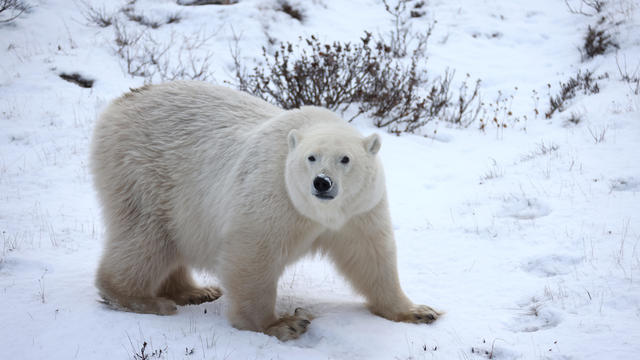
Since the 1980s, the number of bears in Canada's Western Hudson Bay region has fallen by nearly 50% as the Arctic sea ice essential to their survival disappears.
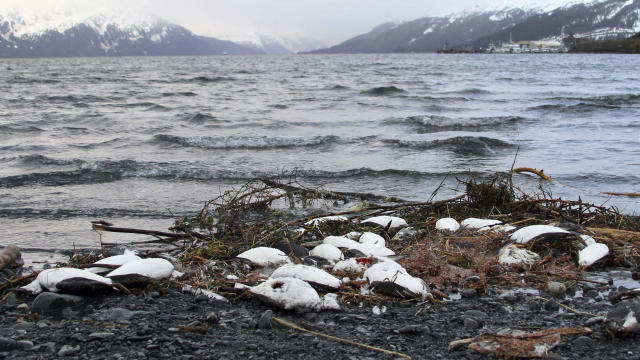
NOAA's annual "Arctic Report Card" documents changes in a region warming faster than anywhere else on Earth.

"What happens in the Arctic, doesn't stay in the Arctic. As the polar caps melt, it drives up risks throughout the world, including extreme weather events that affect all of us."
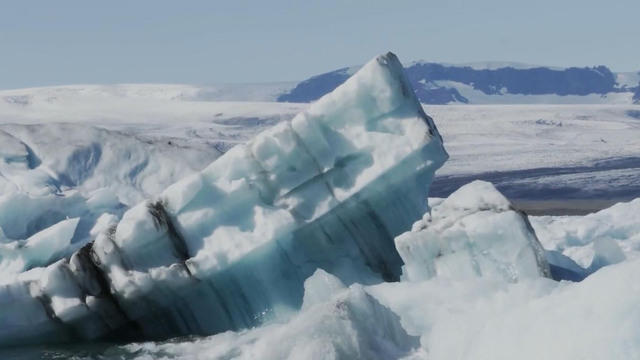
This year has been one for the books when it comes to climate extremes. In Greenland, where temperatures are rising four times faster than the global average, arctic ice is melting fast. Veteran journalist Mary Kay Magistad, now with the Asia Society, and producer David Gelber of The Years Project went there for a documentary, and Magistad joined CBS News to discuss.
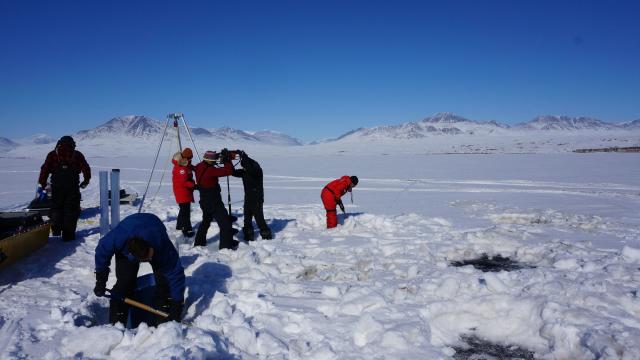
"It's really unpredictable," one research author said. "It can range from benign to an actual pandemic."
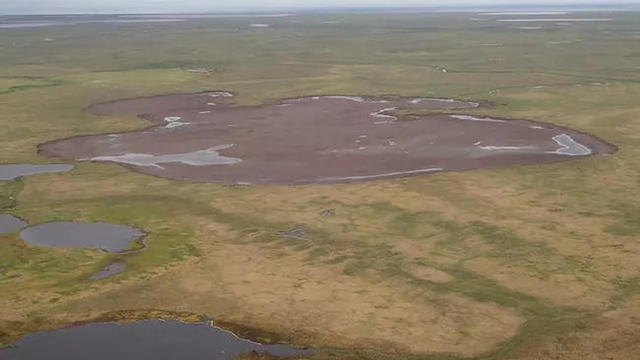
The new findings come as a surprise for scientists, who anticipated that Arctic lakes wouldn't start drying up at least for another 40 years.

The world has known for years that the Arctic is warming faster than the rest of the planet. But scientists recently discovered it's even worse than previously thought.
The new study shows that warming in the Arctic is much worse than scientists previously thought.