USDA cracking down on salmonella in chicken products
Agriculture agency proposes rules to force food processors to reduce salmonella bacteria found in chicken.
Watch CBS News
Agriculture agency proposes rules to force food processors to reduce salmonella bacteria found in chicken.
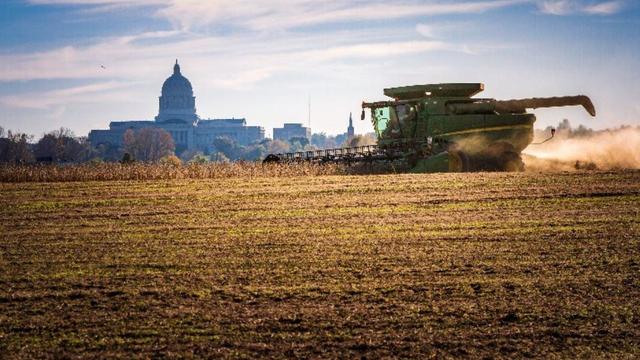
Gov. Mike Parson, a farmer himself, declared a drought alert in a bid to get state agencies to "lessen the impact," as families face "really tough decisions."

A small but influential court in Delaware could make it harder for the Tesla founder to wriggle out of $44 billion deal.

In Italy more people are heading to food banks, while Germans are turning down the AC to prep for energy rationing.

The social media platform's lawsuit against the mercurial billionaire will be resolved in a small but powerful Delaware court.

James Clayton Wolf falsely labeled chemically treated corn and soybeans as organic, prosecutors allege.
Suit is pending against other major pork producers including Hormel, Tyson Foods, Seaboard Foods and Triumph Foods.

Sale means brand will return to Israel and West Bank — with or without Vermont ice cream maker's support.

Manufacturers are again downsizing packaging in an effort to ease the hit from inflation. Are they going too far?

In downtown Jackson, Wyoming, a small plot of land, 30 by 150 feet, produces 100,000 pounds of produce a year, thanks to a farm that soars in the air. Correspondent Martha Teichner looks at the growing industry of locally-sourced vertical farms for urban communities.

In downtown Jackson, Wyo., a small plot of land, 30 by 150 feet, produces 100,000 pounds of locally-sourced produce a year, thanks to a farm that soars in the air.

Popular food and entertaining magazine on Bon Appétit brought in experts to help answer what we'll be eating 10 or 20 years from now for their May issue. Bon Appétit contributor Alex Beggs joined CBS News ahead of Earth Day with more on future food trends.

U.S. and U.N. officials say the war will "have global context impact beyond anything we've seen since World War II."

The Senate passed a bill to make Daylight Saving Time permanent, beginning in 2023. It still needs to be passed by the House and signed by President Biden.

The CDC said the avian flu viruses don't typically infect humans.

The American Rescue Plan, signed into law almost one year ago, allocated $4 billion in debt relief to Black and other "socially disadvantaged farmers." But those who applied for the program have yet to see any relief due to legal challenges from White farmers. New York Times economic policy reporter Alan Rappeport joins CBS News' Lilia Luciano to discuss.

The decision comes after the USDA said one of its employees was threatened, prompting a halt in imports of the fruit from Mexico.

The price of orange juice is rising as a disease threatens the orange crop in Florida. The state is expected to have its worst orange harvest in decades. Manuel Bojorquez has more.

By the end of the century, corn crop yields could are projected to decrease by 24% under a high greenhouse gas emissions scenario — a decline that could have "severe implications worldwide."

Some think it's pretty, but the spotted lanternfly is an invasive species known for sucking the life out of trees and other plants,
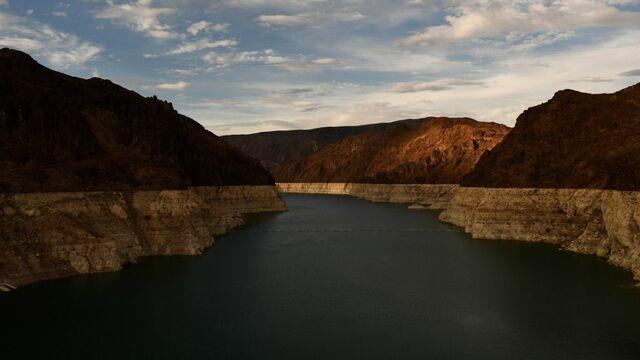
The U.S. Bureau of Reclamation will issue mandatory water cuts starting in 2022 after water levels at Lake Mead, the nation's largest reservoir, fell below a critical threshold of 1,075 feet. CBS News senior national and environmental correspondent Ben Tracy joins CBSN "Red and Blue" anchor Elaine Quijano to talk about those who will be most impacted.

Research shows farmers are having to spend increasingly more time in excessively hot temperatures as a result of climate change. Dr. Michelle Tigchelaar, a research scientist at the Stanford Center for Ocean Solutions, joins CBSN's Lana Zak to discuss her findings.

The snails, roughly the size of an adult fist, were discovered in plastic zip-closed bags inside an airline passenger's luggage. Fresh leaves and a quarter-pound of beef were also found.

In the future, what will our food look and taste like, and how will it be farmed? CBS News 60 Minutes+ correspondent Seth Doane joins Anne-Marie Green on "CBSN AM" to preview his story about one country devoted to figuring out how to feed the world's growing population, without destroying the planet in the process.

The historic drought across the Western U.S. is forcing farmers and ranchers to downsize. Growers are being asked not to water their crops, or to plant crops that use less water. Meanwhile, ranchers are selling off herds because they can't afford to feed them. The vice president of PRICE Futures Group, Jack Scoville, spoke with CBSN's Lana Zak about what this means for our nation's food supply chain.