Judge halts Trump effort requiring colleges show they don't consider race
The ruling follows a lawsuit filed earlier this month by a coalition of 17 Democratic state attorneys general.
Watch CBS News
The ruling follows a lawsuit filed earlier this month by a coalition of 17 Democratic state attorneys general.
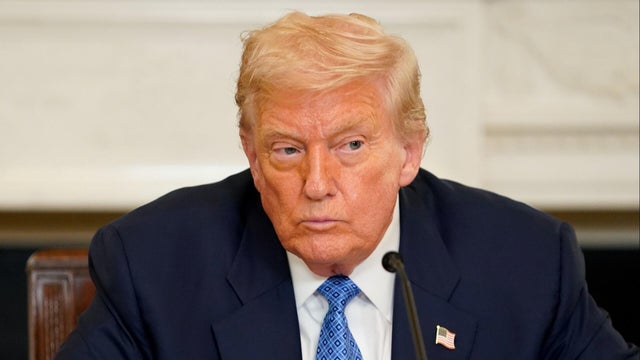
In 2023, the Supreme Court ruled colleges and universities could consider race and life experiences in the admissions process, but that race could not be a determining factor. President Trump has gone a step further, now requiring new data on admissions seemingly aimed at filtering out race as part of the considerations at all. Amalea Smirniotopoulos, senior policy counsel and co-manager of the Legal Defense Fund's Equal Protection Initiative, joins "The Takeout" to discuss.
It has been two years since the Supreme Court ruled on a case that ended affirmative action for college admissions. A CBS News analysis found that the first class of freshmen since the ruling is slightly less diverse than the previous class. Grace Manthey, CBS News' senior visual data journalist and data team coordinator, breaks it down.
In 2023, the Supreme Court ruled against race-conscious college admissions. Now, data on the first class of students to enter since then gives a peek into what the future of college enrollment holds.
It's been nearly two years since the Supreme Court ruled 6-3 against the use of race in college admissions, ending affirmative action in higher education. Rose Horowitch, writer for The Atlantic, joins to discuss how the impact so far has been mixed.
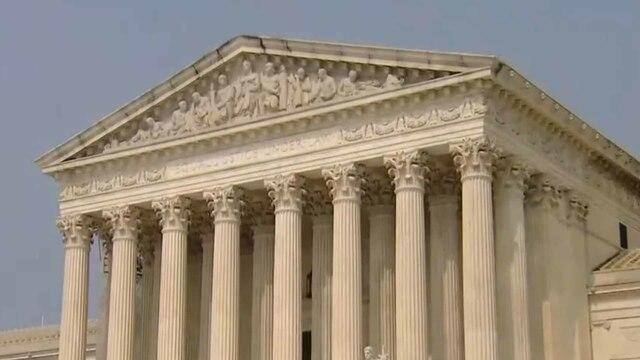
Supreme Court rejects college affirmative action; Jonathan Majors accuser may face arrest.
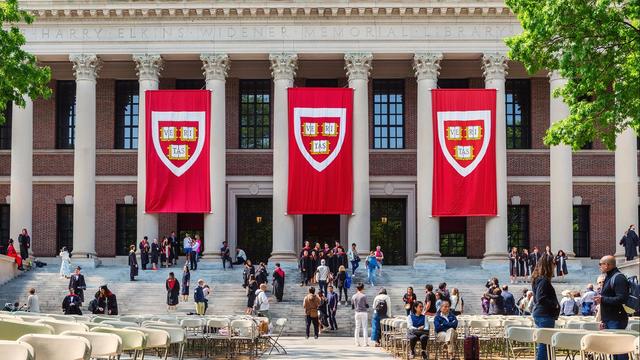
It's been more than a year since the Supreme Court ended affirmative action, and the enrollment of Black students is down at elite colleges. Scott White, former director of guidance at Montclair High School in New Jersey, and a freelance writer for Forbes on college admissions, joins CBS News to unpack the trend.
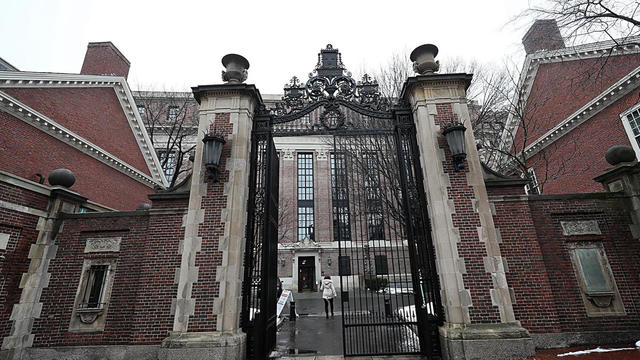
Harvard University reported that students identifying as Black made up 14% of this year's freshman class, compared with 18% in 2023. Some other top schools also reported falls in Black student enrollment. The Supreme Court ruled that race-conscious university admissions policies were unconstitutional in 2023. Anemona Hartocollis, a national reporter for The New York Times, joins CBS News to discuss the change.
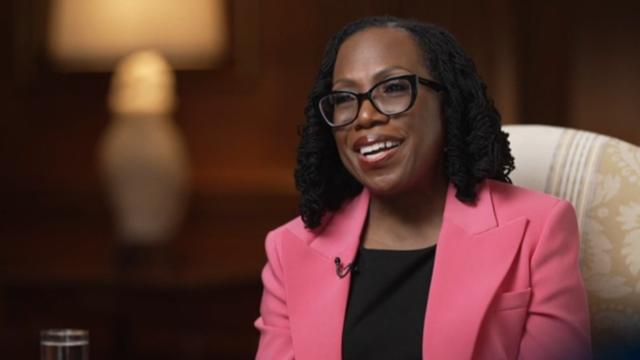
Justice Ketanji Brown Jackson recently sat down with CBS News for her first broadcast interview since joining the Supreme Court in 2022. "CBS Evening News" anchor and managing editor Norah O'Donnell discussed several topics with her, including affirmative action, which the nation's highest court struck down back in June of last year.
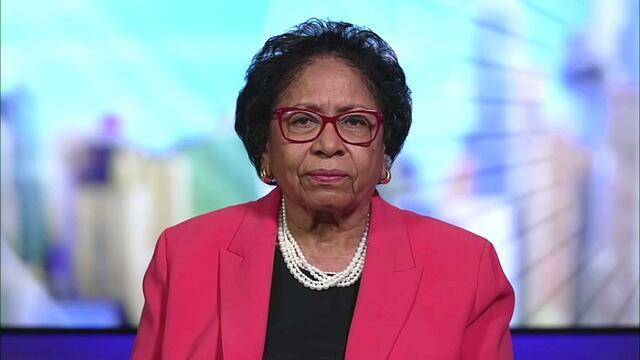
The Supreme Court overturned decades of precedence in ruling that colleges and universities can no longer consider race as a factor in admissions decisions. Ruth Simmons was the first black president of an Ivy League university, and is now a President's Distinguished Fellow at Rice University and a Special Adviser to the President of Harvard University. She joins CBS Mornings to discuss the impact this decision will have and how schools can continue to work towards diverse student bodies without affirmative action.
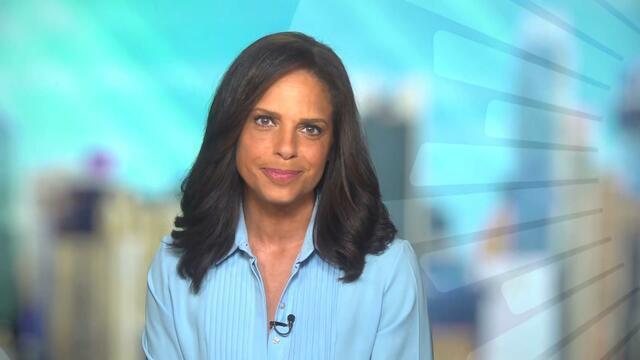
Soledad O'Brien joins "CBS Mornings" to discuss her new CBS Reports documentary, "The End of Affirmative Action," and the impact the Supreme Court ruling is having on colleges and families.
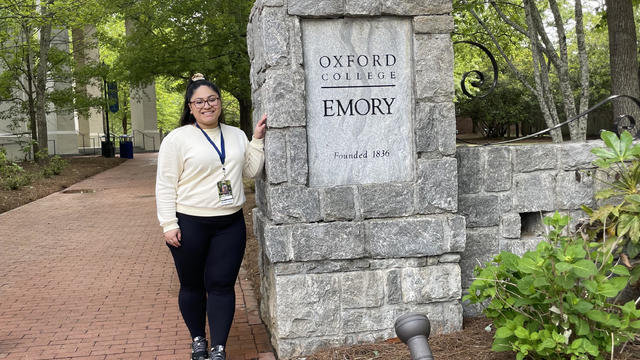
One sister attends Emory on a full scholarship. The others wonder how the Supreme Court decision on college admissions will shape their futures.
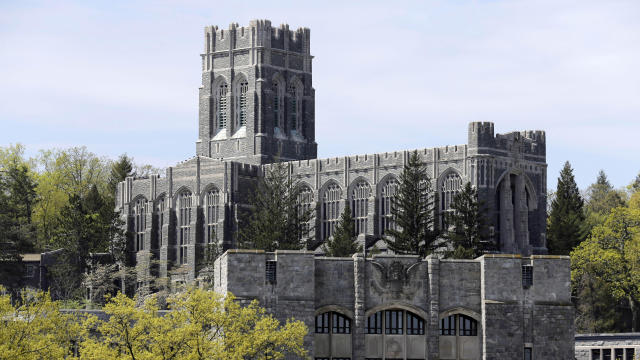
Students for Fair Admissions, the group behind the cases that led the Supreme Court to strike down affirmative action in higher education, filed a lawsuit against West Point.
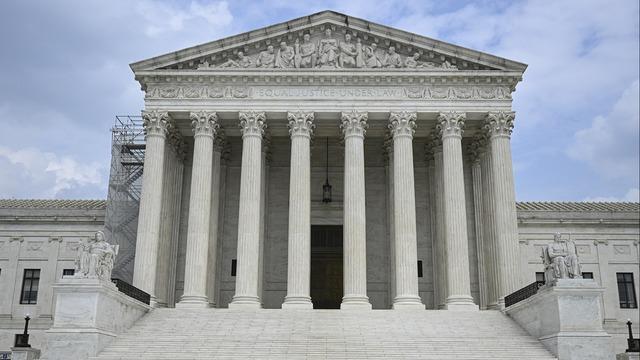
A group of parents accusing a top Virginia high school of racially discriminating against Asian American students is asking the Supreme Court to weigh in. Sheryll Cashin, law professor at Georgetown, joined CBS News to discuss the issues.
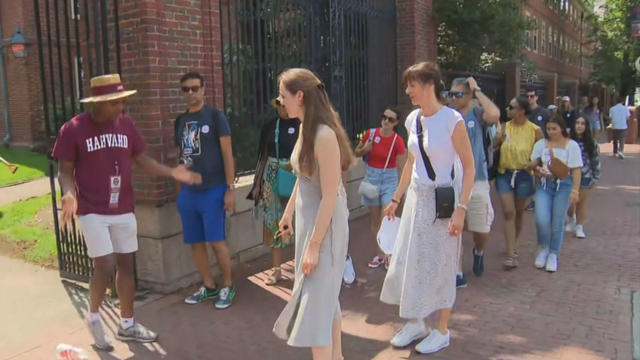
The new legal guidance follows the Supreme Court's affirmative action decision striking down the use of race in admissions.

Corporate diversity, equity and inclusion programs have come under fire from conservative groups with legal threats against companies promoting those initiatives on the rise following the Supreme Court ruling that gutted affirmative action at U.S. universities. Wall Street Journal reporter Lauren Weber joined CBS News to discuss the arguments being made for and against these programs and how hard companies are fighting to keep them.
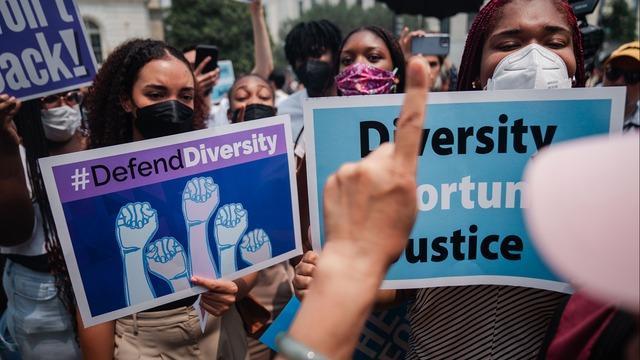
Many colleges and universities are reconsidering their legacy policies after the Supreme Court gutted race-based affirmative action admissions with a recent ruling. Virginia Tech University has already announced it's ending legacy admissions. Sarah Enelow-Snyder, a freelance writer who has written about benefiting from having a family legacy, joined CBS News to discuss why she wants legacy admissions to end.
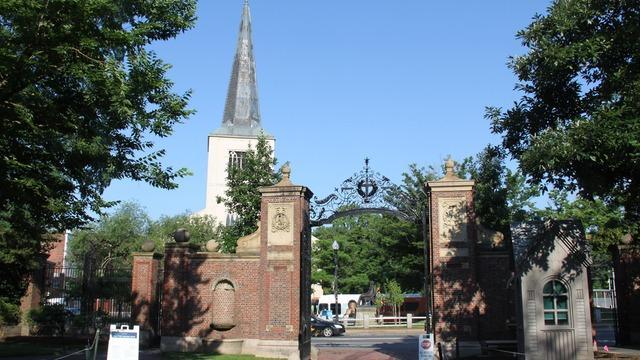
An analysis from Harvard economist group Opportunity Insights found the country's elite schools are twice as likely to accept students from families of the top 1% than students from other income groups with similar test scores. For more on the findings, CBS News was joined by John Friedman, an economics professor at Brown University and one of the authors of this analysis.
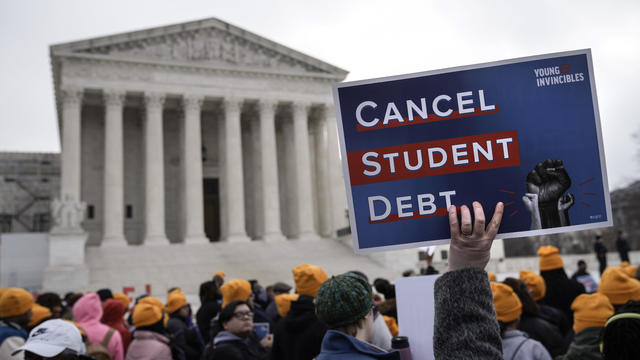
Young voter groups hope to replicate the boost in midterm election turnout after the Supreme Court struck down the federal right to an abortion in 2022.
Top colleges' preferential treatment of children of alumni has been facing new scrutiny since the Supreme Court last month struck down the use of affirmative action as a tool to diversify college campuses.
Students from middle-income families are the least likely to gain admission to elite universities in the U.S., Harvard researchers say.
Some constitutional scholars say the Supreme Court's exemption for military academies undercuts the argument for rejecting race-conscious admissions.
There are new concerns about diversity programs in the workplace and hiring after the Supreme Court upended affirmative action in college admissions last week. While the justices' ruling does not legally interfere with diversity in the workplace, experts say the move creates an opening for conservative groups to challenge business policies based on hiring and promoting minority employees. Noam Scheiber, labor and workplace reporter for the New York Times, joins CBS News to discuss what the law says.
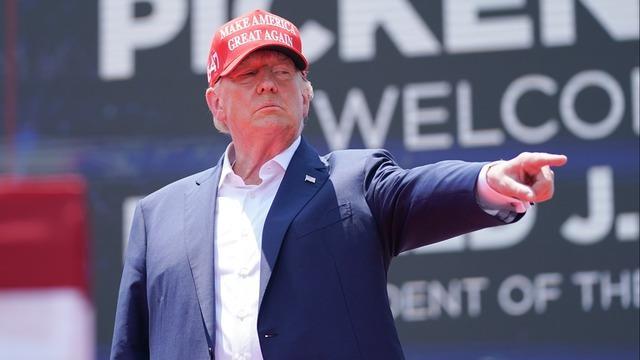
Former President Donald Trump and other Republican presidential candidates over the weekend praised the recent rulings by the Supreme Court. The court's six conservative-leaning justices ruled against affirmative action and President Biden's student loan forgiveness plan last week, among other decisions. CBS News' Skyler Henry and senior White House and political correspondent Ed O'Keefe have more on the responses from both sides of the aisle.
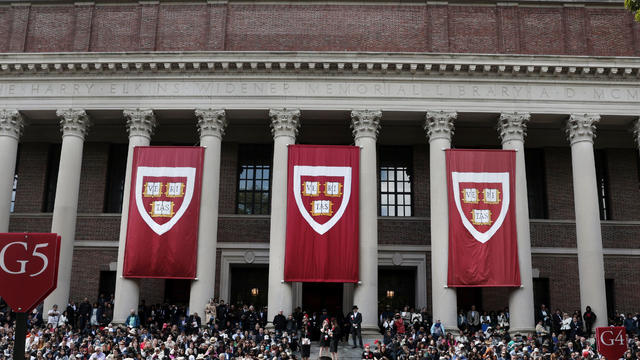
A civil rights legal group is challenging legacy admissions at Harvard University, calling it racial discrimination.