Sunday 9AM ET on CBS
11AM ET on the CBS News app
Sunday 9AM ET on CBS
11AM ET on the CBS News app
Watch CBS News
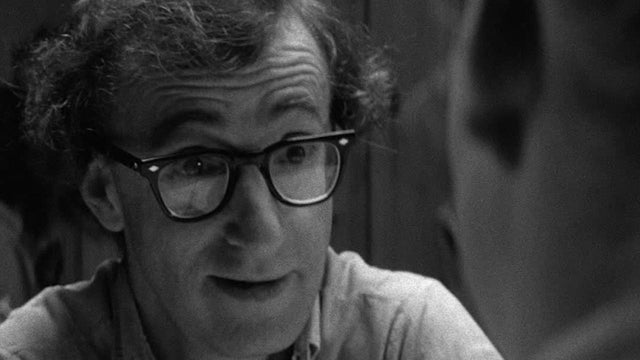
As more and more creatives are revealed to have said or done terrible or morally questionable things, we may be forced to reconsider their work in light of their behavior. But does their art deserve to be cancelled?
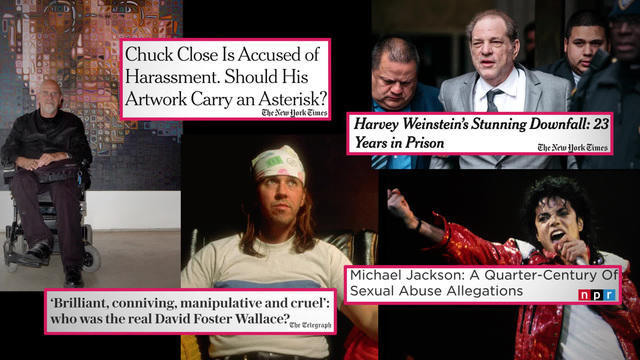
As more and more artists, comedians, writers, musicians and filmmakers are revealed to have said or done terrible or morally questionable things, we may be forced to reconsider their creative work in light of their behavior. But does their art deserve to be canceled? Correspondent Erin Moriarty talks with academics and critics to debate the punishment that comes from calling out artists.
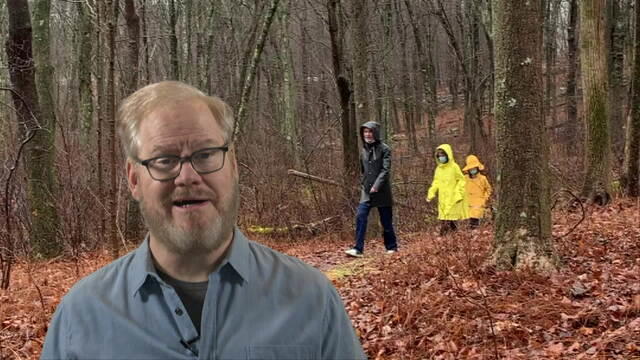
The comedian (who would not be mistaken for an outdoorsman) doesn't understand why hiking is considered exercise.
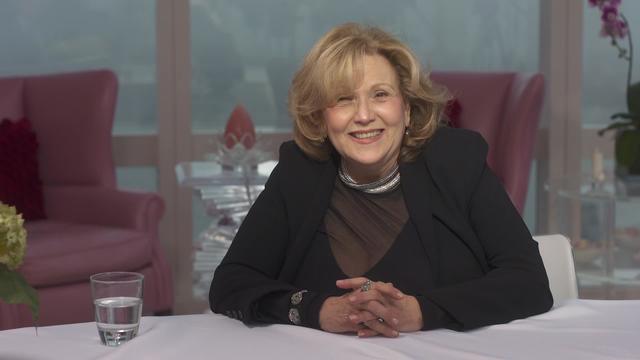
The Oscar-nominated actress, known for her roles in such films as "Midnight Cowboy" and "Jacqueline Susann's Once Is Not Enough," and for her stage and TV appearances, says she feels like a teenager.
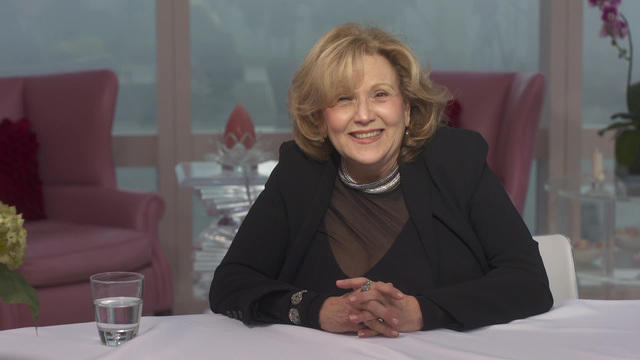
Tony- and Oscar-nominated actress Brenda Vaccaro is known for her roles in such films as "Midnight Cowboy" and "Jacqueline Susann's Once Is Not Enough," and for her many performances on TV and Broadway. But after this interview with correspondent Mo Rocca, she may be known for a lot more.
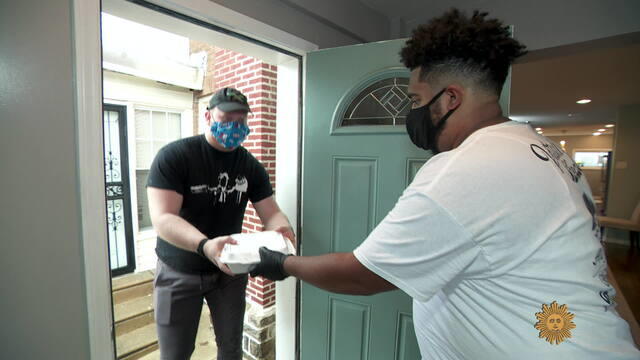
When Dustin Vitale’s mother, Gloria, was diagnosed with terminal cancer last year, he decided he would try to take her on the trip she always dreamed of, to see the pyramids in Egypt, and bring along all 14 family members. To fund his act of love, this Philadelphia middle-school teacher began selling cheesesteaks, even though he doesn't own a restaurant. Steve Hartman reports.
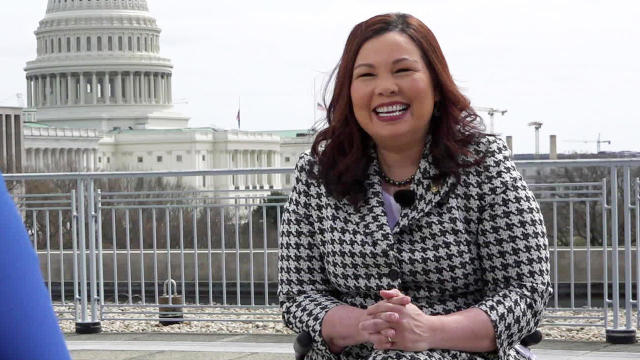
The former U.S. Army National Guard helicopter pilot talks about her memoir, "Every Day Is a Gift," which explores her life's missions — from a tour in Iraq where she was wounded, to becoming a U.S. senator and mother — and never losing the passion of a patriot.
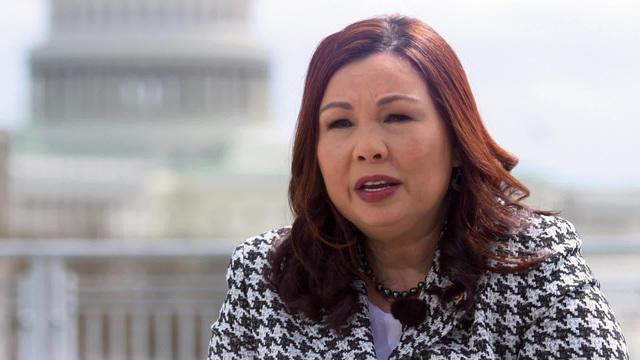
The daughter of an American service member and a Thai mother, Tammy Duckworth discovered her love of flying as a U.S. Army National Guard helicopter pilot. Duckworth talked with CBS News chief White House correspondent Nancy Cordes about her new memoir, "Every Day Is a Gift,” which tells of her life's missions – from being wounded in Iraq to becoming a U.S. Senator and mother – and never losing the passion of a patriot.
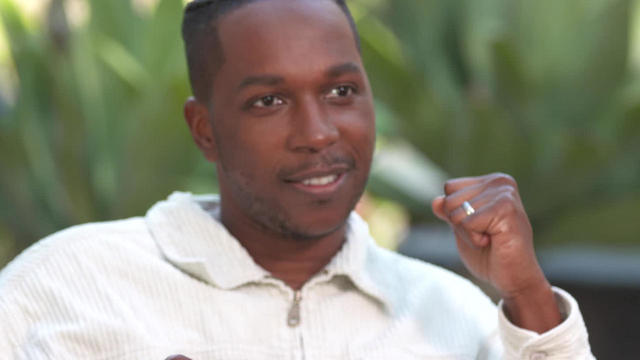
The Tony-winner for the musical "Hamilton" has now earned two Academy Award nominations for the drama "One Night in Miami," in which he plays famed singer Sam Cooke.
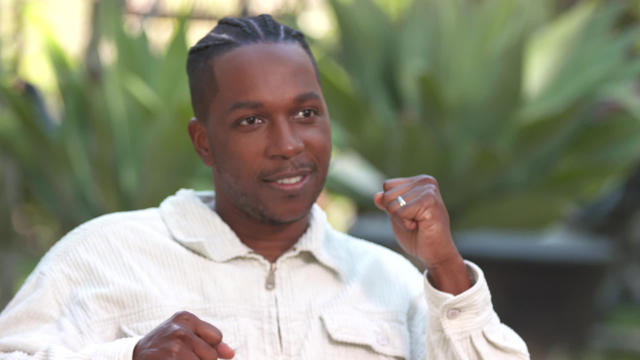
A Tony Award-winner for the musical "Hamilton," Leslie Odom Jr. has now earned two Academy Award nominations for the drama "One Night in Miami," in which he plays famed singer Sam Cooke. Correspondent Tracy Smith talks with Odom about his remarkable career, from his teenage debut in Broadway's "Rent," to the possibilities that have opened up since his role as Aaron Burr in the groundbreaking "Hamilton."

For centuries chicken soup has been prescribed by grandmothers and doctors alike for all manner of ailments, but many believe there really is evidence to support the prescription.

For centuries chicken soup has been prescribed by grandmothers and doctors alike for all manner of ailments, but many believe there really is evidence to support the prescription. Correspondent Nancy Giles talks with food historian and cookbook author Joan Nathan, and with New York's 2nd Ave. Deli owner Jack Lebewohl and executive chef David Teyf about the universal love for chicken soup.
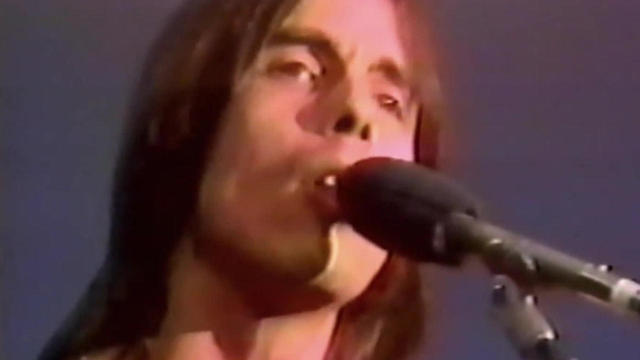
At a critical time the worlds of movies, television and music were transformed by a creative explosion centered in Los Angeles, as explored in the new book, "Rock Me on the Water."
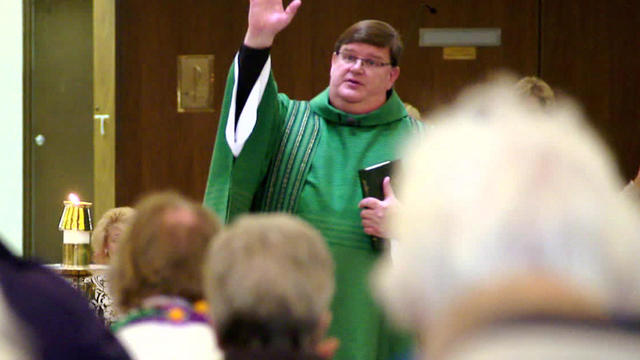
It's believed a significant percentage of Catholic priests live closeted lives, despite the Church's teachings that acting on homosexual desires is a sin. Yet, a Wisconsin priest was welcomed by his congregation after coming out.
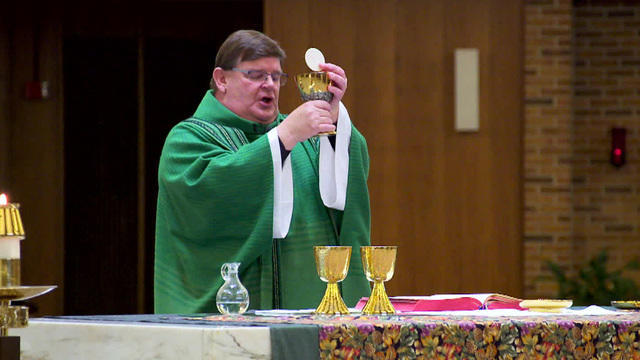
It's believed that a significant percentage of Catholic priests are living closeted lives, despite the Church's teachings that acting on homosexual desires is a sin. Correspondent Seth Doane examines the Vatican's wish that gay priests keep silent about their sexual identity, and talks with a Wisconsin priest – one of just 10 openly gay priests in the U.S. – who was welcomed by his congregation after coming out.