Sunday 9AM ET on CBS
11AM ET on the CBS News app
Sunday 9AM ET on CBS
11AM ET on the CBS News app
Watch CBS News

Polish-born Thaddeus Kosciuszko (1746-1817) was a military engineer who became key to Gen. George Washington's success against the British. Mo Rocca looks at the immigrant hero whose contributions to the Revolutionary War helped secure independence for America.

Twenty years after her single "Put Your Records On" made her an international star, the two-time Grammy-winner is embarking on a tour celebrating the 20th anniversary of her breakout debut album.
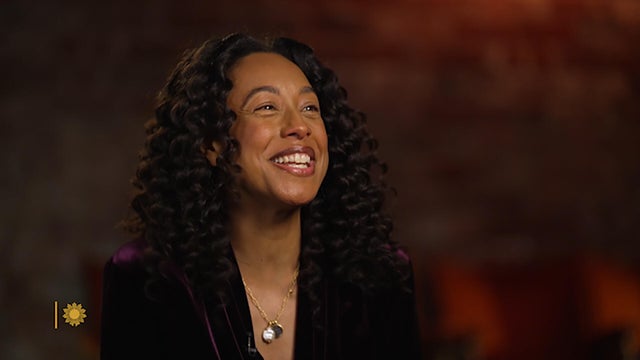
In this web exclusive, British singer-songwriter Corinne Bailey Rae talks with Seth Doane about growing up in Leeds and feeling on the margins; the influence of Billie Holiday and Kurt Cobain on her music; the breakout success of "Put Your Records On"; the devastating loss of her first husband; finding love again; and what aging has taught her.

Twenty years after her single "Put Your Records On" made her an international star, two-time Grammy-winner Corinne Bailey Rae is embarking on a tour celebrating the 20th anniversary of her breakout debut album. The British singer-songwriter talks with correspondent Seth Doane about the inspiration of Billie Holiday and Kurt Cobain; grieving the death of her first husband; and of rebirth – a life after loss.

At 56, Derrick Adams is widely regarded as one of the most important artists of his generation, known for capturing the Black experience in vibrant, kaleidoscopic colors.

At 56, Derrick Adams is widely regarded as one of the most important artists of his generation, known for capturing the Black experience in vibrant, kaleidoscopic colors. Correspondent Nancy Giles talks with the artist about leaving his mark with his depictions of joyous scenes of everyday life. She also visits the Institute of Contemporary Art in Boston, home to a mid-career retrospective of Adams' art.

Since May, more than 11,000 cases of illness caused by the parasite cyclospora have been reported in 41 states. This comes after the Trump administration drastically cut FDA and CDC staff, prompting one expert to call this summer's outbreaks "a national wake-up call."
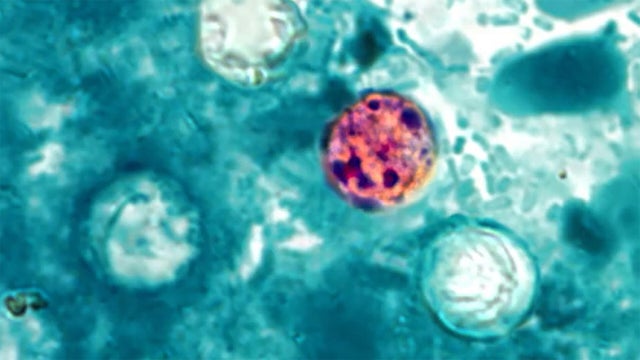
Since May, more than 11,000 cases of cyclosporiasis, caused by a parasite, have been reported in 41 states. The outbreak comes after the Trump administration drastically cut FDA and CDC staff; disbanded a national advisory committee on how to prevent microbial contamination in food; winnowed down an early-warning surveillance program for specific pathogens; and further delayed a rule that would have required tracing contaminants from field to store. Correspondent David Pogue talks with experts who see the current compromises of food safety as "a national wake-up call."

"Sunday Morning" looks back at historical events on this date.
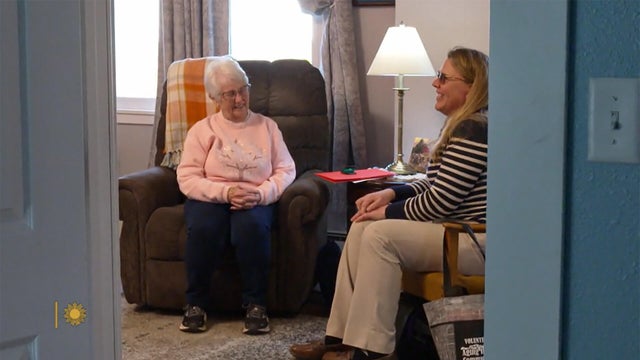
According to the USDA, the number of counties where at least 20% of residents are over the age of 65 has nearly tripled since 2010 – and it's in those older, more rural populations where the health risks associated with loneliness and social isolation are more common. Correspondent Lee Cowan goes to North Dakota, where the program Aging in Community, aimed at building connections among neighbors, takes a grassroots approach to helping rural seniors.
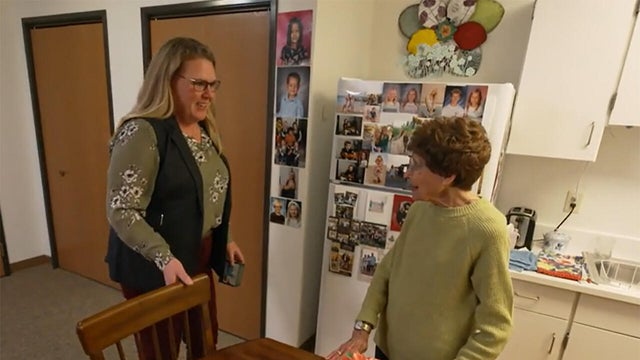
Health risks associated with loneliness and social isolation are more common among the aging population of rural America. In North Dakota, the program Aging in Community aims to build connections among neighbors to help isolated rural seniors.

A look at the features for this week's broadcast of the Emmy-winning program, hosted by Jane Pauley.
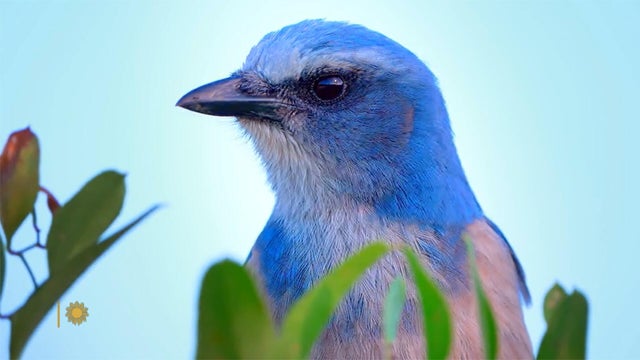
We leave you this Sunday with scrub-jays in the city of Rockledge, Florida. Videographer: Doug Jensen.

Rolling Stone writer Barry Walters, author of the music history "Mighty Real," says the latest ballad by British singer Sam Smith is a step forward from LGBTQ love songs being marginalized.

Rolling Stone writer Barry Walters, author of the music history "Mighty Real," says the latest ballad by British singer Sam Smith is a step forward from LGBTQ love songs being marginalized.