U.S. concludes another night of Iran strikes amid battle over Strait of Hormuz
Iran said it would attack "all infrastructure in the region" if President Trump follows through on his threats to attack Iranian civilian infrastructure.
Watch CBS News
Iran said it would attack "all infrastructure in the region" if President Trump follows through on his threats to attack Iranian civilian infrastructure.
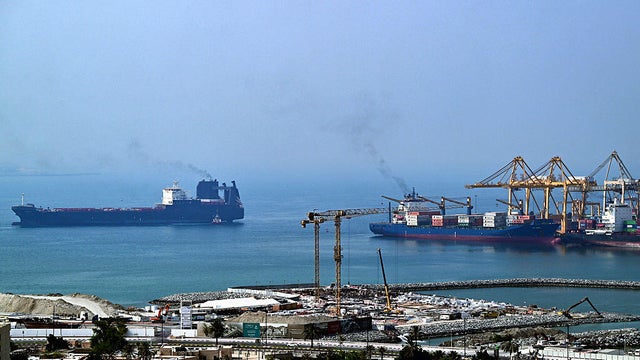
As the U.S. restarts its Iran blockade and carries out more strikes, President Trump has called off a planned 20% fee on shipping through the Strait of Hormuz.
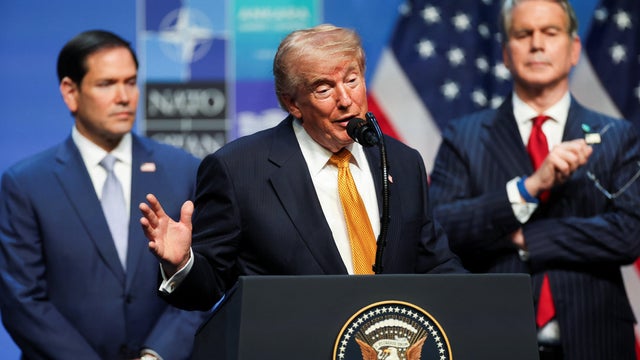
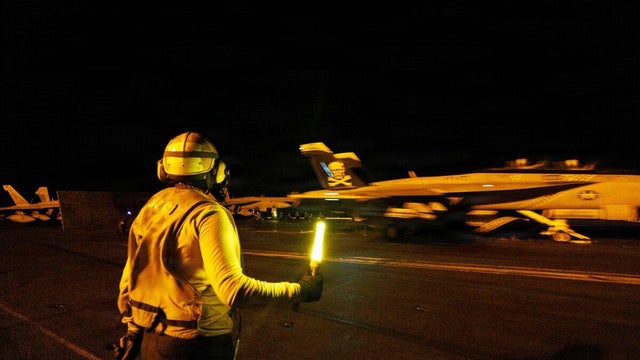
The U.S. began a second night of strikes Wednesday and Iran responded in kind after President Trump declared earlier in the day that the ceasefire was "over."
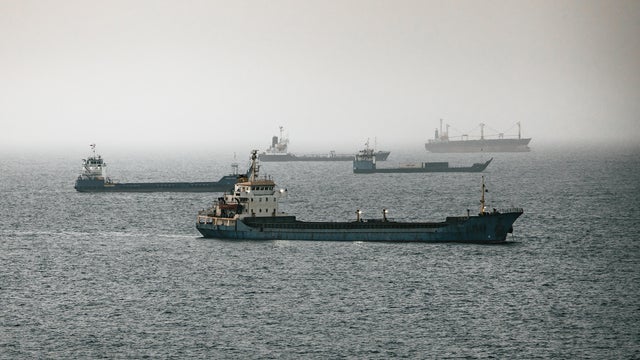
With peace talks on hold, the U.S. said it launched a "series of powerful strikes" on Iran in response to Iranian attacks on three commercial vessels in the Strait of Hormuz.
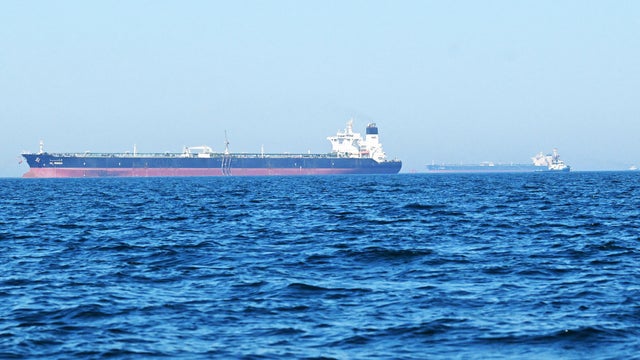
Iran launched drone and missile attacks targeting Kuwait and Bahrain on Sunday after the U.S. and Iran traded attacks earlier over the weekend.
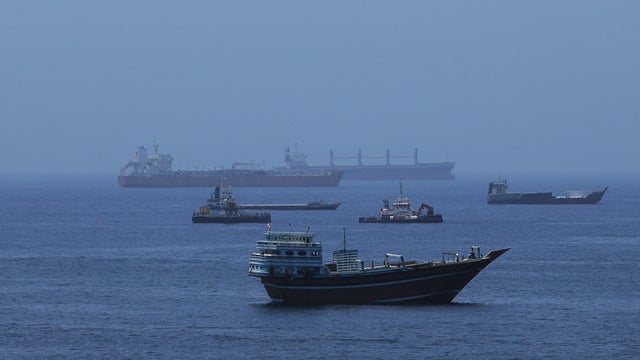
The Islamic Revolutionary Guard Corps struck a cargo ship near Oman on Thursday, further complicating the Iran-U.S. negotiations.
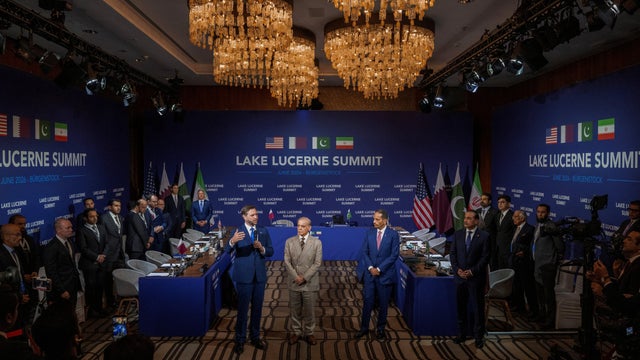
Their appearance was a rare face-to-face meeting between U.S. and Iranian officials as they launched a 60-day sprint to negotiate over the fate of Iran's nuclear program.
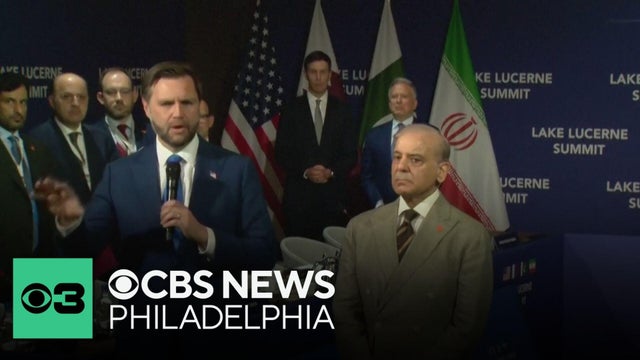
JD Vance and other U.S. negotiators were in the same room as Iranian officials at a resort in Switzerland on Sunday, a rare face-to-face meeting as the two countries launched a 60-day sprint to negotiate over the fate of Iran's nuclear program.
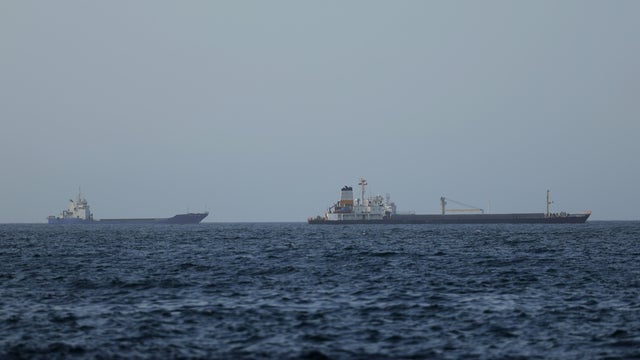
The negotiations were expected to start as soon as this weekend, but Vice President Vance's trip there was put off and Switzerland said the negotiations have been postponed.
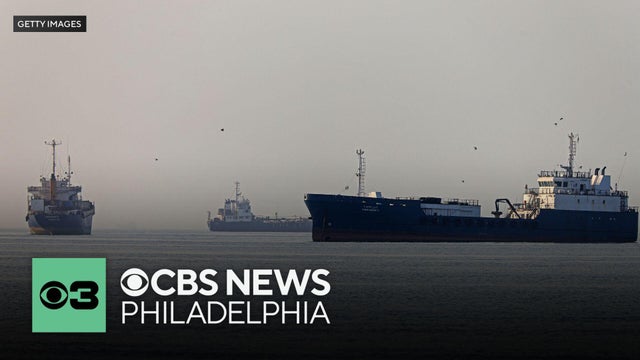
The Associated Press reports details have been leaked of a possible deal between Iran and the U.S. to end the war. Under the terms, Iran would reopen the Strait of Hormuz and be allowed to sell oil freely. Josh Sanders has the latest from the Pulse Desk.
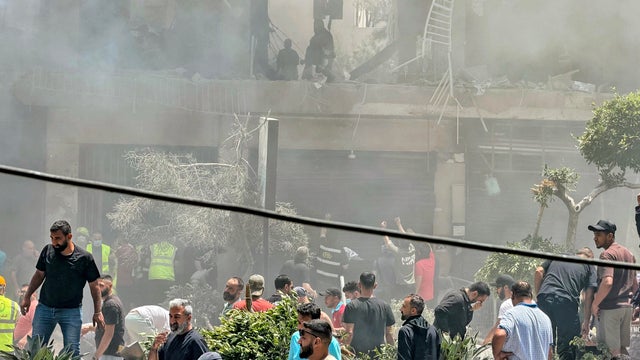
Pakistan's prime minister said Sunday the U.S. and Iran had reached a deal that includes "the immediate and permanent termination of military operations on all fronts, including in Lebanon."
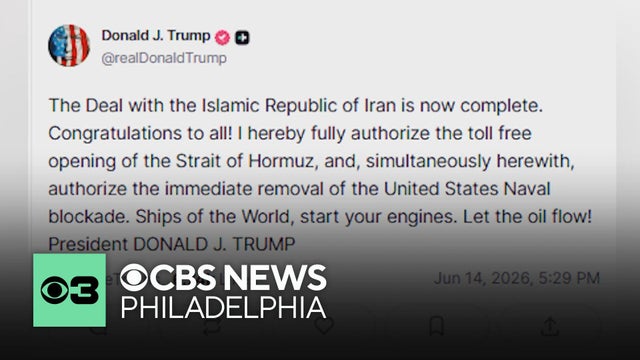
President Trump said the peace deal between the United States and Iran is complete and will be signed on Friday.

U.S. military strikes continued into Wednesday morning after Iran downed an Apache helicopter. Iran warned that attacks against the country will not go unanswered. Josh Sanders is at our Pulse Desk with the latest updates on the conflict.
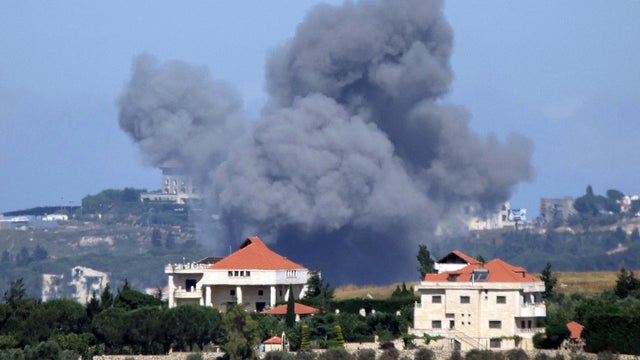
Israel and Iran were firing missiles at each other Monday, endangering the shaky truce that's been in place as well as talks on a deal to end the fighting.
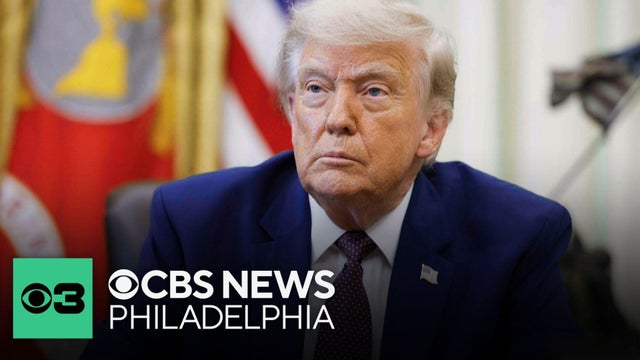
Sunday marks 100 days since the war with Iran began.
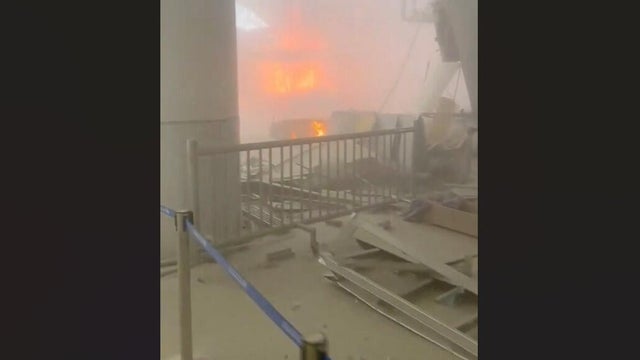
Israel and Lebanon agreed Wednesday to renew their fragile ceasefire and create a number of "pilot" security zones inside Lebanon where Hezbollah would be banned.
There still appeared to be no decision from President Trump as of Sunday afternoon on whether he would sign off on a potential peace agreement with Iran.
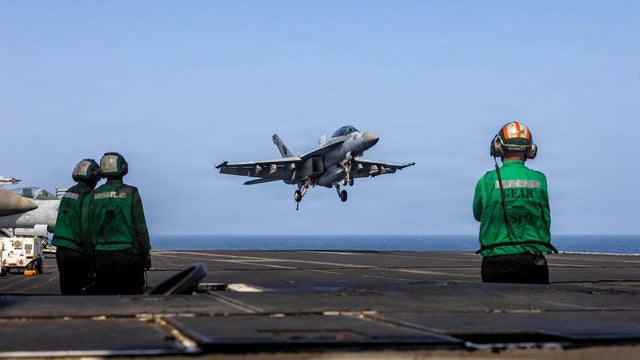
The vice president says the U.S. and Iran are "very close" to a deal, but are "not there yet." Meanwhile, the U.S. struck Iran, which retaliated against a U.S. base.
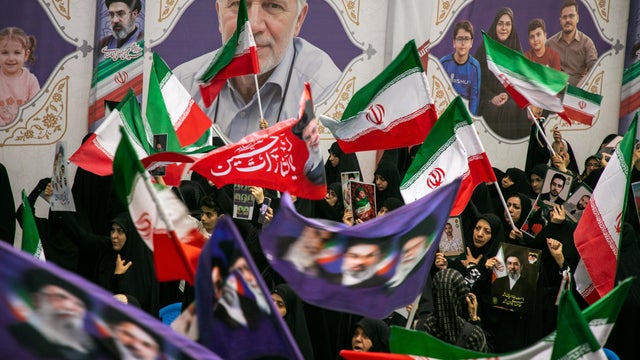
As Iran accuses the U.S. of a "grave violation" of the fragile ceasefire, Rubio says a deal is still possible despite the latest clash.
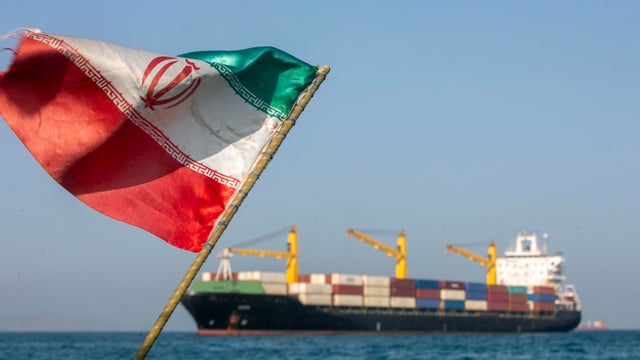
There is broad commitment on the principles of a deal, a senior Trump administration official said, and the administration feels positive about where things stand.
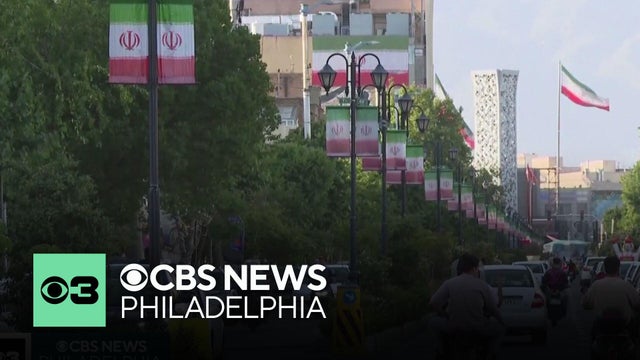
The United States and Iran are close to reaching an agreement that would end the war, but lawmakers on both sides of the aisle say they have concerns about the deal.
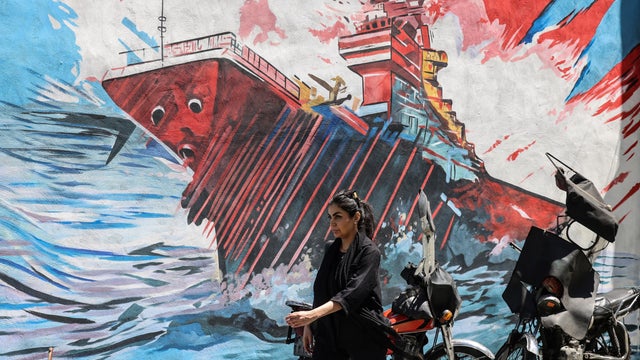
Iran warns any new U.S. attacks will bring a "bad result," as President Trump acknowledges the ceasefire is faltering and violence flares in Lebanon.
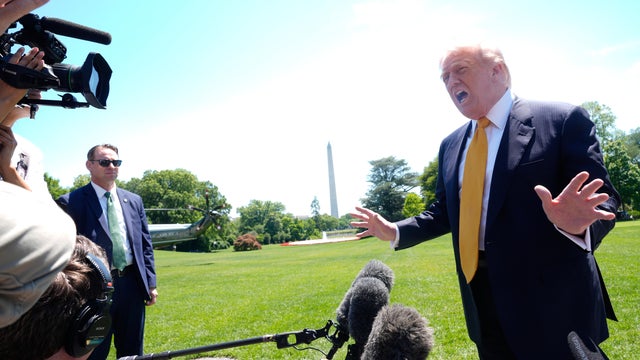
President Trump said Americans' financial situation isn't motivating him to make a deal, "Not even a little bit," and that he is only focused on preventing Iran from getting nuclear weapons.
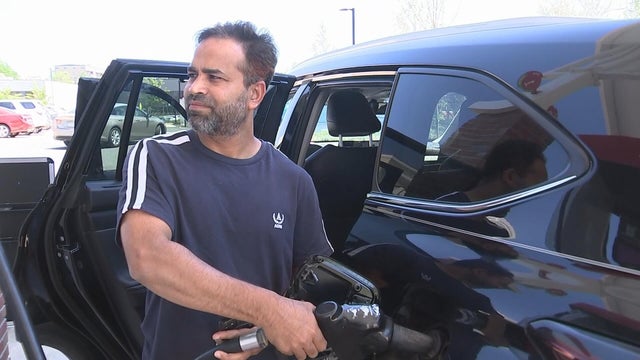
Drivers in the Philadelphia area say they're changing their routines because of rising gas prices.
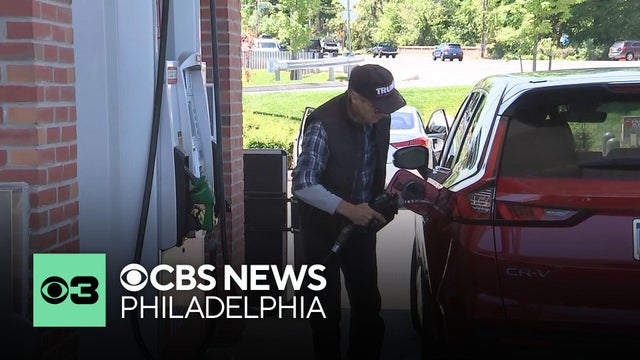
With gas prices surging because of the Iran war, some Philadelphia-area drivers say they plan to drive less.