Late Harlem actress Toni Vaz selected for star on Hollywood Walk of Fame

A Harlem-raised Hollywood trailblazer helped open doors for generations of Black performers and created one of the entertainment industry's most recognizable awards.
Two years after her death, Toni Vaz's family is fighting to make sure her legacy is permanently recognized on the Hollywood Walk of Fame.
A little known fact about the Walk of Fame is that the stars are paid for by the stars themselves. The cost changes from year-to-year and was priced between $75,000 to $85,000 when Vaz was selected in 2024. She died a few months after being selected at the age of 101.
Honorees have two years to pay for the star and schedule the ceremony. There is currently a GoFundMe where fans can donate to Vaz's family, who is raising money for the star.
Vaz had a long résumé, dating back to the 1960s and 1970s. She performed stunts for renowned actresses like Dorothy Dandridge, Eartha Kitt and Cicely Tyson. Arguably her proudest credit is for creating the NAACP Image Awards, which had its first ceremony in 1967.
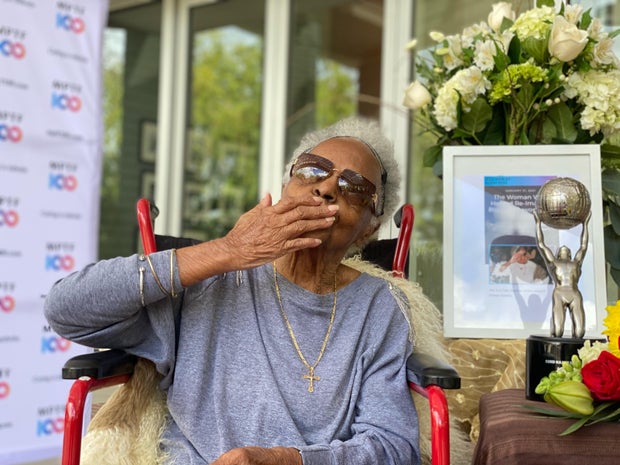
Her great-niece, Cheryl Abbott, now runs the Toni Vaz Foundation and states that one of Vaz's lifelong goals was to expand the types of roles offered to actors of color.
"She did it not just for herself. She did it for the generations in front of her, for a little girl that might walk by and say, 'Mommy, I want to be an actress,'" Abbott said.
Entertainment runs in the family; Abbott herself is a talent manager and booking agent.
"I just want to make sure that her name goes down in history, that it stays in the history books, that people know that if you do have a dream and you want to make a difference in a change, you can do it," Abbott said.
Black actresses today say that some of the issues in entertainment that Vaz was advocating for are still a fight. Mahalet Dejene is a Black actress of Ethiopian descent who has appeared in shows like HBO Max's 2021 sequel series "Gossip Girl" and the medical procedural "New Amsterdam."
"We have had so much more opportunities now than before, across the board for minorities and people of color, but I really think that there's a gap, and I think I would call it 'meaningful diversity,'" Dejene said. "And it's not to say that every film and every project needs to go deep into somebody's culture, because that's not always necessary, but it certainly feels like people of color are still secondary or tertiary individuals to the major plot point and not necessarily the lead."
Dejene said actresses such as Vaz opened doors for the likes of Viola Davis and Angela Bassett – award-winners who, in turn, would reach heights once unheard of for women of color in entertainment, all of which has created a path for actors like her.
Dejene believes that Black performers – and others from marginalized groups, like indigenous actors – have been underrecognized by mainstream institutions, leading to public backlash like the 2015 #OscarsSoWhite movement, which criticized the Academy Awards for failing to nominate a person of color in any acting category that year. However, Dejene also recognizes the legacy and access that public and industry recognition can bring, not just to the individual, but to the wider communities they come from.
"The Hollywood Walk of Fame is a cross-cultural zeitgeist, the thing that suggests you have made it in this career," Dejene said before adding with a laugh, "but you do have to pay for it!"
Have a story idea or tip in Harlem? Email Noëlle by CLICKING HERE.


