High levels of PFAS found in produce from 8 Long Island farms

A new study shows toxic forever chemicals known as PFAS may be entering the food chain on Long Island through contaminated soil, water and air.
PFAS have leached into our food from packaging and cookware. Now the risk may also be reaching our crops themselves.
The study
Citizens Campaign for the Environment (CCE) conducted the study, along with Stony Brook University and Public Employees for Environmental Responsibility (PEER), in August 2025.
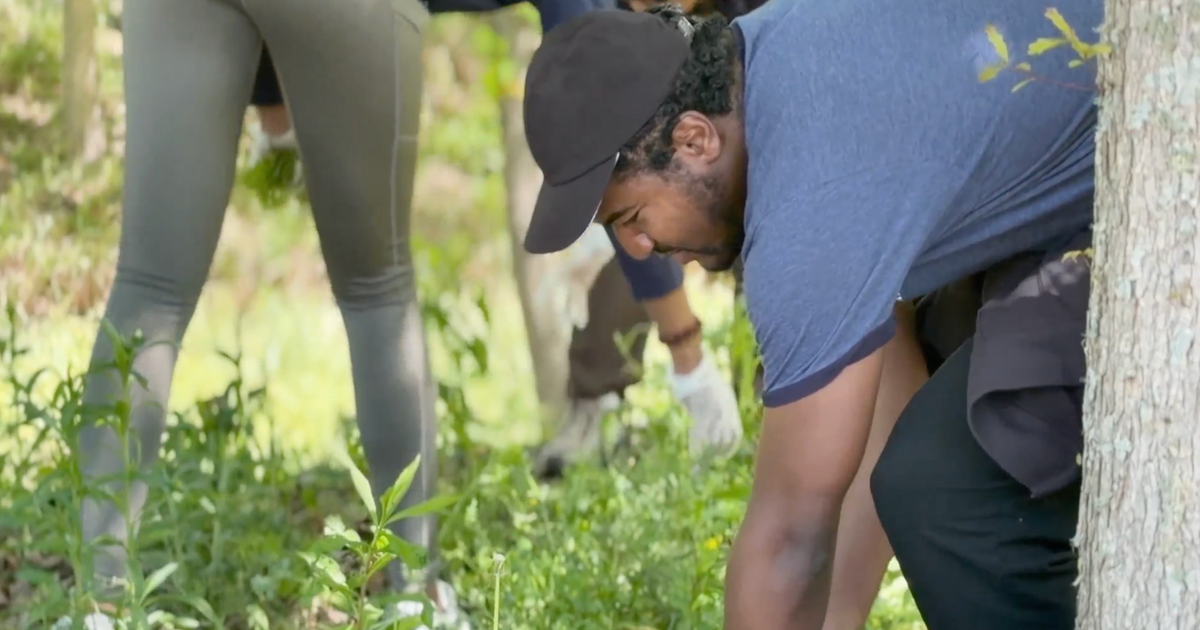
They said they purchased a total of 23 items of produce from eight farms on the North Fork and South Fork, including six conventional farms that use pesticides and two organic farms. The farms were not named in the study.
The produce included carrots, romaine lettuce, Boston lettuce and beets. The vegetables were frozen the day they were collected and tested for PFAS at Stony Brook labs. Testing revealed some high levels of PFAS, which have been linked to cancer.
"I will stand behind our produce," said Bill Zalakar, with the Long Island Farm Bureau.
The bureau wants answers to protect our food chain.
"There's PFAS in everything that's out there. We were just shocked on those numbers and trying to figure out where is it coming from," Zalakar said.
"Environmental crisis" linked to PFAS
PFAS used by industry for specific consumer products are now victimizing farms and farmers, say scientists.
"Discharged into our environment, which means they're in our soil, they're in our rain, they're in our groundwater," said Dr. Kyla Bennett, PEER's director of science policy.
"When we hear from scientists that we have an environmental crisis going on in relationship to PFAS, it's a call to action," CCE Executive Director Adrienne Esposito said.
Scientists are urging the Environmental Protection Agency to stop PFAS at their source by banning the toxic chemical compounds and mandating the production of safe alternatives to satisfy consumers' thirst for stain-resistant, non-stick products.
Scientists at the Long Island Symposium said exposure to PFAS is widespread, with 97% of Americans having detectable levels of PFAS in their blood.