Struggling to pay utility bills? There are programs to help New Jersey families.

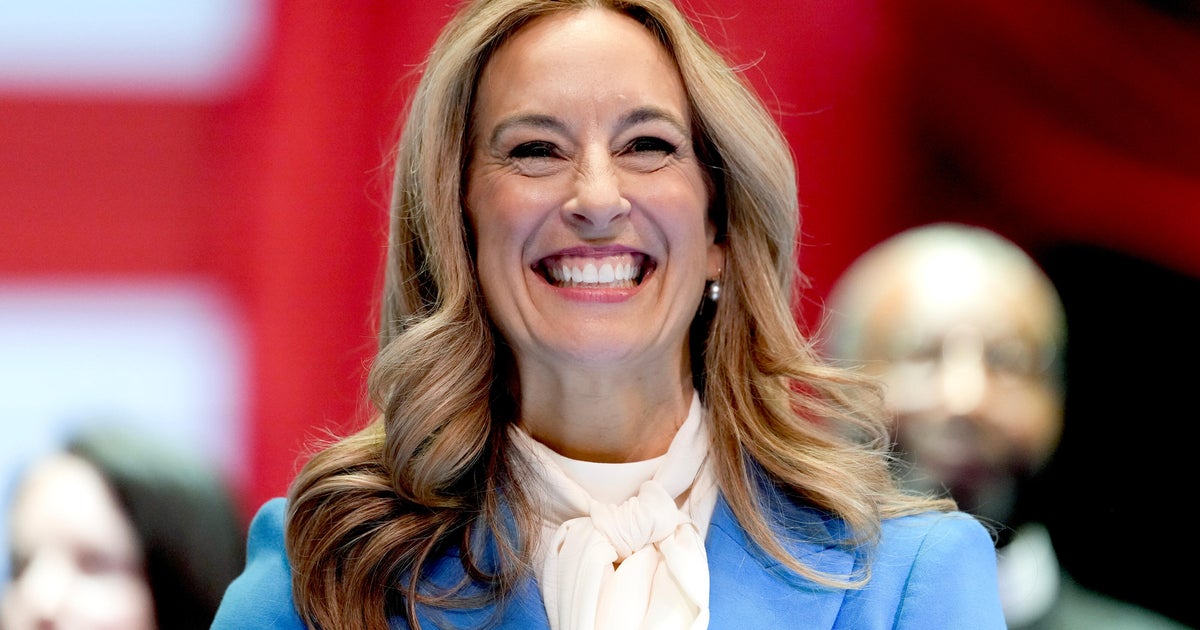
New Jersey residents have been dealing with skyrocketing utility bills, prompting Gov. Mikie Sherrill to sign two executive orders on her first day in office to freeze rate hikes.
However, according to advocacy groups, many gas and electric companies raised their rates before she was sworn in.
The question now is whether the new governor can fulfill her promise and if people struggling with high bills can get relief.
What Gov. Mikie Sherrill's executive orders do
Louis Falcon said he got an outrageous December electric bill that included heat for his Martinsville home.
"It was about $900. It was a lot. It was a lot and it has only been going up," Falcon said.
The married father of two said they are setting the thermostat lower and the kids aren't home as much.
"Even with less usage, the amount has stayed the same or more," Falcon said. "I give them what I can. That's what I do."
Sherrill's spokesperson told CBS News New York her executive orders will lower bills and "She will be closely monitoring the upcoming auction and working with the [Board of Public Utilities] to support taxpayer relief and offset any additional costs for consumers."
Brian Lipman, the director of the New Jersey Division of Rate Counsel, said the governor has options.
"I don't think it's possible to do it immediately, but what she can do is in her executive order number one, she could add, she'll have bill credits that will offset the increases," Lipman said.
"I know it takes time for things to go into effect, but it needs to happen fast because a lot of people, not just myself, are really suffering," Falcon said.
Programs New Jersey offers to help utility customers
Janel Winter, the state Department of Community Affairs assistant commissioner, said New Jersey offers programs to help people who can't afford to pay their bills.
"It is mostly low- and moderate-[income residents], so in New Jersey, we've been able to set the limits higher than they are in some places," Winter said.
That means a single person with a $50,000-per-year income and a family of six making $126,000 annually can qualify for the federal Low Income Home Energy Assistance Program (LIHEAP) and the state's Universal Service Fund, which are part of the same application.
"It will make a one-time payment toward your utilities, and Universal Service Fund will make an ongoing payment for people who qualify. So every month, there will be a credit on your utility bill," Winter said.
She added New Jersey also has a program preventing utility companies from turning off heat during the cold season.
Winter said people like Falcon can set up payment plans with their providers.
"So, if you have gotten behind, you don't have to keep getting behind. You have a plan, so you can pay a little bit each month until you're caught up," Winter said.
If you are in doubt as to whether you qualify for any of these assistance programs, please click here. Customers, including renters who pay heating bills, can also call 211 for application assistance.
Winter said there are programs that help weatherize homes and replace windows and even remove lead if your home was built before 1978.