Senate passes climate, health and tax bill in major win for Democrats
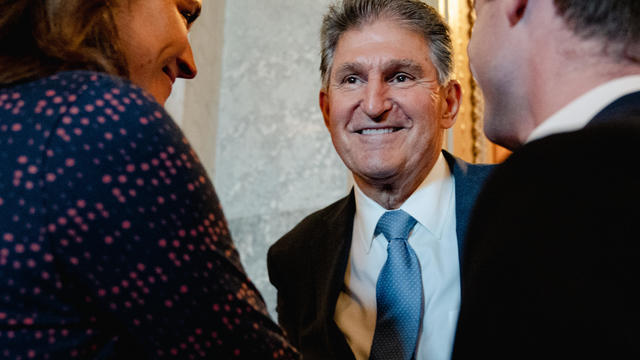
The bill's passage is a significant achievement for Democrats as they look to maintain their hold on Congress in the November midterm elections.
Watch CBS News
The bill's passage is a significant achievement for Democrats as they look to maintain their hold on Congress in the November midterm elections.
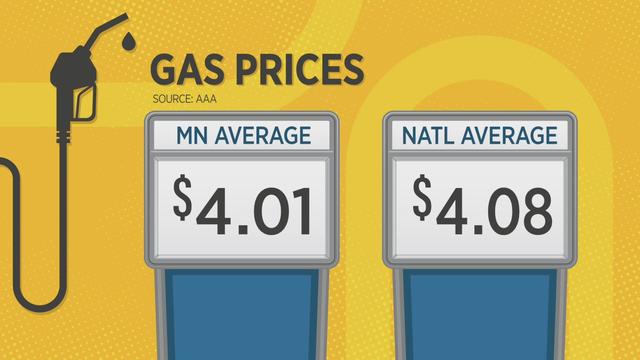
The average cost of gas in Minnesota is down to $4.01 per gallon as Americans continue to struggle to pay bills.
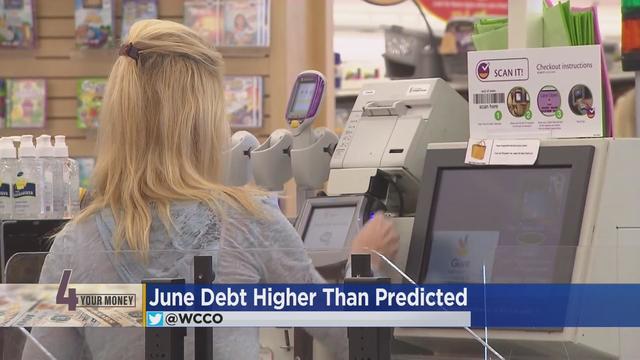
Economists say Americans are piling up debt at a higher rate than previously predicted.

Changing up spending habits because of higher expenses elsewhere is a necessary dose of prioritizing in this economic climate.
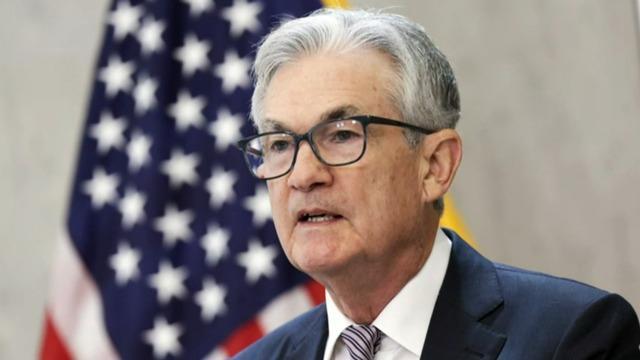
The Federal Reserve, as expected, announced it is raising interest rates by three-quarters of a percentage point to help tamp down inflation. CBS News' Tanya Rivero and Christina Ruffini get analysis of the economic and political impact from Ted Rossman, senior industry analyst at Bankrate.com; CBS News political correspondent Caitlin Huey-Burns; and Michelle Singletary, Washington Post personal finance columnist.
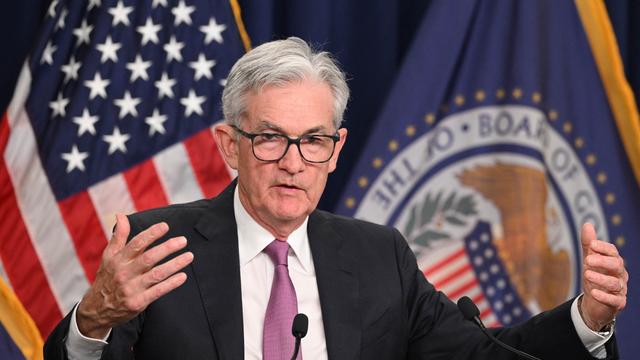
The rise in the federal funds rate, which is what banks charge each other for overnight loans, comes as several significant pieces of economic data are released this week.
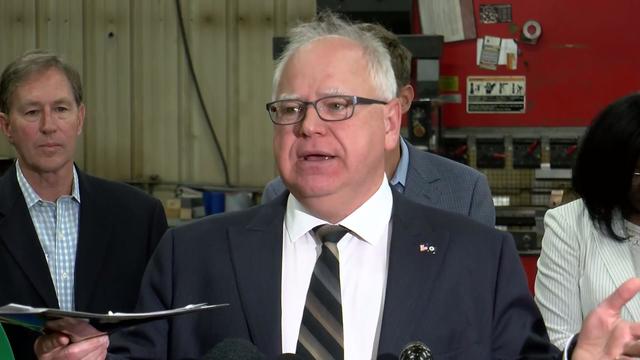
Governor Tim Walz announced on Wednesday a 10-year economic expansion plan that he says will make the economy more equitable, inclusive and sustainable.
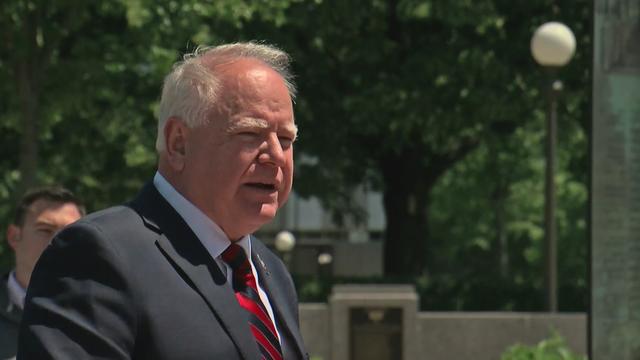
Governor Tim Walz announced on Wednesday a 10-year economic expansion plan that he says will make the economy more equitable, inclusive and sustainable.

Minnesota's unemployment rate dropped to an all-time low of 1.8% in June, according to the latest data from the Minnesota Department of Employment and Economic Development.

WCCO's Jonah Kaplan talks with the Minneapolis Federal Reserve about why interest rates are rising now and what it means for consumers.
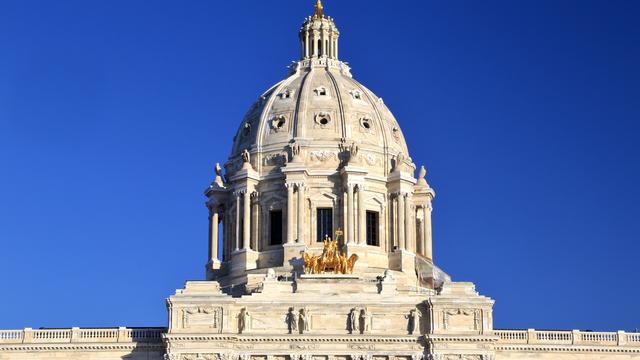
Minnesota's unemployment rate sunk to 2% for the month of May, breaking another record.
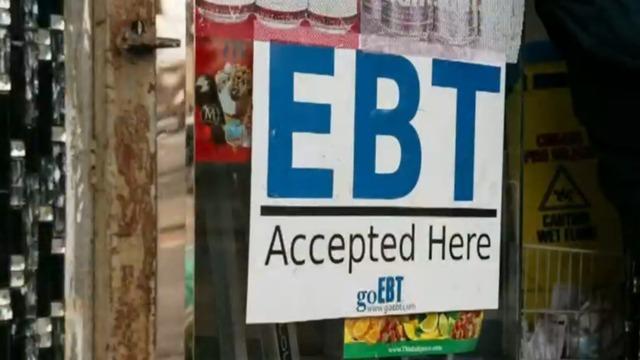
More households in Minnesota are qualifying for a federal program that provides assistance with food. And, it comes at a time when inflation has caused grocery prices to rise.
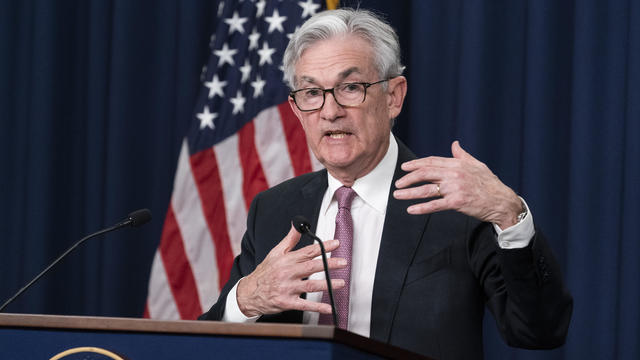
"Inflation is much too high," Fed Chair Jay Powell said of the U.S. central bank's largest rate hike since 1994.
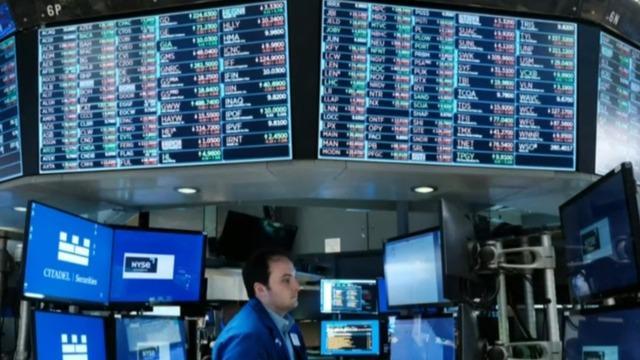
Stocks fell again Tuesday ahead of the Federal Reserve's impending announcement on interest rates. This week's losses come on worries that high inflation will push the central bank to hit the brakes too hard to slow demand.

The stock market took a deep dive on Friday after the CPI was released: the S&P 500 dropped 117 points, or 2.9%, to 3,901. The Dow Jones industrial Average dropped 2.7%, and the tech-heavy Nasdaq sank 3.5%.
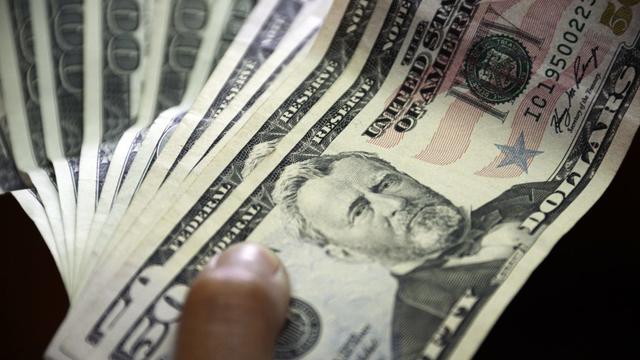
Business leaders in nine Midwest and Plains states indicated in a monthly survey that the region's economy continued to improve going into the new year, with confidence in the economy over the next six months soaring.

The job market was red-hot this summer, but it's cooling off significantly. Across the nation, there are around 11 million openings, including more than 1 million adding in July alone.

Minnesota's unemployment rate held steady at 4% in June as the state recorded its first month of job losses since December.

As Minnesota continues its recovery from more than a year of dealing with pandemic-related restrictions, employers are working to fill jobs.

Minnesota's unemployment rate continued to decline in April, dropping to 4.1%. That's down from 4.2% in March as more Minnesotans find work or return to jobs lost during the COVID-19 pandemic.
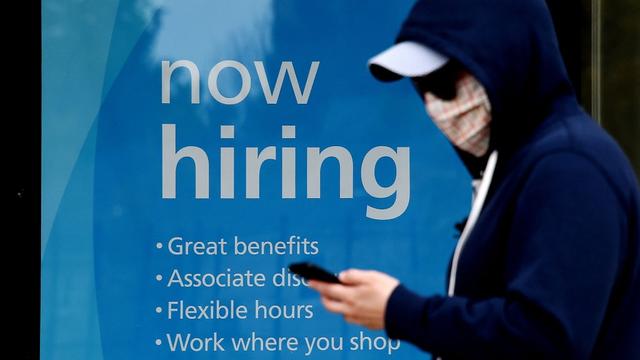
State officials announced Thursday that Minnesota's unemployment rate dropped to 4.3% last month, down from 4.5% in January.

The pandemic has disproportionately affected employment for women, particularly women of color. More than 2 million women have left the workforce since February of last year.
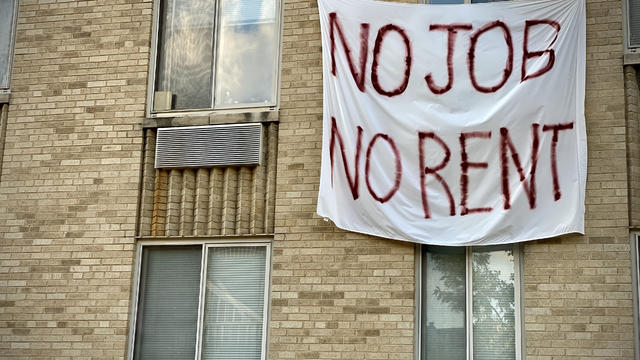
State officials say Minnesota's unemployment rate dropped slightly last month as more Minnesotans left the workforce and the state shed nearly 50,000 jobs amid the tightened COVID-19 restrictions.
Wisconsin's unemployment rate dropped from 6.3% in August to 5.4% in September, below the national rate but 2 points higher than a year ago as the state deals with a surge in coronavirus cases.
While Minnesota's unemployment rate dropped to 7.7% last month, down from 8.6% in June, there's still a long road ahead to economic recovery as many remain jobless amid the COVID-19 pandemic.