Japan plans Olympics despite COVID crisis: "It's a tug of war"
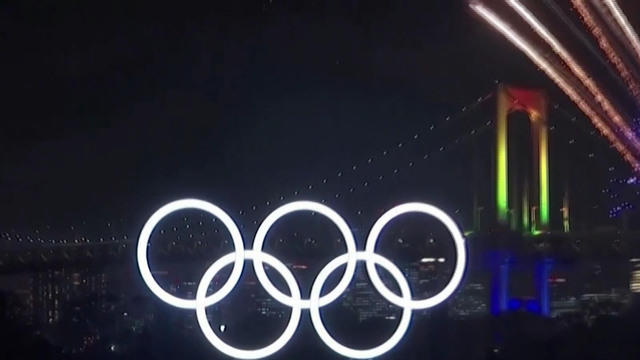
As Tokyo marked 50 days until the start of the Olympics, most of Japan is still under a COVID-19 state of emergency.
Watch CBS News
As Tokyo marked 50 days until the start of the Olympics, most of Japan is still under a COVID-19 state of emergency.
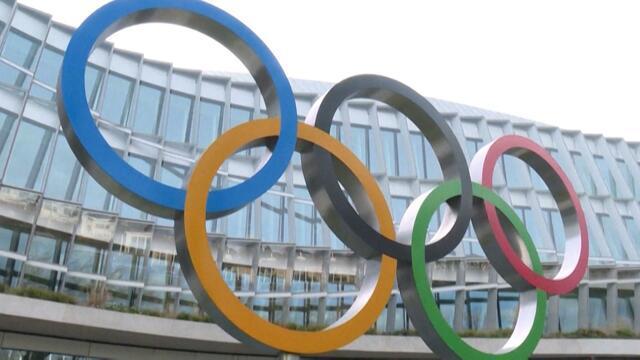
The summer Olympics are scheduled to open in Japan on July 23. But this week, the U.S. State Department issued a "Do Not Travel" advisory to the country. Japan is closed to tourists due to a fourth COVID-19 surge. The medical community there has repeatedly warned that holding the Olympic Games could be catastrophic to Japan's universal health care system. Lucy Craft reports.
The CDC is warning all Americans to avoid travel to Japan because of its latest jump in COVID-19 cases. The advisory will not keep U.S. athletes out of the upcoming Tokyo Olympics, but organizers are still under severe pressure. Ramy Inocencio reports on Japan's desperate push to save the games.
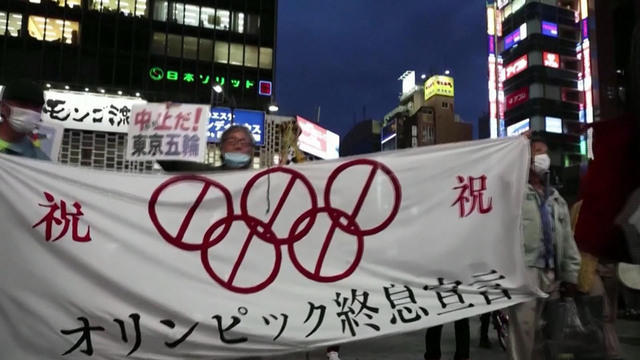
Organizers and Japanese officials have been adamant that the Games can go ahead safely, with restrictions, amid the pandemic, but Japan's residents aren't buying it.
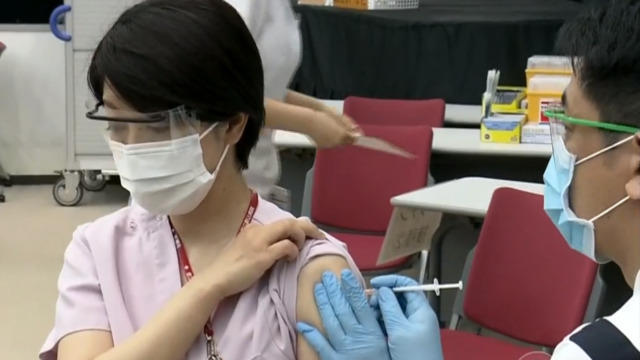
Japan has only approved one vaccine and restricts who can administer the shot.
Team USA hasn't commented, while a regional official in Japan called the apparent move "unfortunate," but indicated understanding "given the current situation."
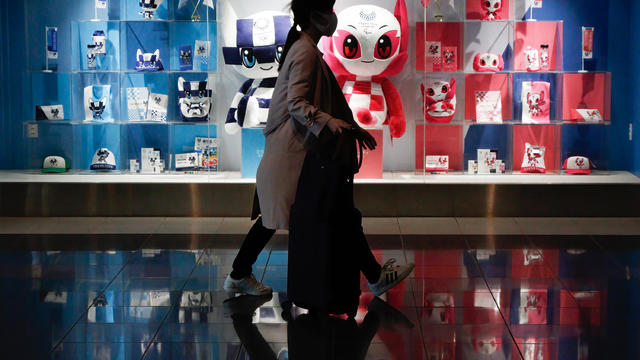
One political scientist says the country won't be "vaccine-ready for the Olympics," leaving many in Japan extremely wary of hosting a COVID-era Games.
An uptick in new infections, driven by a more-infectious virus variant from Britain, is putting two major cities back under a state of emergency.
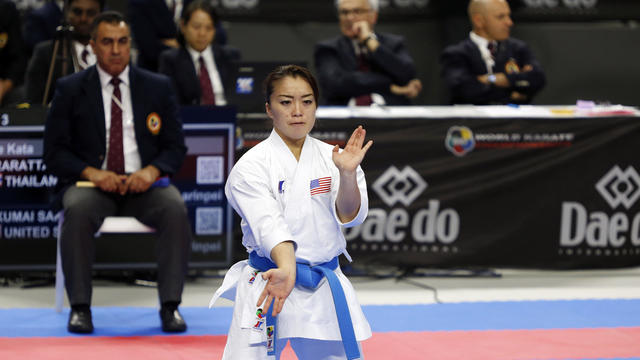
Kokumai, a karate star, shared videos of a man harassing and threatening her at a park in California.
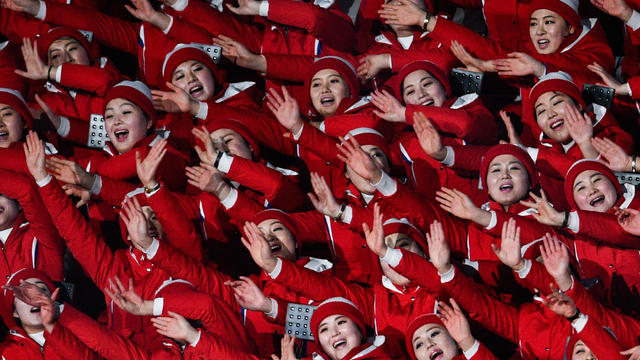
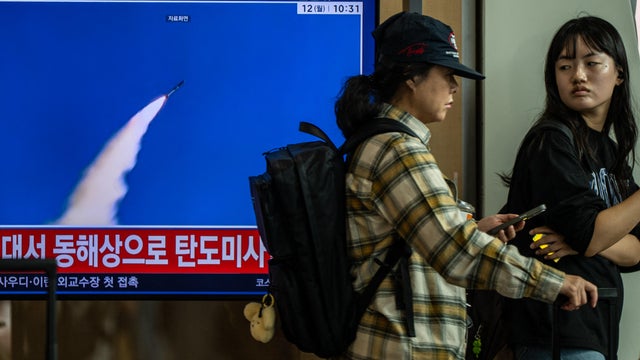
Kim Jong Un regime says it won't participate in Tokyo Games because of coronavirus, but one analyst sees it more as "thumbing its nose at the international community."
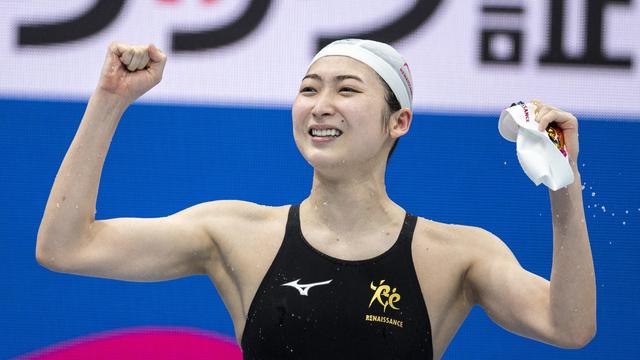
After the race, she pumped her fist and broke down in tears.

The USOPC also outlined its guidance against hate and discriminatory speech by athletes.
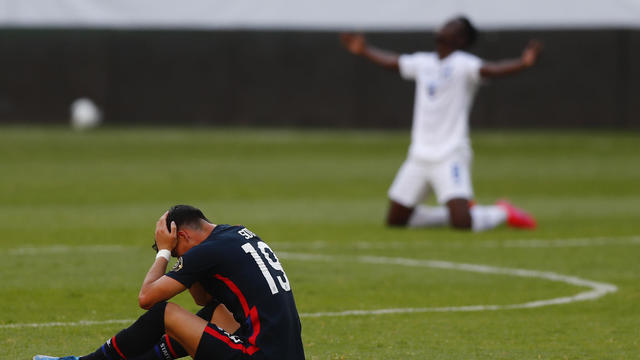
"At the end of the day, I just don't think we had enough," USMNT's coach Jason Kreis said.
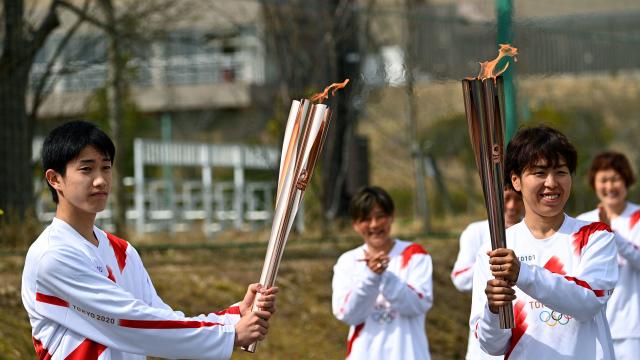
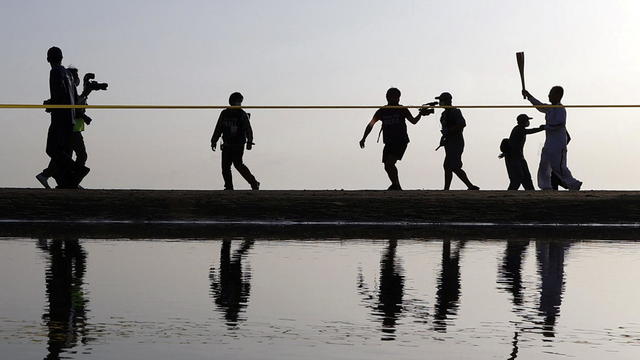
Official run-up to the COVID-postponed Summer Games gets underway in the beleaguered Fukushima region, under a shroud of uncertainty.

The International Surfing Association said the 22-year-old "embodied the joy and energy that make surfing so special and dear to us all."
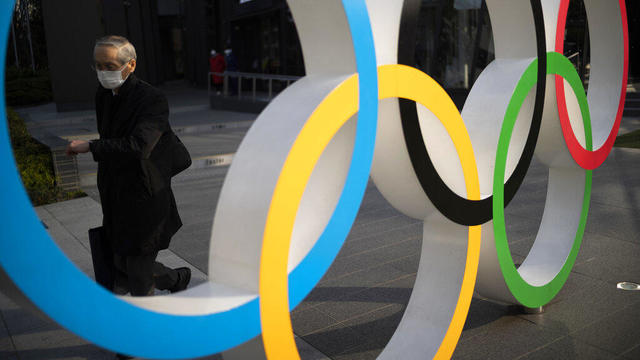
About 1 million tickets are reported to have been sold to fans from outside Japan.
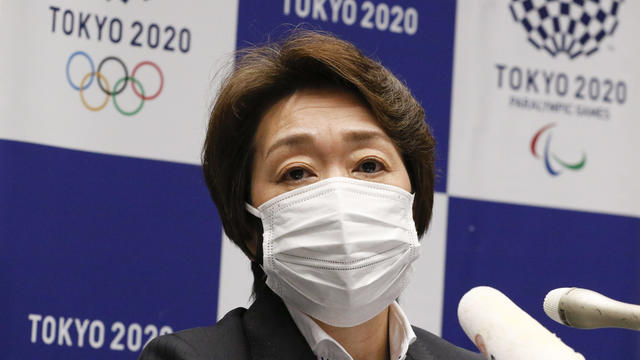
2 days after officials told media outlets spectators from outside Japan wouldn't be allowed amid concerns over COVID-19, the new Olympics boss says it's still being considered.
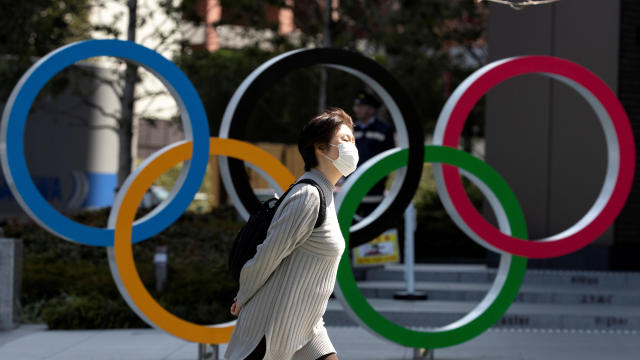
Spectators from outside Japan reportedly won't be admitted amid deep concerns among the country's citizens over the coronavirus' spread abroad.
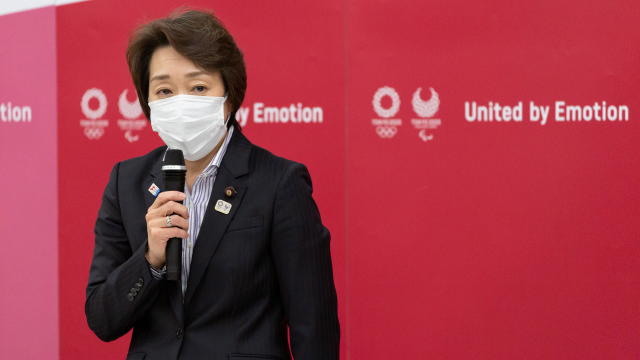
Seiko Hashimoto, 56, replaces Yoshiro Mori, 83, after he made sexist remarks. Women are still rare in boardrooms and positions of political power in Japan.
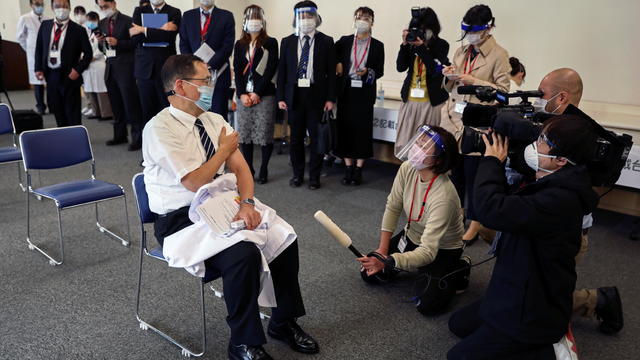
About 80% of those polled in recent media surveys support cancellation or further postponement of the Olympics because of the virus worries.
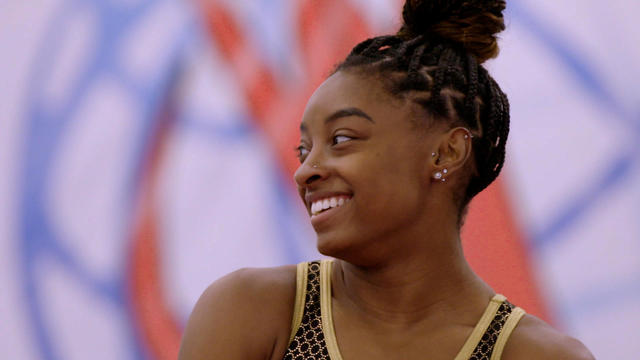
Sharyn Alfonsi speaks with the gold medal-winning gymnast about the year-long delay before her final Olympic Games, USA Gymnastics' response to Larry Nassar and why she thinks the training she went through in previous years wasn't right.
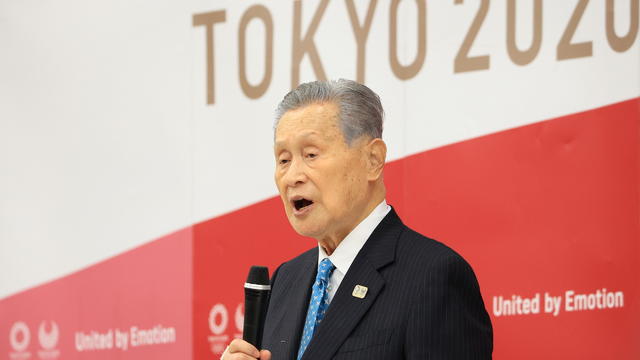
But it's unclear what effect the controversy over Yoshiro Mori's statements will have on the games or Japan's gender inequality issues.
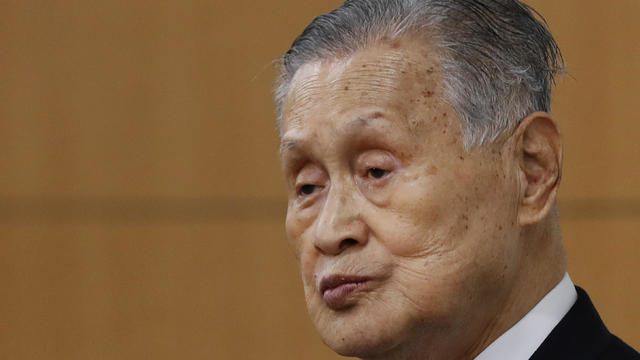
Former prime minister Yoshiro Mori, 83, drew condemnation for saying women "talk too much," including a surprising level of anger in his own country.
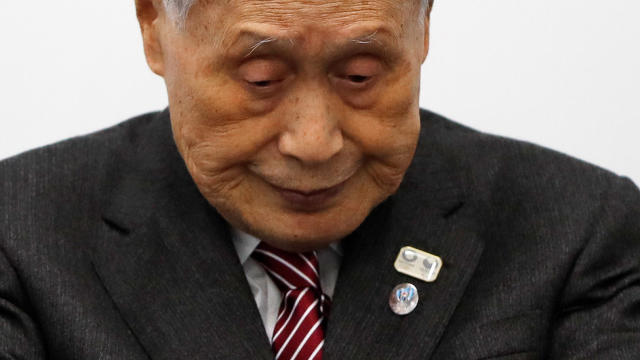
Sexism and deference to elders have long been the norm in Japan, but experts say anger over comments by the former prime minister in charge of the Games is "really palpable."
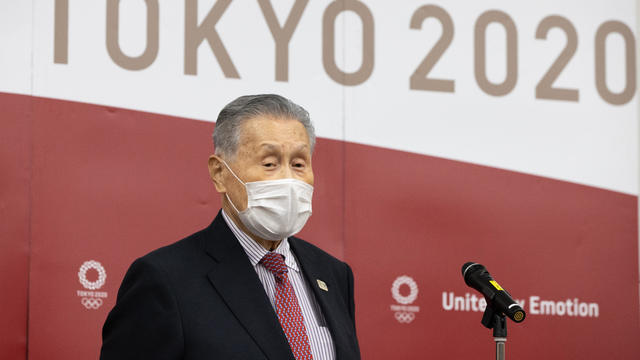
A remark about "annoying" women by the man in charge has tarnished Tokyo's efforts to highlight meticulous planning for a safe Summer Olympics amid a pandemic.