Novo Nordisk debuts Wegovy weight-loss pill in the U.S.
FDA-approved semaglutide drug is the first GLP-1 pill for weight loss available in the U.S., according to drugmaker Novo Nordisk.
Watch CBS News
FDA-approved semaglutide drug is the first GLP-1 pill for weight loss available in the U.S., according to drugmaker Novo Nordisk.

The Food and Drug Administration has approved a pill version of the weight-loss drug Wegovy.
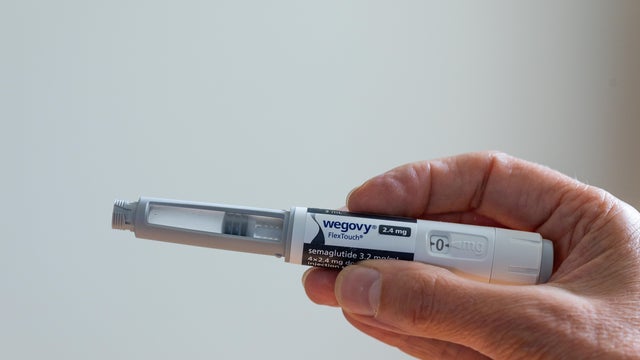
Novo Nordisk said it will stop selling Wegovy on Hims & Hers, claiming the telehealth company sold knockoff versions of the weight-loss drug.
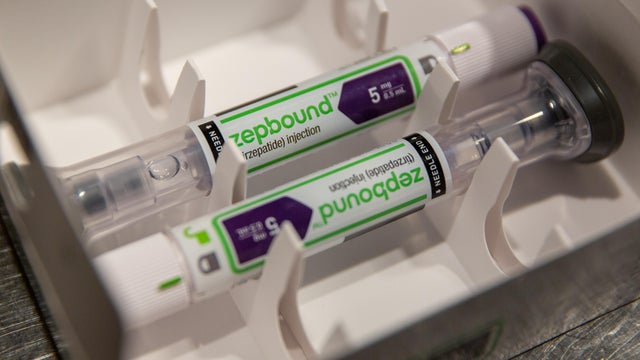
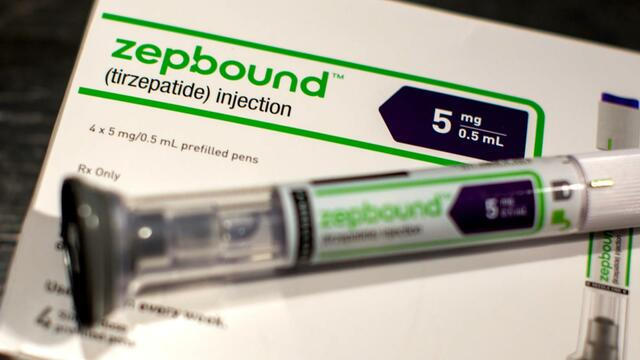
Those who take tirzepatide, the drug sold as Zepbound and Mounjaro, could lose more weight than those who take semaglutide, known as Ozempic and Wegovy, according to new research.
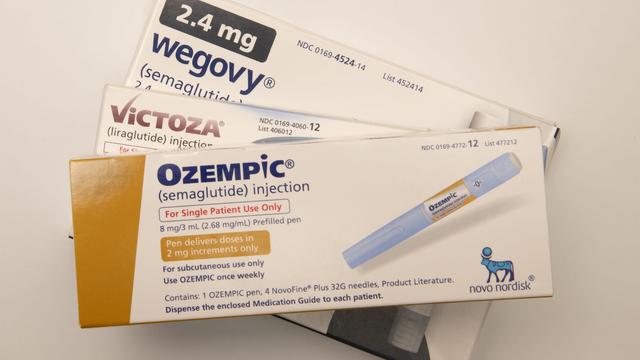
Millions of Americans would be eligible to have popular drugs used for weight loss like Wegovy or Ozempic covered by Medicare and Medicaid under a rule the Biden administration has proposed.

Record demand for Ozempic, Wegovy and other weight loss drugs is fueling a surge of dangerous knockoffs.
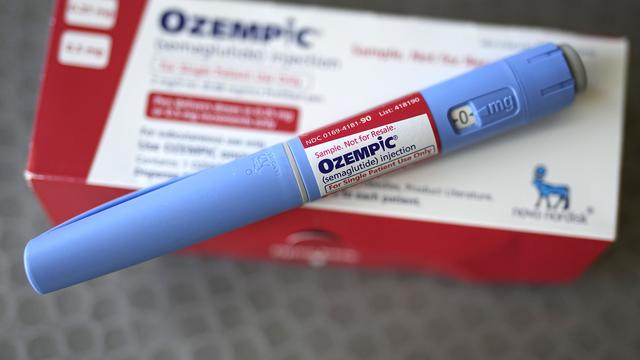
High demand for weight-loss and diabetes drugs like Ozempic and Wegovy has led to a shortage in manufacturing. In the meantime, a market for cheaper, compounded drugs thrives.
Do weight loss drug labels warn enough about potential side effects? A patient who needed emergency surgery is suing prescription drugmaker Novo Nordisk.

Michigan's largest insurance company said it will begin eliminating coverage of various weight loss drugs next year.

Ozempic and other GLP-1 RA drugs, including Wegovy, Mounjaro and Zepbound, are being scrutinized.

A new study from drugmaker Novo Nordisk found that its weight-loss drug Wegovy can reduce the risk of heart problems in people without diabetes, which could change the way doctors treat certain heart patients.

It is unclear if the counterfeit drugs, which many people seek for weight loss, caused the hospitalizations.

The FDA stopped short of saying the potentially life-threatening condition was caused by the drugs, which have become popular for weight loss.

While Ozempic's interaction with the reward centers in our brain could help explain this, Dr. Tamika Henry, founder of Unlimited Health Institute, says more studies are needed.