
When Michigan election results significantly changed the state's history
If you've ever wondered whether a vote can make history, some elections in Michigan did just that. Here are a few examples.
Watch CBS News
If you've ever wondered whether a vote can make history, some elections in Michigan did just that. Here are a few examples.

The U.S. House has passed the Sunshine Protection Act, sending the matter to the Senate. The bill would make daylight saving time permanent in much of the country. Here's a look at the debate.

Lawmakers are one step closer to making daylight saving time permanent after the House passed a bill with overwhelming support.

The measure also allows states to opt out if they take action before the federal law is enacted.
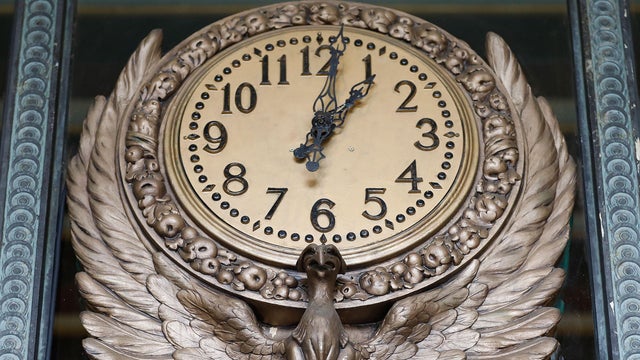
The time change known as daylight savings starts Sunday, March 8, 2026. Most Americans lose an hour of sleep when clocks "spring forward."
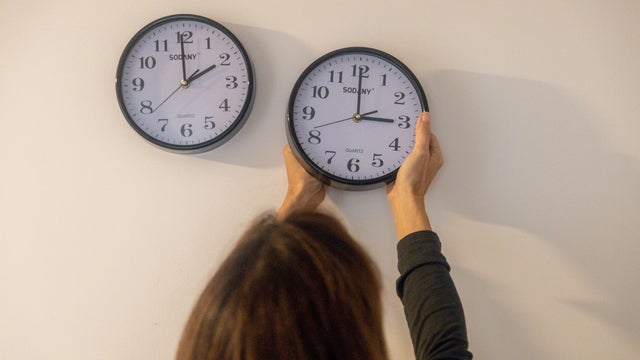
Daylight saving time ended on Sunday, Nov. 2, 2025, when the clocks fell back and we gained an hour.

Daylight Saving Time will end for the year on Nov. 2. While many Americans are frustrated with the twice-yearly change in clocks, the American Academy of Sleep Medicine is among the groups urging lawmakers to eliminate seasonal time changes and enact permanent standard time.

Americans might be healthier if we got rid of daylight saving time, according to Stanford study that made a connection to more heart attacks and fatal traffic accidents after the spring time change.

President Trump has suggested he supports eliminating daylight saving time, although he's also called it a "50/50 issue."

Michigan state Sen. Thomas Albert has introduced a bill that, if passed, would allow voters to decide.

A Michigan senator called for exempting the state from daylight saving time, should voters approve that step.
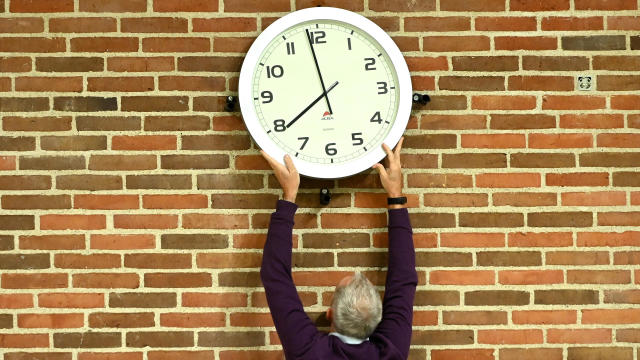
The end to daylight saving time means our clocks "fall back" early Sunday, Nov. 3, 2024. But why do we have to adjust the time twice a year?
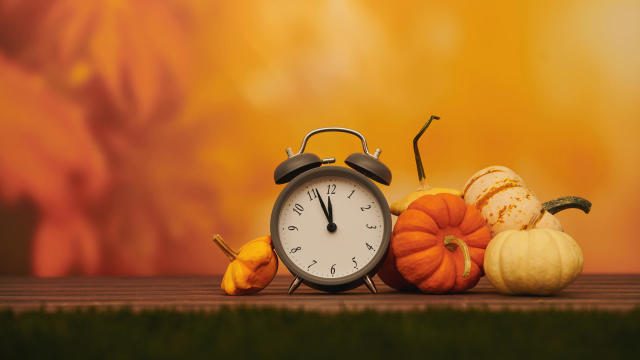
Gaining an extra hour of sleep as daylight saving time ends might sound like a win, but experts say "falling back" can have some health consequences. Here's some advice to help you cope.

Daylight saving time for 2024 is here, which means we lost an hour of sleep as we "spring forward." Here's how to deal with the time change, according to experts.

Clocks "spring forward" when daylight saving time begins on Sunday, March 10, 2024.
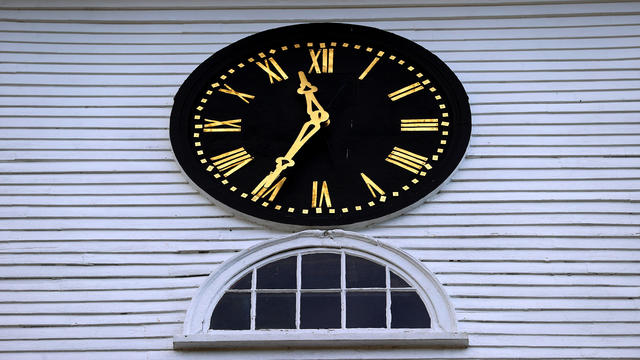
Daylight saving time begins this year in the early hours of Sunday, March 10, giving us longer, sunnier evenings until Nov. 3, 2024. Here's what to know about how the time change works.
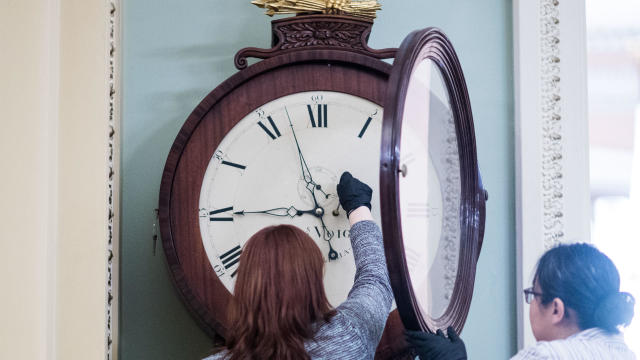
Daylight saving time is returning in March 2024 the same way the twice-a-year time change has resumed for the last 17 years, only to end as usual in November 2024.
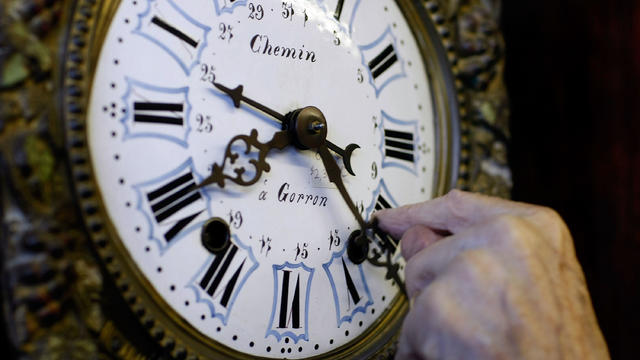
Daylight saving time for 2023 will end in early November with most Americans having to "fall back" for the biannual time change and turn their clocks back an hour.

In case you missed it, a daughter's TikTok helped save her family restaurant and the U.S. Army is resurrecting a once familiar slogan to garner recruits.