Extreme heat is altering life -- and species -- at the Denver Zoo

As extreme heat and air quality warnings continue along the Front Range, the shifting climate isn't just impacting humans. At the Denver Zoo Conservation Alliance, it's changing which species can call the zoo home.
Record summer heat and evolving weather trends are forcing animal caretakers to integrate long-term climate adaptation into master planning, evaluating which animals can comfortably tolerate Colorado's changing environment. In some instances, that has already led to permanent population trades.
"We had Rocky Mountain Bighorn Sheep; they lived on Sheep Mountain," said Jake Kubie, director of public relations for the Denver Zoo Conservation Alliance. "We actually brought in a different species, Desert Bighorn Sheep, because they're more adapted to even hotter temperatures."
Managing the immediate and long-term impacts of Colorado's weather is a daily undertaking for staff caring for more than 3,000 animals across 450 species, representing nearly every climatic region on Earth. Care teams monitor daily weather and ozone alerts to tailor accommodations.
"Every animal has different adaptations and comfort levels, so we need to cater to their needs," Kubie said. "There's some animals that are completely comfortable in this heat, and others where we really need to provide special accommodations."

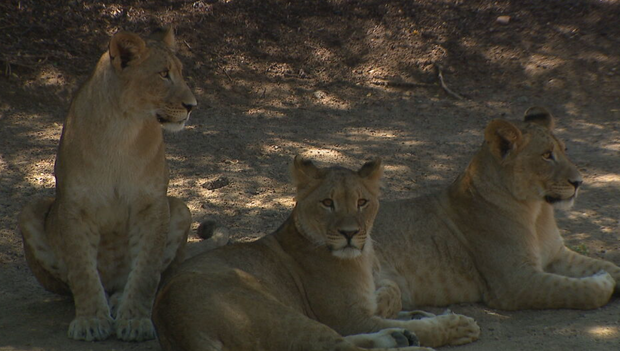
While African penguins happily soak up the sunshine -- surprising some visitors expecting the animals to prefer arctic conditions -- other species rely on specialized interventions. Zoo staff have retrofitted existing exhibits with extra shade structures, automated misters, fans, and chilled water features. Kubie explained carnivores also receive frozen "bloodcicles" -- treats made of meat and blood crafted by the zoo's nutrition team -- to help them cool down. Habitat design also allows animals the autonomy to choose where they want to be; animals are given open access to cooler indoor spaces behind the scenes.
"On hot days, there's a chance you may not see one of your favorite animals, and the reason is we're giving that animal the choice to be behind the scenes in a cooler area," Kubie explained.
Guests visiting the park take notice of the animals taking cover.
"You can tell that they're really doing a lot of things to make it work for the animals," said zoo visitor Zoe Walsh, noting that many animals spend the hottest hours resting in shaded spots. "I was very jealous of the penguins in the water."
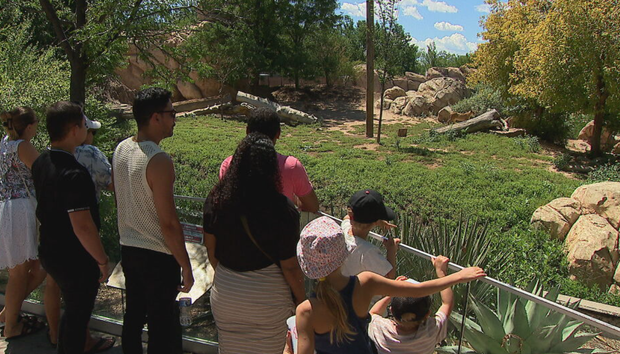
Human visitors are also offered relief, with water refill stations, misters, and a designated indoor "chill zone" to escape the midday sun.
"We're here at least once a week," Walsh said, "and we always have plenty of water."
As summer conditions become increasingly intense, zoo officials say proactive habitat design and long-term species planning will remain essential.
"It does feel like we're getting no breaks this year," Kubie said. "I think we're all feeling that."


