Colorado activates response plan after flesh-eating screwworm detected in U.S.

Colorado agriculture officials are taking new precautions after several cases of New World screwworm, a flesh-eating parasite that attacks living animals, were confirmed in the U.S.
The Colorado Department of Agriculture is activating its New World Screwworm response plan.
State Veterinarian Dr. Maggie Baldwin said Colorado is not facing an emergency, but officials are preparing in case the parasite moves north.
"Right now, we are in a don't panic but prepare phase," Baldwin said. "Right now is not a reason for animal owners, livestock owners, to panic, but certainly we're focused on preparedness here in Colorado."
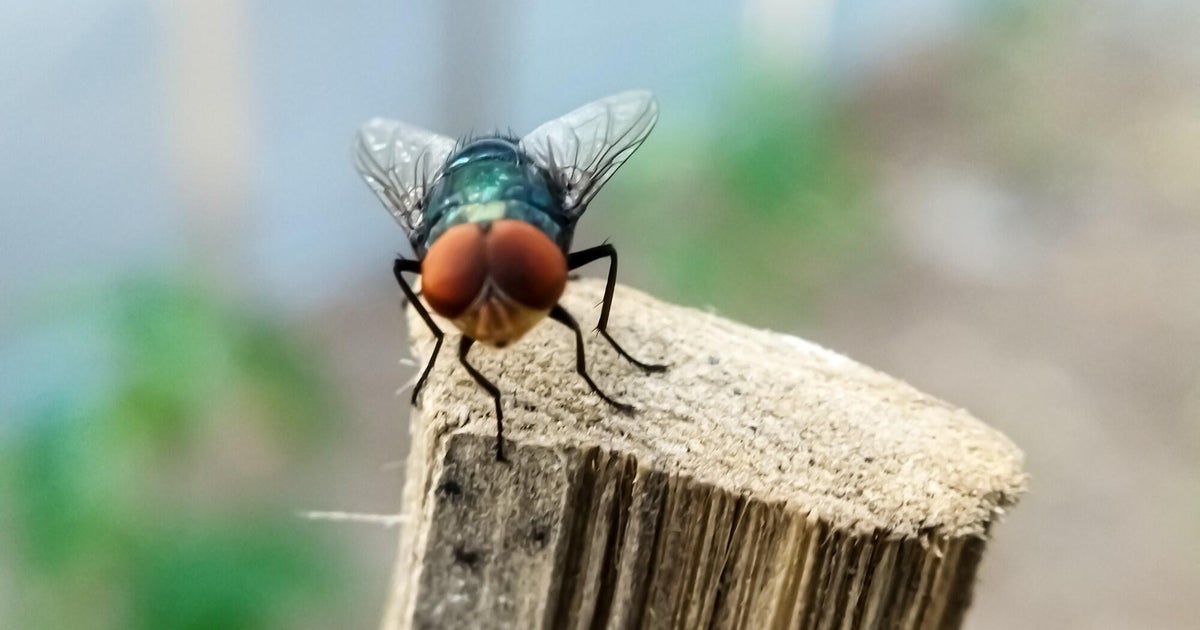
New World screwworm is caused by fly larvae that feed on living tissue. Unlike typical maggots, which consume dead or decaying tissue, screwworm larvae burrow into wounds and feed on healthy tissue, causing severe damage. The parasite can affect livestock, wildlife, pets, and even humans.
The Colorado Department of Agriculture has spent more than a year developing a response plan and has now implemented emergency rules aimed at reducing the risk of the parasite entering the state. Under the new requirements, animals infected with New World screwworm cannot enter Colorado. Certain animals coming from infested areas must meet enhanced inspection requirements, and dogs and cats coming from states with infested zones must undergo a veterinary inspection within five days before travel.

The livestock industry has also been preparing for the possibility of the parasite reaching the United States.
"We in the ranching and cattle business have been talking about the possibility of New World screwworm entering into the United States for about 14 months now," said Erin Spaur, executive vice president of the Colorado Cattlemen's Association. "We've really been preparing for it."
Spaur said that while the parasite is often associated with cattle, it can impact many different animals.
"This is not a food safety concern, and this is not contagious, but what it is, is an animal health concern," Spaur said. "It doesn't just affect livestock. It affects all warm-blooded animals."
Officials stressed that Colorado has not identified any cases of New World screwworm and that the state's food supply remains safe. However, both Baldwin and Spaur encouraged livestock owners and pet owners to remain vigilant and seek veterinary care if they notice unusual wounds, maggot infestations, foul odors or signs of infection.
Baldwin said Colorado is coordinating with federal agencies, public health officials and wildlife managers to ensure the state is prepared if a case is detected.
"We've got a lot of partners ready," Baldwin said. "Right now we're focused on communications, coordinating with our livestock industry partners and coordinating with state and federal partners that would be actively involved in a response."
Additional information about Colorado's response can be found here: https://ag.colorado.gov/animal-health/reportable-diseases/new-world-screwworm.