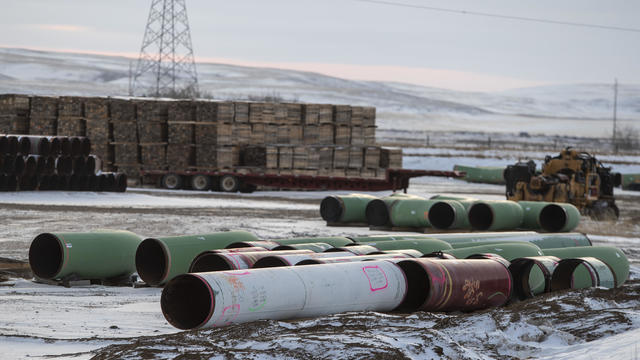
Could the Keystone XL pipeline help lower U.S. gas prices?
As prices at the pump surge, GOP leaders see the suspended oil pipeline as a solution. But the answer isn't so simple.
Watch CBS News
As prices at the pump surge, GOP leaders see the suspended oil pipeline as a solution. But the answer isn't so simple.
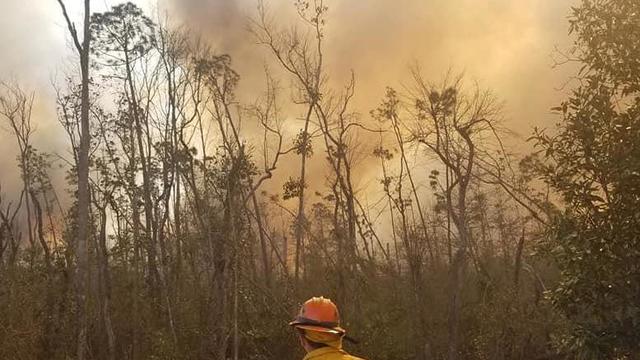
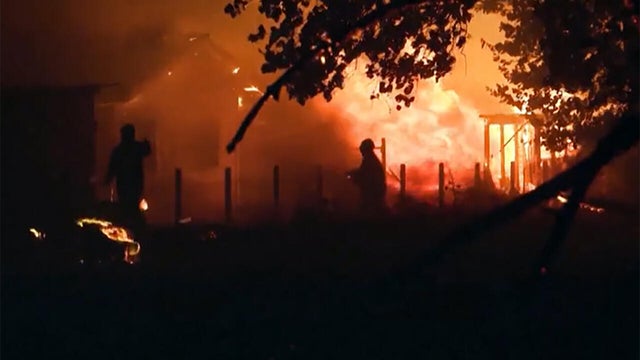
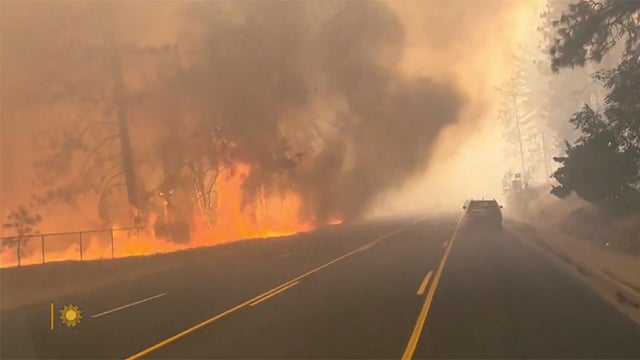
Wildfires are larger, more frequent and more widespread in the last 20 years than they have been before.

As the world warms, allergy season will last longer and pollen levels could as much as triple in some places, a new study says.
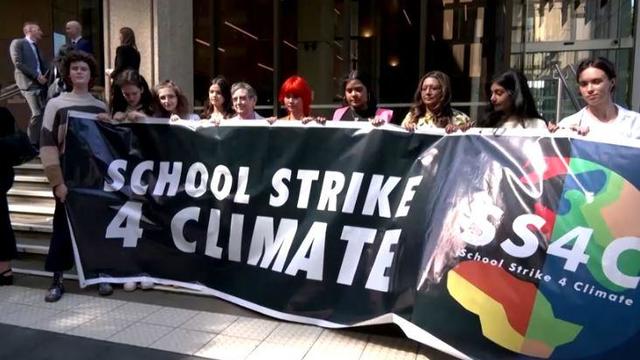
An Australian appeals court overturned a ruling that said the environment minister had a duty to protect young people from the impact of global warming.
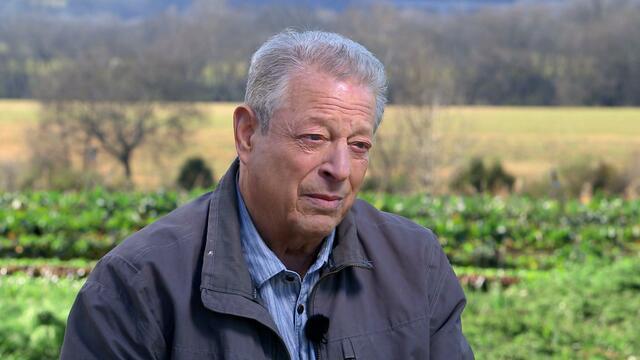
Former Vice President Al Gore admits he still hasn't completely gotten the message of his film, "An Inconvenient Truth," across, but he is hopeful for the future, mostly because of the energy in the streets by young people protesting climate inaction by world leaders. Ben Tracy spoke to Gore.
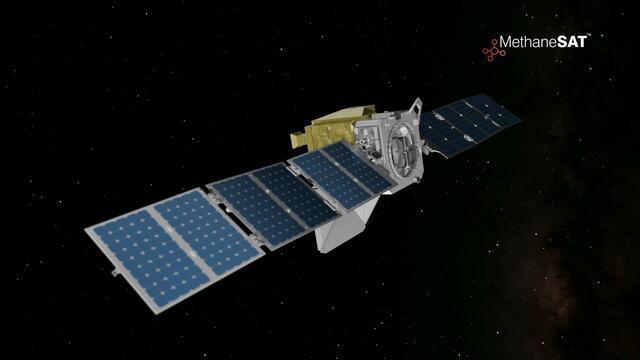
Methane is 85 times more powerful than carbon dioxide when it comes to planet-warming properties. Jeff Bezos and Elon Musk are contributing to an effort to monitor it leaking from oil and gas sites. Ben Tracy reports.
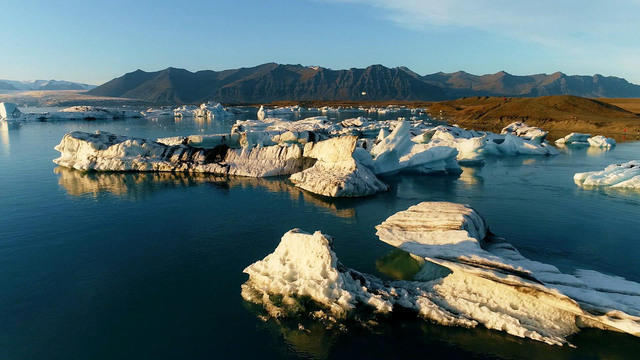
The bucket lists of many tourists now include destinations like the glaciers of Iceland, the Great Barrier Reef, Mount Kilimanjaro and the Galapagos Islands. They travel to visit locations that may not look the same or even continue to exist in the future due to climate change. Ben Tracy reports.
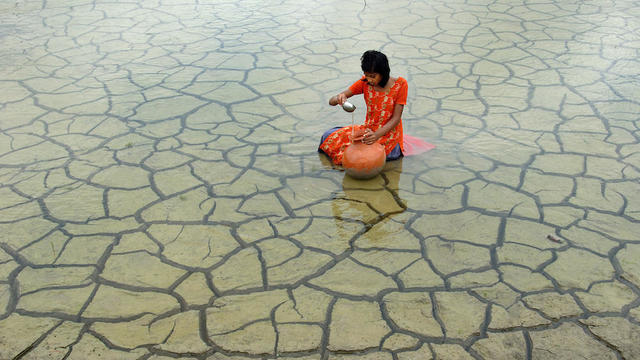
These images paint a startling picture of the environmental changes afoot across the globe as temperatures rise.
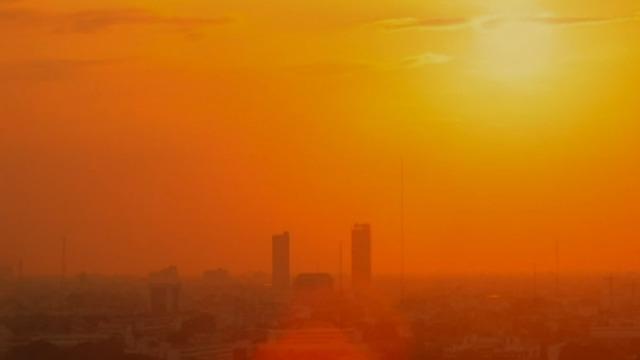
U.N. chief calls failure to address issue head-on nothing short of "criminal."

The browntail moth is a scourge in America's most forested state, where it defoliates trees and causes a rash in humans that resembles poison ivy.

The forecasted increase over the next 30 years could amount to the same rise seen over the last 100 years.

The world's largest money manager is pushing for zero emissions. It's also pledging to continue investing in oil and gas.
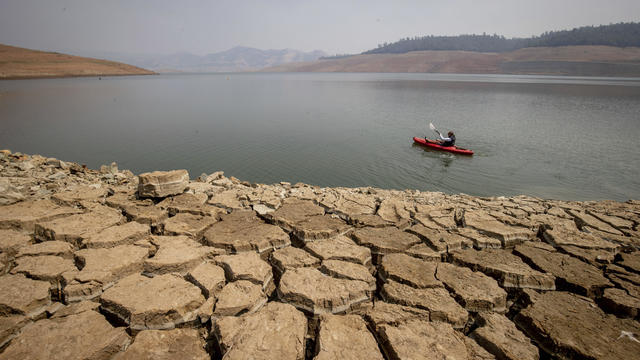
The American West's megadrought deepened so much last year that it is now the driest in at least 1,200 years.

The research found that more than half of the United States' coastal regions are under very high levels of human industrial pressure.
Journalist and author Elizabeth Kolbert joins Major Garrett to discuss her Pulitzer-Prize-winning book "The Sixth Extinction," which tackles climate change and what humans can do to reduce carbon emissions. Pollution and its effects on the food supply and marine ecosystems is also up for discussion on this week’s episode of "The Takeout with Major Garrett."

The breakthrough has put scientists on course to create a stable source of clean power with no greenhouse gas emissions in a matter of decades.

Climbing the highest mountain in the world could become more dangerous due to the lack of ice.
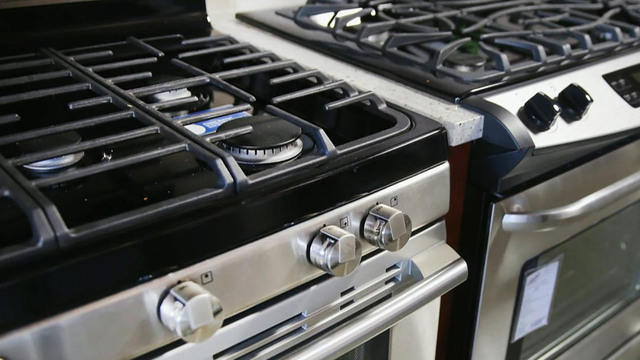
Stanford University researchers recently found that gas stoves are more hazardous for both the climate and for human health than previously believed. CBS News' Tanya Rivero and Errol Barnett discuss these findings with CBS MoneyWatch reporter Irina Ivanova.
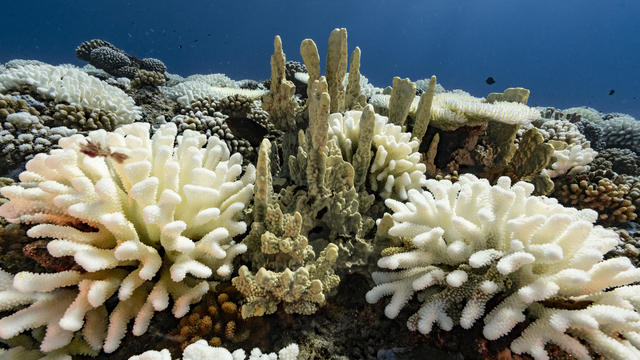
Researchers said that the Paris Climate Agreement's climate change efforts "will not be enough to save most coral reefs."
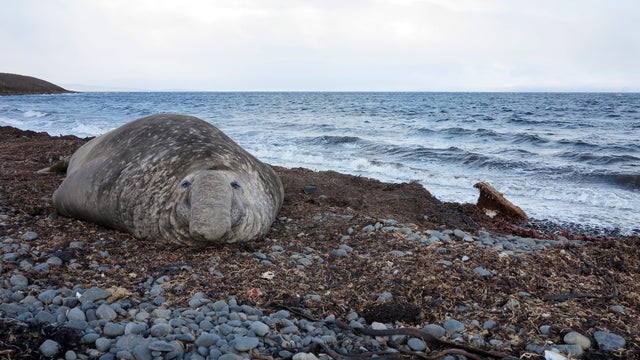
A group of elephant seals near Antarctica are on a mission to gather "critical" data about the ocean.
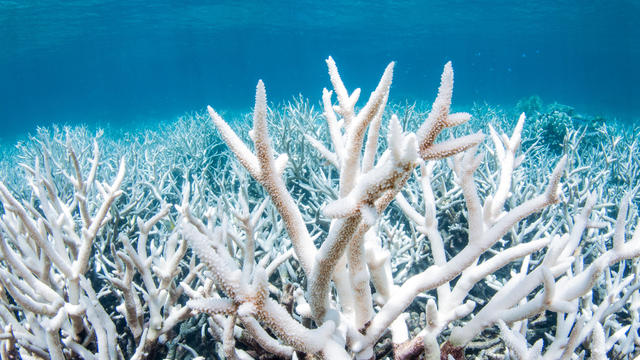
150 years of data, collected since 1870, shows that heat extremes are now widespread in our oceans — and delicate ecosystems may be at risk of collapse.
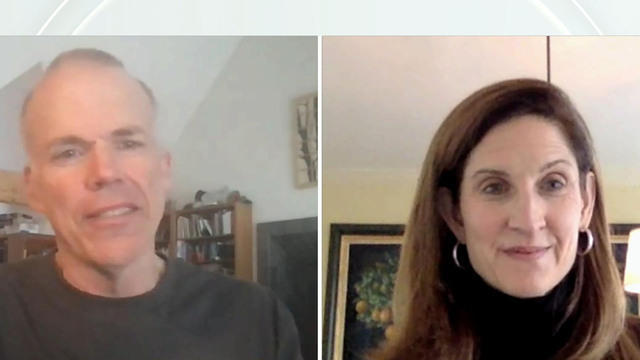
Environmentalist Bill McKibben and his group Third Act, along with Valerie Rockefeller and her group BankFWD, are pushing for people over 60 to cut ties with banks that invest in fossil fuels. They joined CBS News to discuss how the initiative aims to force financial institutions to address the climate change crisis.
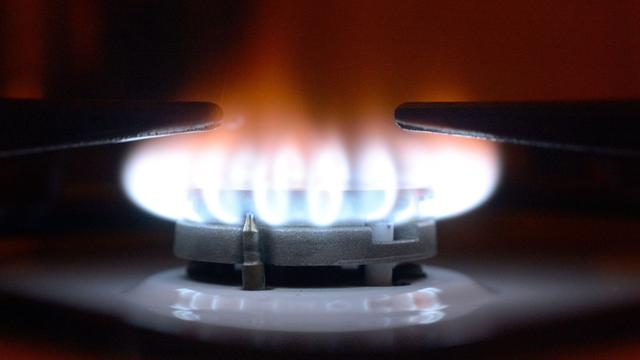
Stoves continuously leak small amounts of methane, emitting as much greenhouse gas as 500,000 cars put out in one year.
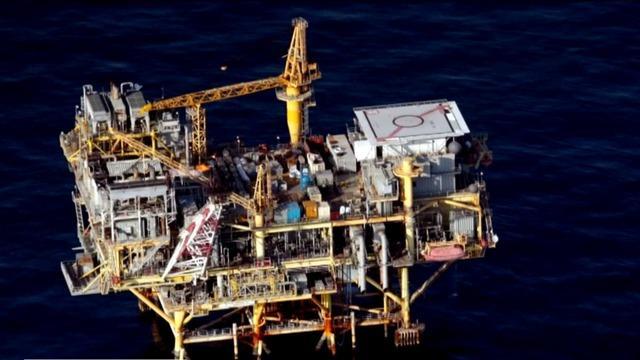
The judge said the Biden administration didn't adequately take into account the effect the drilling would have on planet-warming greenhouse gas emissions, violating a bedrock environmental law.
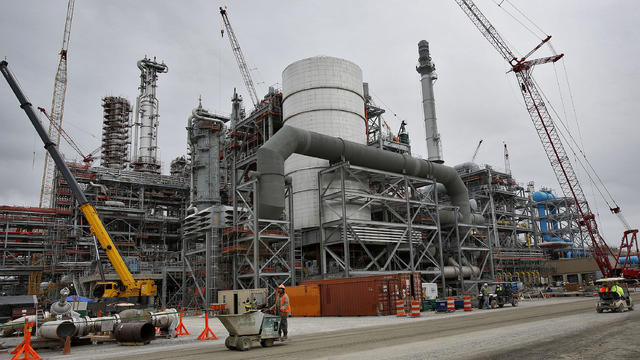
About $12 billion will build technology that can reduce emissions. But some worry it's being hijacked to keep U.S. burning fossil fuels.