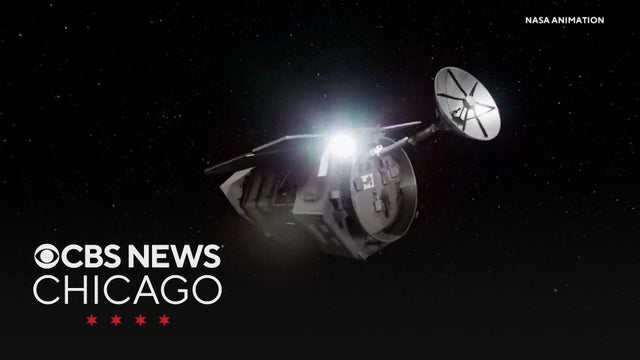
Nancy Grace Roman Space Telescope is now in space
NASA’s next-generation telescope is now on a months-long voyage to an orbit millions of miles from Earth. Mark Strassman reports.
Watch CBS News
NASA’s next-generation telescope is now on a months-long voyage to an orbit millions of miles from Earth. Mark Strassman reports.
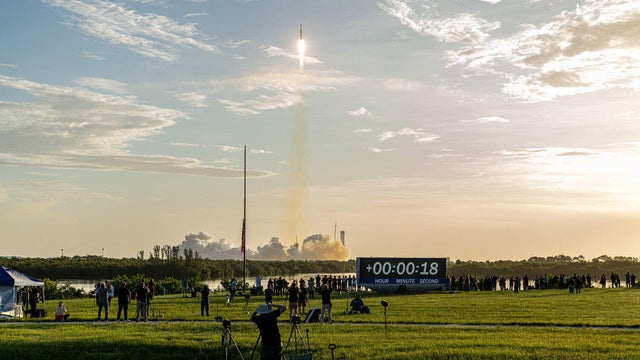
NASA's Roman Space Telescope launched shortly after daybreak from Kennedy Space Center and blazed toward an observation point 1 million miles away.

The Adler Planetarium celebrated the launch Sunday of NASA's $4.3 billion Nancy Grace Roman Space Telescope.
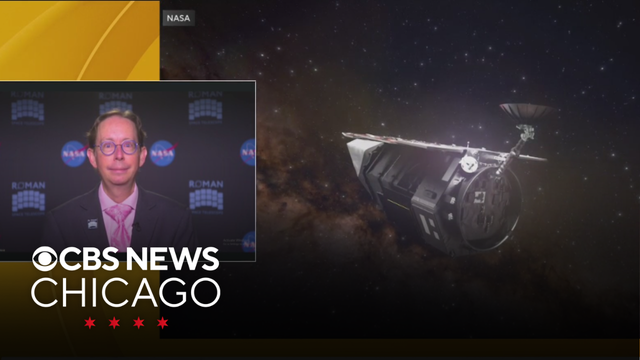
This weekend, NASA will launch its newest space telescope, and it’s a powerhouse with a camera capable of imaging more than a billion galaxies.

The Roman telescope is named after NASA's first chief astronomer. It is equipped with a 300-megapixel infrared camera, with a field of view 100 times larger than Hubble's.

The telescope will help astronomers explore mysterious dark matter and dark energy. Adler Planetarium's Geza Gyuk, senior director of astronomy, and Hunter Miller, public observing educator, were invited by NASA to witness the launch.

The only total solar eclipse of 2026 crossed the Northern Hemisphere Wednesday, with a path of totality across parts of Greenland, Iceland and northern Spain. See photos and video from the best viewing locations.
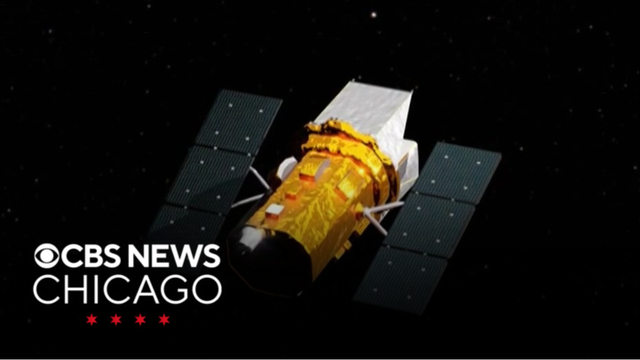
NASA says its Swift Observatory telescope is falling back to Earth faster than expected, due to recent solar activity.
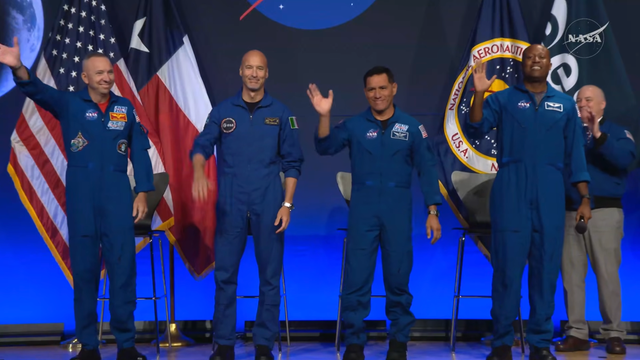
NASA's Artemis III astronauts plan to carry out rendezvous and docking procedures with commercial moon landers being built by SpaceX and Blue Origin.
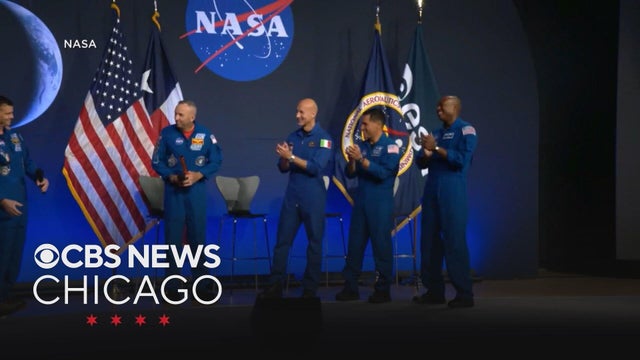
NASA introduced the four astronauts of Artemis III, who will now begin a year or more of training for the next Artemis moon program mission.

NASA has its eye on the Moon, and plans to create a base occupying hundreds of square miles there.
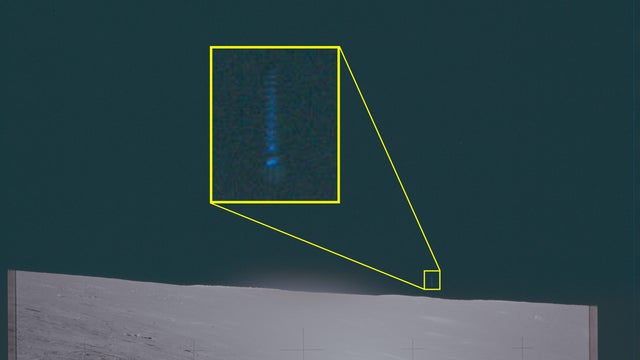
NASA's Apollo 17 crew reported seeing three mysterious dots and sparks that resembled fireworks, according to new files released by the Pentagon.

When Artemis II took off from the Kennedy Space Center in Florida earlier this month, it was a massive undertaking that wouldn't have been possible without a teeny-tiny part.
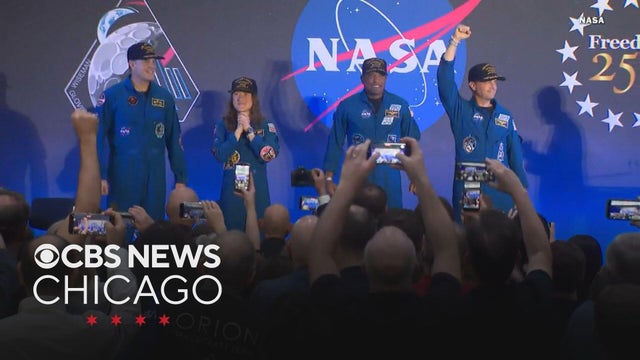
With NASA’s lunar comeback a galactic-sized smash thanks to Artemis II, the world is wondering: What’s next? And how do you top that? Now that the first lunar travelers in more than a half-century are safely back in Houston with their families, NASA has Artemis III in its sights.
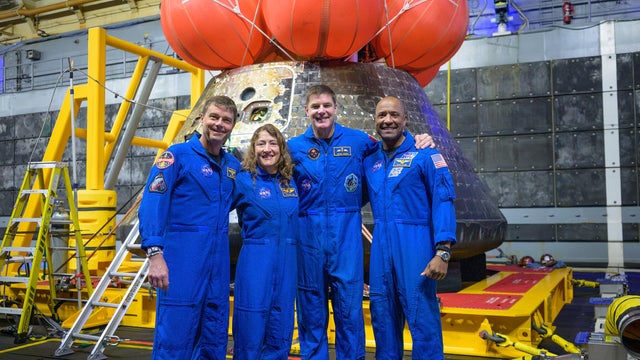
The Artemis II astronauts flew back to the Johnson Space Center in Houston Saturday to cheers and applause from family members and hundreds of NASA workers.

NASA's Artemis II astronauts returned to Earth with a splashdown landing in the Pacific Ocean after making a high-speed reentry through the atmosphere.

Apollo II will make splashdown just after 7 p.m. Central Time Friday, after completing a historic and inspiring mission to the moon.
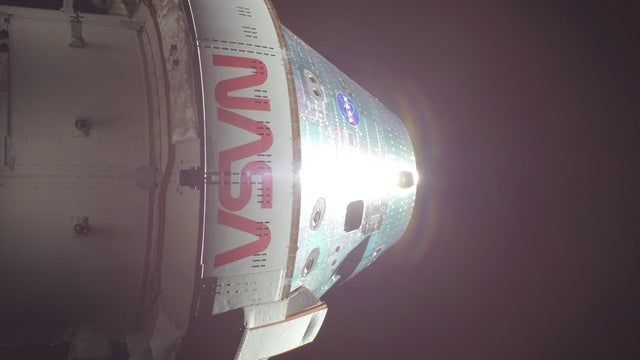
Despite problems during the unpiloted Artemis I reentry, the Artemis II crew is confident their heat shield will protect them during a fiery descent to Earth.

While the mission is out of this world, the food? Not exactly.
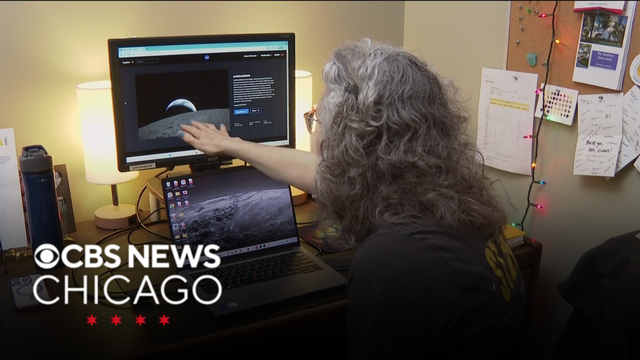
At the Adler, the moon is always in sight, but it's never felt closer than it does right now.
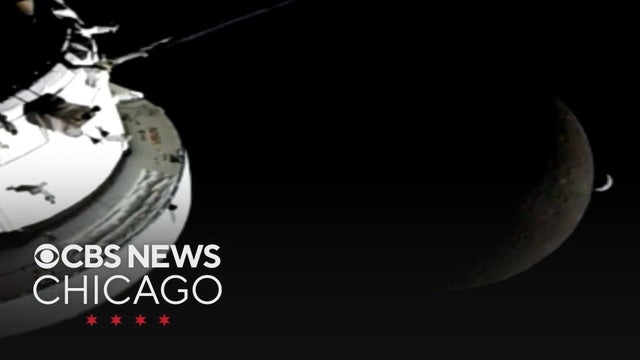
NASA released photos after the Artemis II crew did a flyby earlier Tuesday morning.
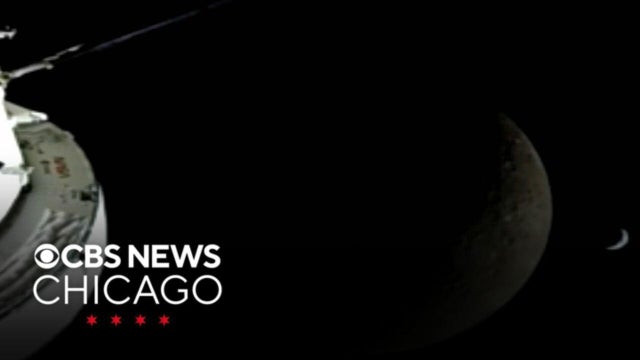
The four-person crew aboard Artemis II documented parts of the moon never before seen by the human eye ... Surpassing the Apollo 13 distance record of 248,000 miles from Earth.

Artemis II astronauts made history Monday as they passed the Apollo 13 distance record of 248,655 miles from Earth, which was set in 1970. Now they are doing their lunar flyby.
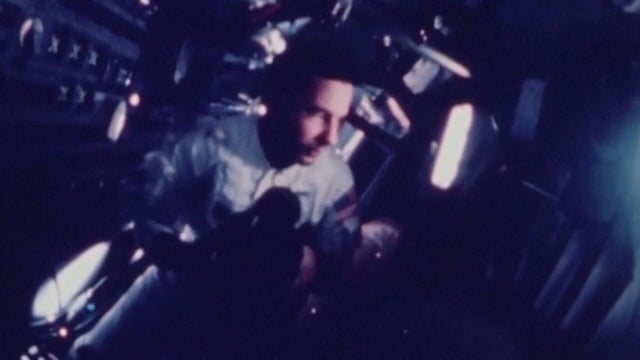
Artemis II astronauts got a special wake-up message from legendary astronaut Jim Lovell, the late commander for the Apollo 13 mission, which he recorded before he died at age 97 last year.
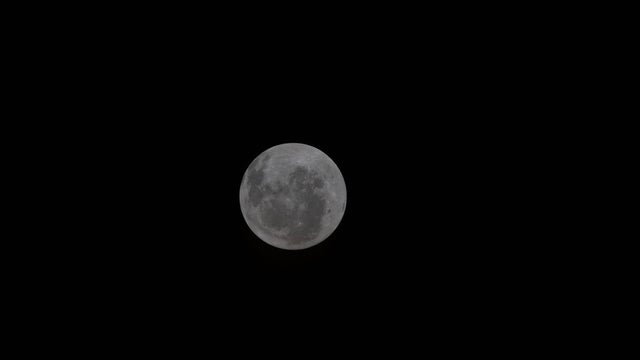
The crew of NASA's Artemis II mission captured a new image of the far side of the moon, which the agency released Sunday.