U.S., Iran trade more strikes after Trump says ceasefire is "over"
The U.S. began a second night of strikes Wednesday and Iran responded in kind after President Trump declared earlier in the day that the ceasefire was "over."
Watch CBS News
The U.S. began a second night of strikes Wednesday and Iran responded in kind after President Trump declared earlier in the day that the ceasefire was "over."
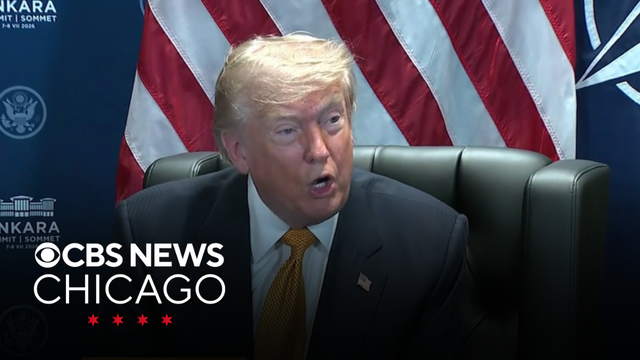
President Donald Trump says the ceasefire between the U.S. and Iran is over.
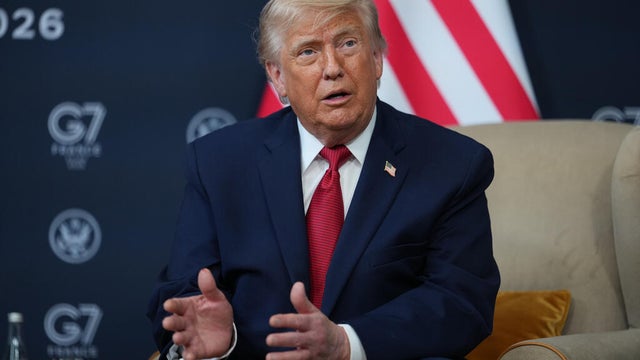
The agreement, as read by senior U.S. officials, allows Iran to immediately begin exporting oil and petroleum products.
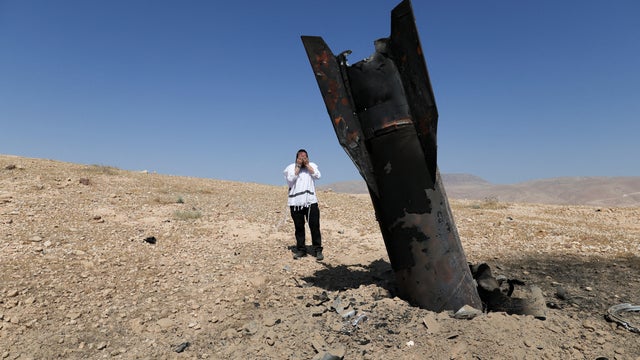
Iran and Israel declare a halt to fighting as President Trump says both are seeking an "immediate ceasefire" after a major escalation in the 101-day war.
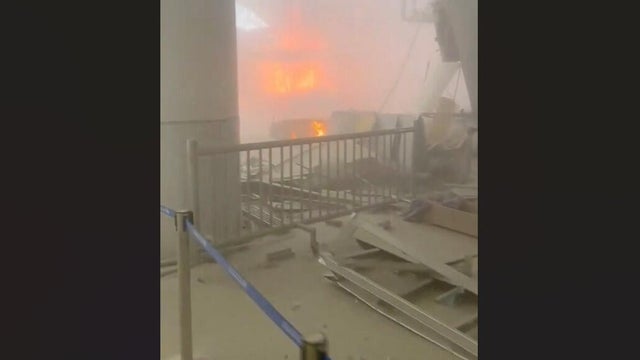
Israel and Lebanon agreed Wednesday to renew their fragile ceasefire and create a number of "pilot" security zones inside Lebanon where Hezbollah would be banned.
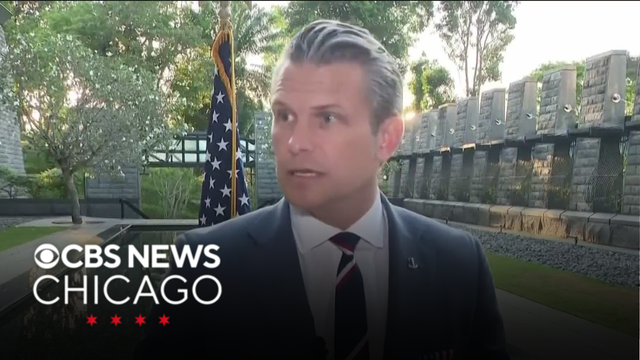
Defense Secretary Pete Hegseth said Saturday that the U.S. is still seeking a deal with the Iranian regime, which would make certain Tehran does not possess or pursue a nuclear weapon.
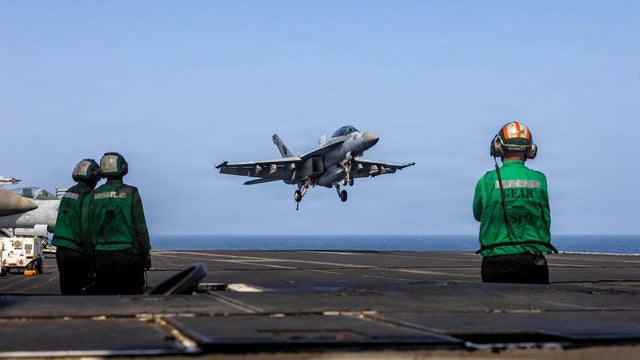
The vice president says the U.S. and Iran are "very close" to a deal, but are "not there yet." Meanwhile, the U.S. struck Iran, which retaliated against a U.S. base.
President Trump says he scrapped a planned attack on Iran at the request of Gulf allies as "serious negotiations" on a peace deal are underway.
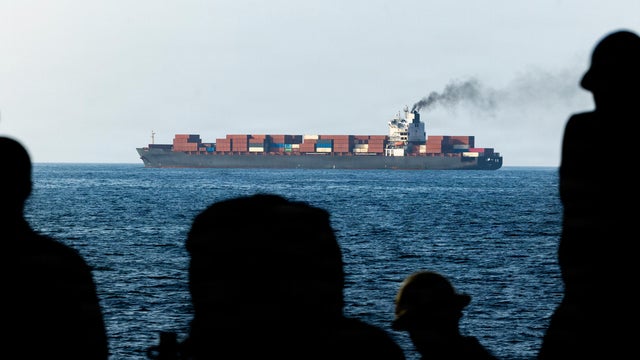
Iran renews attacks in the Strait of Hormuz after Trump says he's extending a ceasefire indefinitely, as thousands more U.S. forces head for the region.
President Trump extended the ceasefire with Iran. He said he is giving Iranian officials more time to "come up with a unified proposal."
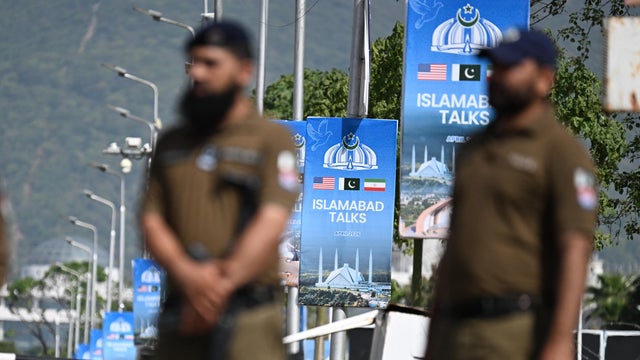
With a two-week ceasefire set to expire and Iran balking at the resumption of peace talks, President Trump said he would be extending the deadline to allow for Iran to "come up with a unified proposal."
On Tuesday afternoon, President Trump took to social media to announce that the U.S. will extend its ceasefire with Iran until discussions are concluded "one way or the other."
The president says he made the move at Pakistan’s request, but as CBS News Natalie Brand reports, the U.S. military will continue its blockade of Iranian ports.
Tension is building over whether the U.S. and Iran will hold a second round of peace talks in Pakistan. Bradley Blackburn reports.
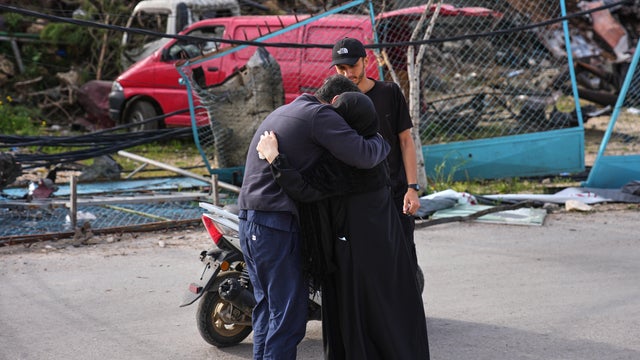
The leaders of Lebanon and Israel agreed to start a 10-day truce at 5 p.m. Eastern Time Thursday.
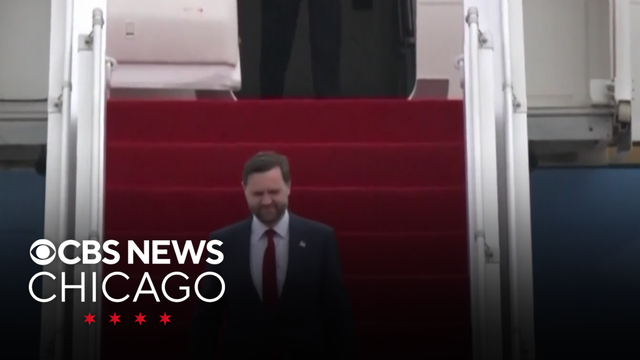
Vice President JD Vance arrived in the Pakistani capital of Islamabad early Saturday for high-stakes talks amid a fragile two-week

The U.S. and Iran are set to begin negotiations as the two-week ceasefire remains on shaky ground.
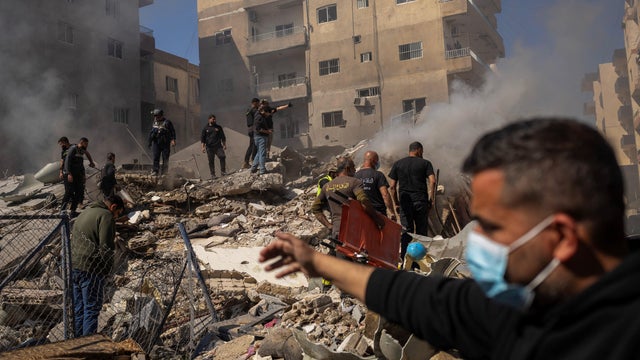
Iran says Israel is violating the ceasefire deal President Trump announced, and Tehran appears to still have control over shipping in the Strait of Hormuz.
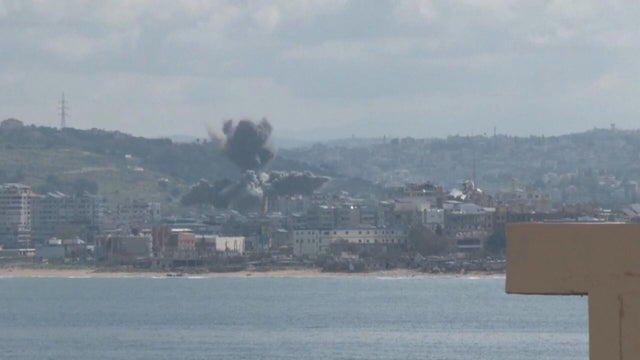
The White House said what happened in Lebanon wasn't part of the agreement.
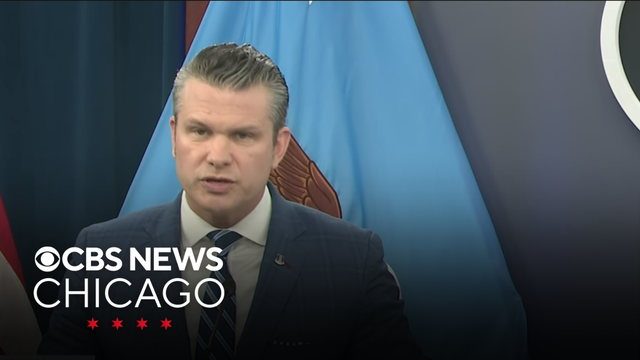
Defense Secretary Pete Hegseth addressed the ceasefire and said, "We'll be hanging around." He said Iran knows "this agreement means that they will never, ever possess a nuclear weapon."
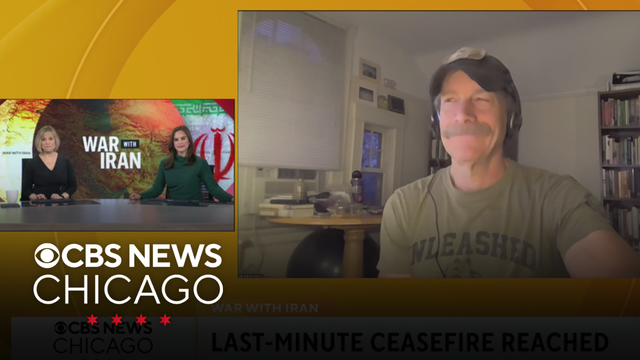
Professor William Reno, chair of the Department of Political Science at Northwestern University, joins CBS News Chicago to discuss the latest on the ceasefire agreement between the U.S. and Iran.
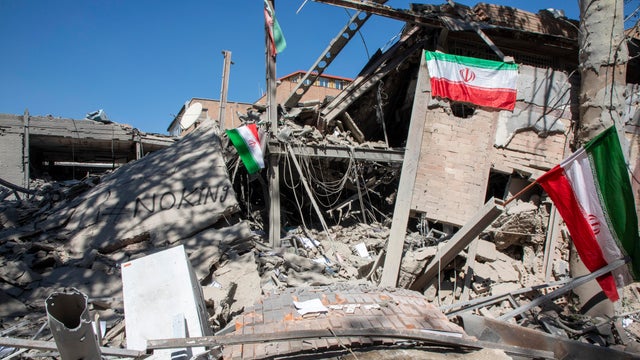
President Trump announced that the U.S. and Iran had agreed to a two-week ceasefire that was contingent on the reopening of the Strait of Hormuz.
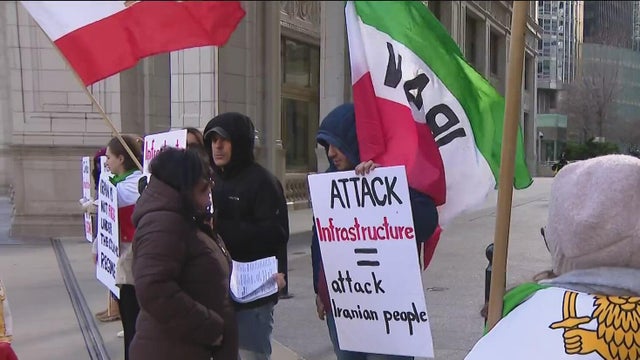
They worry that any escalation could put civilian infrastructure and innocent lives at risk.
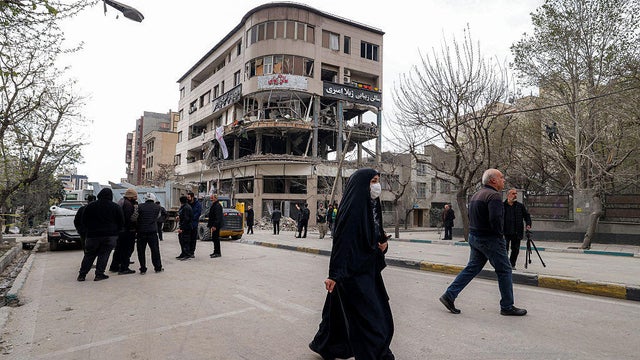
It's unclear if the talks would be direct or indirect, and Washington and Tehran aren't commenting. This, as Iran warns the U.S. not to start ground operations.
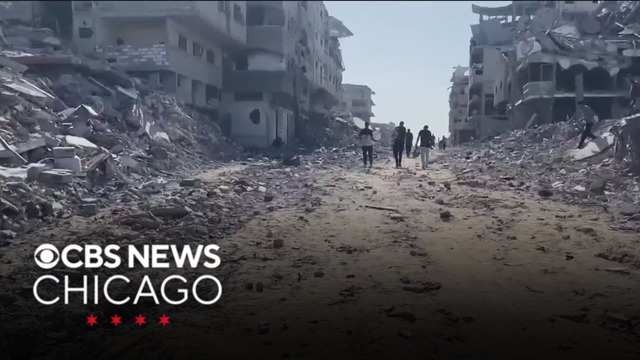
The focus is now shifting to disarming Hamas, rebuilding the war-ravaged territory, and creating a new Palestinian committee to run Gaza day-to-day.