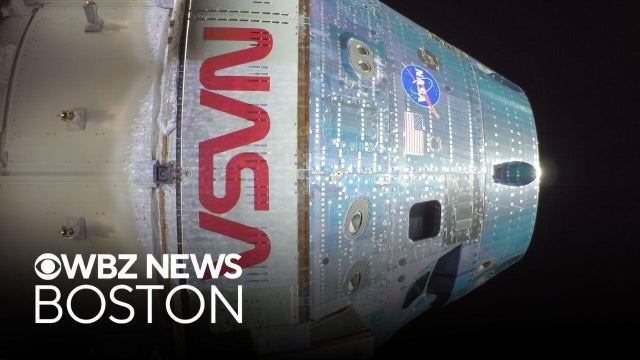
The risks Artemis II faces while re-entering Earth's atmosphere
Artemis II is expected to splashdown in the Pacific Ocean just after 8 p.m. on Friday.
Watch CBS News
Artemis II is expected to splashdown in the Pacific Ocean just after 8 p.m. on Friday.
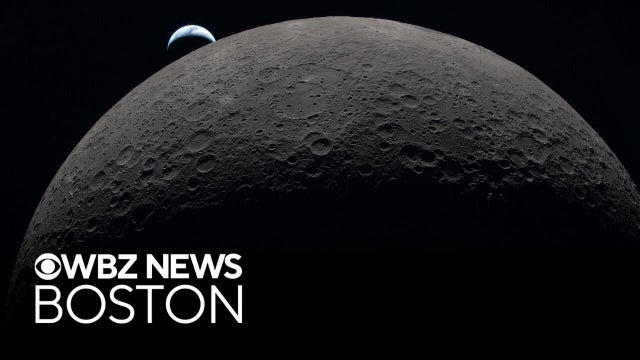
NASA released the first photos of the far side of the moon, taken by the Artemis II astronauts.
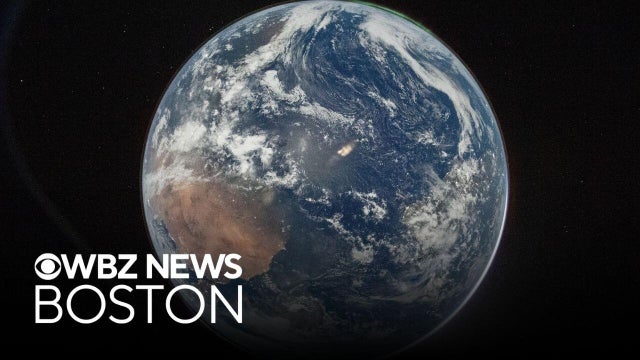
NASA released some of the first images taken by the Artemis II crew of Earth.
The Artemis II crew said they had forgotten "how beautiful it is to look down on Earth."
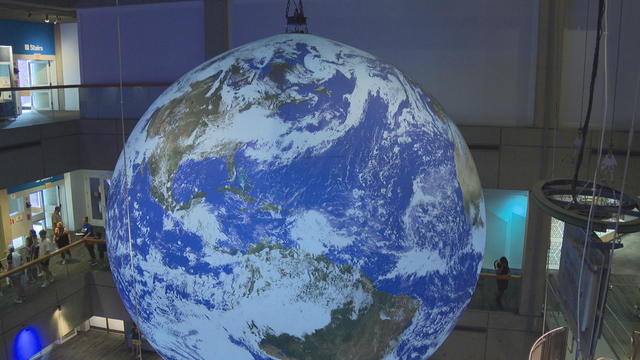
A brand-new exhibit opened up on Wednesday at the Museum of Science about our changing climate and the solutions to solve it.
Blue holes are considered an "oasis" for marine life — but the Taam Ja' Blue Hole off the coast of Mexico remains largely mysterious.
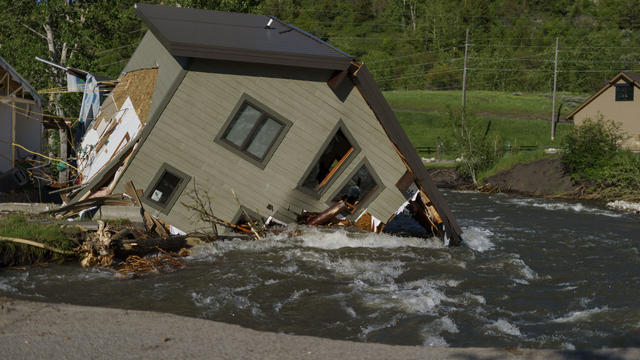
People who have experienced extreme weather are especially likely to say climate change needs to be addressed right away.
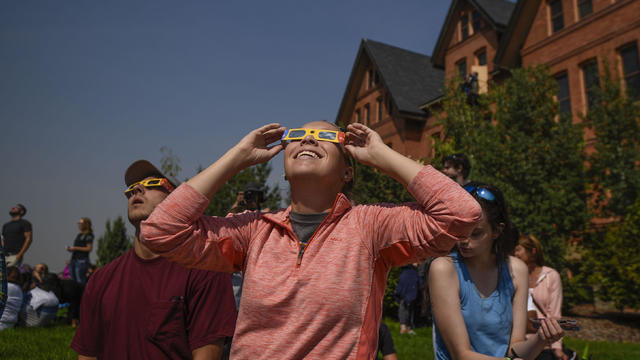
How often do total solar eclipses, like the one on April 8, occur? It was the first in the U.S. since 2017, and the nation won't get another until 2044.
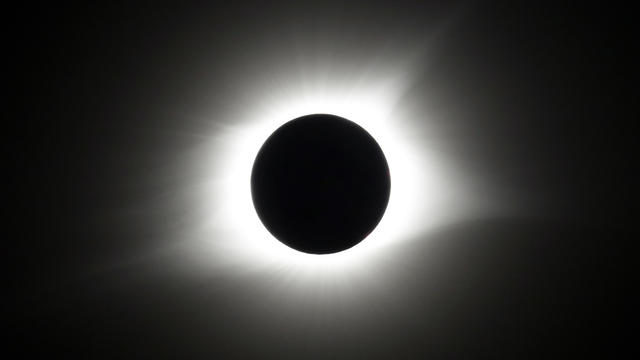
About 31.6 million people live in the path of today's total solar eclipse across the U.S., and millions more will see a partial eclipse. Here's how and where to see it.
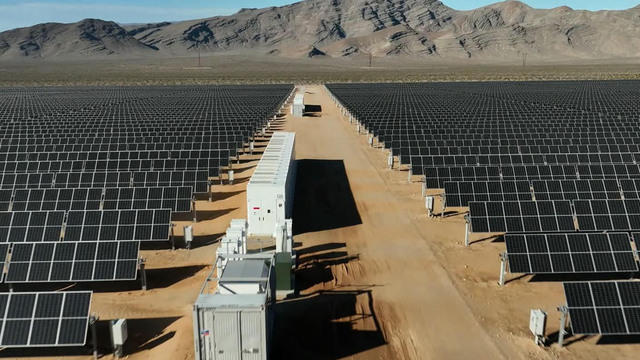
A vast solar farm with over 621,000 panels shimmer like a mirage but with the capability to power close to 60,000 residential customers — or one very big stadium.
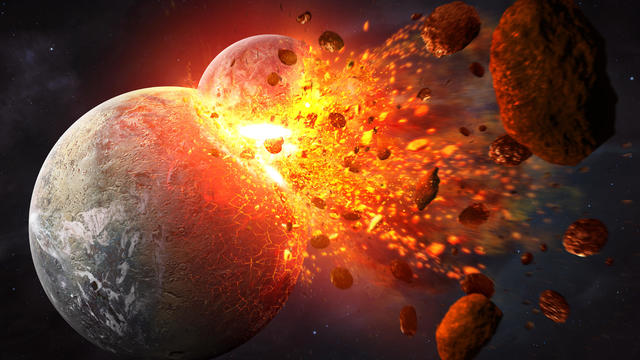
A new study says the collision with a proto-planet called Theia 4.5 billion years ago left remnants deep inside Earth — and also created the moon.
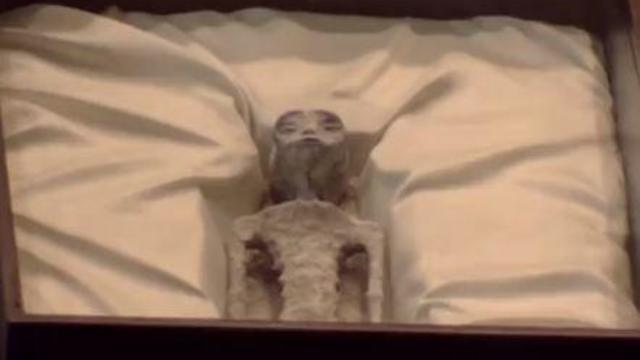
Jamie Maussan, a longtime UFO researcher, was joined in Mexico's Congress by a former U.S. Navy pilot, who later dismissed Maussan's "unsubstantiated stunt."
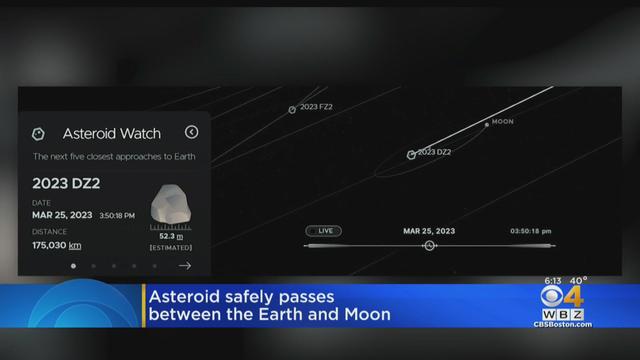
Despite being a close call in the space world, the asteroid was over 100,000 miles away from Earth.